
Ever stood in front of the open fridge at 6 PM, wondering whether rice still counts? Most people managing type 2 diabetes or prediabetes don’t need fancy recipes. They need a week of ordinary meals that keep blood sugar steadier, plus a grocery list that makes the weekend shop quick.
- Your 7-Day Diabetic Friendly Meal Plan and Grocery List
- What makes a meal plan diabetic friendly?
- How do you use this diabetic friendly meal plan?
- Can a diabetic friendly meal plan help with weight loss?
- How can you adjust the plan for budget, diet or appetite?
- Common mistakes with a diabetic friendly meal plan
- Who should check with a doctor or dietitian first?
- What does the research say about diabetic friendly eating?
- FAQ
- The Bottom Line
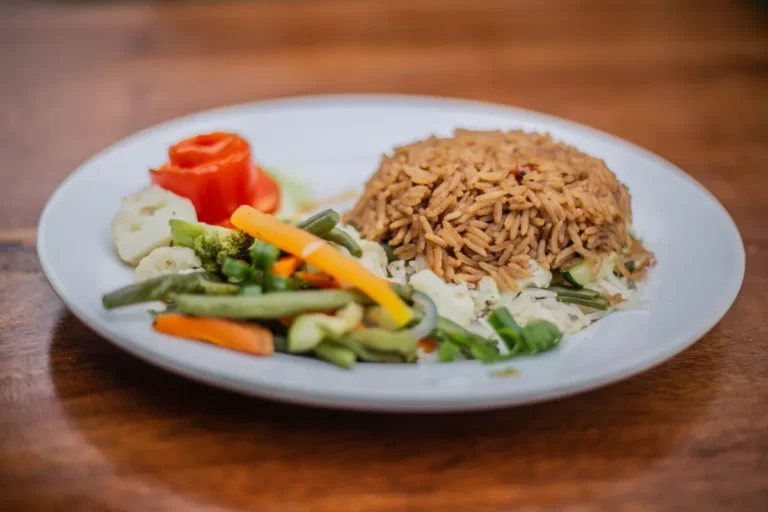
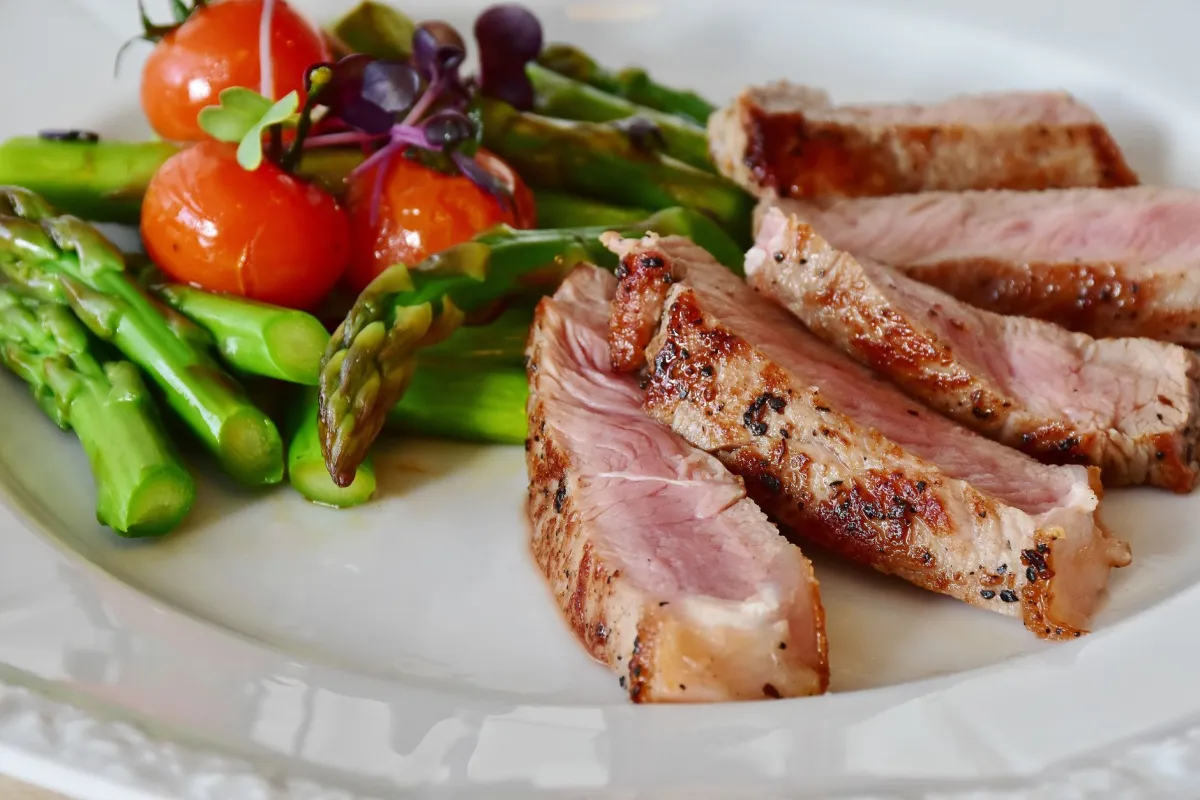
Every meal follows the same pattern: plenty of non-starchy vegetables (leafy greens, broccoli, peppers), a palm-sized protein, a modest scoop of fiber-rich carbs and a little healthy fat. The table names each meal, so you can cook it your way.
Your 7-Day Diabetic Friendly Meal Plan and Grocery List
Build each plate the same way: half non-starchy vegetables, a quarter lean protein, and a quarter whole grains, beans or starchy vegetables. Drink water, unsweetened tea or coffee with meals.
Week 1 meal plan
| Day | Breakfast | Lunch | Dinner | Snack |
|---|---|---|---|---|
| Day 1 | Veggie egg scramble, whole-wheat toast | Chicken salad with chickpeas, olive oil | Baked salmon, broccoli, small sweet potato | Plain Greek yogurt, berries |
| Day 2 | Oatmeal with walnuts, cinnamon | Turkey and hummus whole-wheat wrap | Chicken veggie stir-fry, brown rice | Apple slices, peanut butter |
| Day 3 | Greek yogurt, berries, chia seeds | Leftover stir-fry over greens | Turkey and bean chili | Carrots and hummus |
| Day 4 | Eggs, sautéed spinach, whole-wheat toast | Lentil soup, side salad | Sheet-pan chicken, Brussels sprouts | Small handful of almonds |
| Day 5 | Cottage cheese, peaches, walnuts | Tuna salad lettuce wraps, small apple | Shrimp tacos, corn tortillas, slaw | String cheese, cherry tomatoes |
| Day 6 | Veggie omelet, half English muffin | Leftover chili, cucumber slices | Lean burger in lettuce, roasted veggies | Steamed edamame |
| Day 7 | Overnight oats, chia, berries | Canned salmon and quinoa salad | Roast chicken, green beans, small potatoes | Pear with a few walnuts |
Portion guide (approx.)
- Protein: about 3 to 4 ounces (85 to 115 g), roughly your palm
- Grains or starches: about 1/2 to 2/3 cup cooked, a quarter plate
- Non-starchy vegetables: 1 to 2 cups, half the plate
- Fruit: 1 small piece or about 1 cup berries
- Fats: about 1 tablespoon oil or nut butter, or a small handful of nuts
- Snacks: optional, skip them if you aren’t hungry
Grocery list: proteins and dairy
| Item | Approx. amount | Used on |
|---|---|---|
| Eggs | 1 dozen | Days 1, 4, 6 |
| Chicken breasts or thighs | About 3 lb (1.4 kg) | Days 1, 2, 4, 7 |
| Salmon fillets | About 1 lb | Day 1 |
| Canned salmon | 1 can | Day 7 |
| Lean ground turkey | 1 lb | Day 3 |
| Low-sodium deli turkey | 8 oz | Day 2 |
| Canned tuna in water | 2 cans | Day 5 |
| Frozen shrimp | 1 lb | Day 5 |
| Lean ground beef | 1 lb | Day 6 |
| Plain Greek yogurt | 32 oz tub | Days 1, 3 |
| Cottage cheese | 16 oz | Day 5 |
| String cheese | 1 small pack | Day 5 |
| Unsweetened milk or soy milk | 1/2 gallon | Day 7, coffee |
Grocery list: vegetables
| Item | Approx. amount | Used on |
|---|---|---|
| Spinach | 1 large bag | Days 1, 4 |
| Salad greens | 2 bags | Days 1, 3, 4, 7 |
| Broccoli | 2 lb | Days 1, 2 |
| Bell peppers | 4 | Days 1, 2, 3, 6 |
| Onions | 2 | Days 3, 6 |
| Carrots | 1 lb bag | Days 2, 3 |
| Brussels sprouts | 1 lb | Day 4 |
| Cherry tomatoes | 1 pint | Days 1, 5 |
| Cucumbers | 2 | Days 6, 7 |
| Coleslaw mix | 1 bag | Day 5 |
| Green beans | 1 lb | Day 7 |
| Romaine or butter lettuce | 1 head | Days 5, 6 |
Grocery list: fruit
| Item | Approx. amount | Used on |
|---|---|---|
| Berries, fresh or frozen | 2 pints or bags | Days 1, 3, 7 |
| Small apples | 3 | Days 2, 5 |
| Unsweetened frozen peaches | 1 bag | Day 5 |
| Pears | 2 | Day 7 |
Grocery list: grains and starches
| Item | Approx. amount | Used on |
|---|---|---|
| Rolled or steel-cut oats | 1 container | Days 2, 7 |
| Whole-wheat bread | 1 loaf | Days 1, 4 |
| Whole-wheat tortillas | 1 pack | Day 2 |
| Whole-wheat English muffins | 1 pack | Day 6 |
| Brown rice | 1 small bag | Day 2 |
| Quinoa | 1 small bag | Day 7 |
| Corn tortillas | 1 pack | Day 5 |
| Sweet potatoes | 2 | Day 1 |
| Small potatoes | 1 lb | Day 7 |
Grocery list: pantry and freezer
| Item | Approx. amount | Used on |
|---|---|---|
| Canned chickpeas | 1 can | Day 1 |
| Canned kidney or black beans | 2 cans | Day 3 |
| Dry lentils | 1 bag | Day 4 |
| Canned diced tomatoes | 2 cans | Days 3, 4 |
| Hummus | 1 tub | Days 2, 3 |
| Natural peanut butter | 1 jar | Day 2 |
| Almonds and walnuts | 1 small bag each | Days 2, 4, 5, 7 |
| Chia seeds | 1 small bag | Days 3, 7 |
| Frozen edamame | 1 bag | Day 6 |
| Extra-virgin olive oil | 1 bottle | Daily |
| Cinnamon, chili powder, garlic | As needed | Seasoning |
Amounts are rough estimates for one to two adults. Cook the brown rice, quinoa and some chicken on prep day, and the leftovers will cover the Day 3 and Day 6 lunches.
Want more? Browse all our free printables: meal plans, food lists, trackers and challenges, each with a PDF.
What makes a meal plan diabetic friendly?
A diabetic friendly meal plan spreads carbohydrates across the day and pairs them with protein, fiber and healthy fat, so blood sugar rises more gently after meals. Carbohydrates (the starches and sugars in bread, rice, fruit and sweets) affect blood sugar more than protein or fat does. That’s why this plan keeps them on the table instead of banning them.
This layout borrows from the American Diabetes Association’s plate method. The Mayo Clinic describes a diabetes diet in similar terms: healthy foods in moderate amounts, eaten at fairly regular times. Fiber, the part of plant foods your body can’t fully digest, slows how fast sugar reaches your bloodstream. The Dietary Guidelines for Americans suggest roughly 22 to 34 grams a day for adults, depending on age and sex, and many people fall short. Want more swaps beyond this week? Our diabetic friendly food chart lists 42 everyday options.
How do you use this diabetic friendly meal plan?
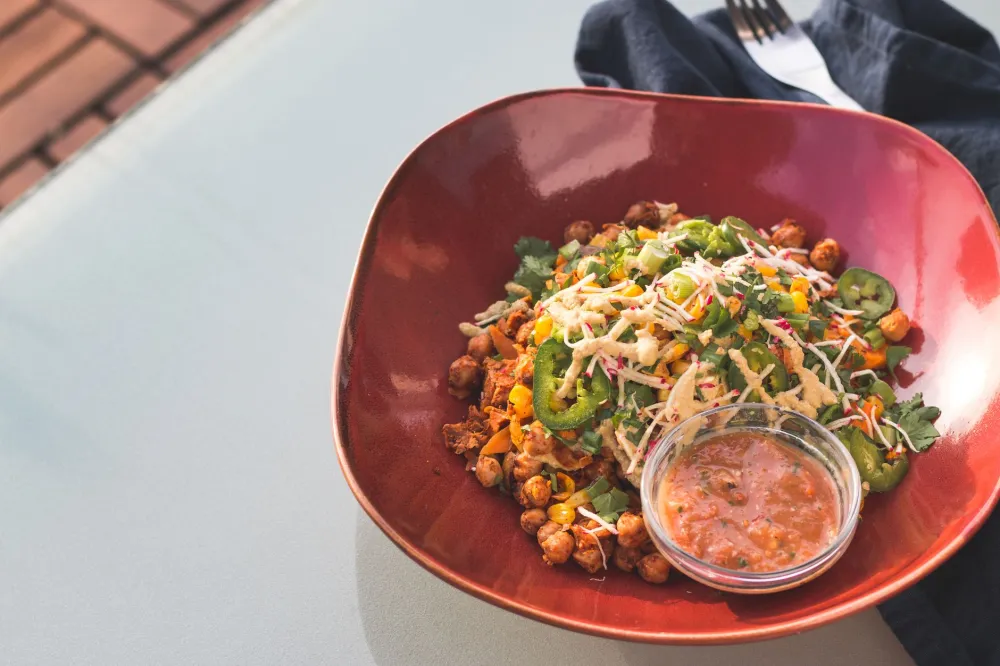
Print it, shop from the grocery tables once, prep a few basics, then follow the days in whatever order suits your week. Think of the plan as a template you repeat and tweak, not a test you pass or fail.
- Pick a prep day: Spend about an hour cooking brown rice, quinoa, chicken and chopped vegetables. A smaller midweek top-up keeps things fresh.
- Swap days freely: Had a long Tuesday? Move a leftover lunch up. Each day is balanced on its own.
- Keep meal times fairly regular: Steady timing may help prevent big blood sugar swings, especially if you take diabetes medicine.
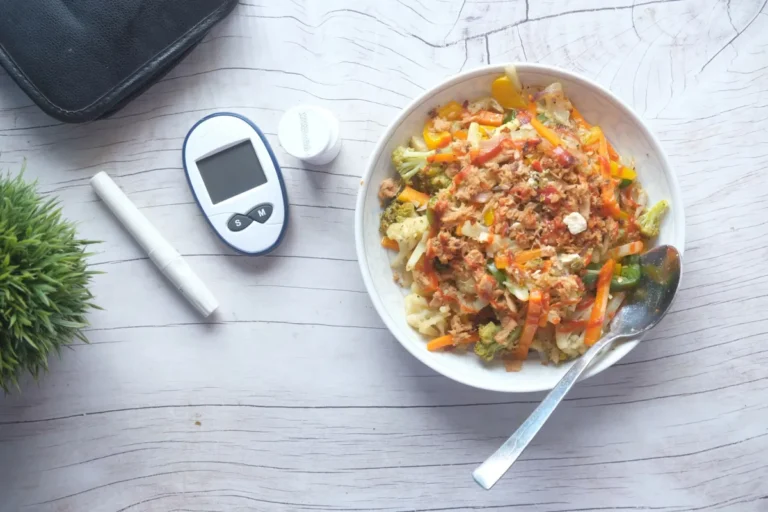
- Check your response if you test: If your care team has you use a meter or a continuous glucose monitor (CGM, a small sensor that reads glucose, a type of sugar, around the clock), checking before and about two hours after a new meal shows how your body handles it.
- Repeat what works: After week one, keep your favorite days and rotate in two new meals.
What to expect in the first two weeks
The first few days usually feel like more work than eating on autopilot. You’ll be reading labels, measuring a scoop of rice and discovering how big a restaurant portion really is. That’s normal.
By the second week, many people find the routine speeds up, and the 3 PM slump after a heavy, starchy lunch shows up less often. Changes in your A1C, a blood test that reflects your average blood sugar over roughly the past three months, take longer to appear. Judge the plan by how you feel and by your daily numbers first.
Can a diabetic friendly meal plan help with weight loss?
It can support gradual weight loss for many people. Vegetable-heavy plates with protein and fiber tend to fill you up for fewer calories. Aim for steady and modest, the kind of pace you can keep up for months.
Some of the strongest evidence comes from the Diabetes Prevention Program, a large U.S. trial. According to the CDC, people with prediabetes who lost about 5 to 7% of their body weight through healthier eating and roughly 150 minutes of weekly activity cut their risk of developing type 2 diabetes by about 58%. For a 200-pound person, that’s about 10 to 14 pounds.
For people who already have type 2 diabetes, losing around 5% of body weight is associated with better blood sugar control, and larger losses may help more. Want to build weight loss into this plan? Try these gentle tweaks:
- Load the vegetable half: Add a second cup of greens or roasted veggies before adding more starch.
- Keep protein at every meal: It helps you stay full and supports muscle.
- Treat snacks as optional: Skip them on days you aren’t hungry.
- Move after meals: A 10- to 15-minute walk is easy to fit in, and our walking plan for weight loss PDF builds up slowly.
Skip the extreme versions. Very low-calorie diets can trigger low blood sugar if you take certain medicines, and they rarely last. Our look at why crash diets backfire explains the rebound. If your doctor has set a specific calorie target, a structured option like our 1200 calorie diabetic diet PDF is meant to be used with that guidance, not on your own.

How can you adjust the plan for budget, diet or appetite?
Most adjustments come down to swapping one food for a similar one in the same part of the plate. Any diabetic friendly meal plan should bend to your life. As long as you keep the vegetable half and the protein, this one stays balanced no matter what you change.
| Situation | Easy swap | Why it helps |
|---|---|---|
| Tight budget | Frozen veggies, canned beans, eggs | Similar nutrients, lower cost |
| Vegetarian | Tofu, lentils or tempeh for meat | Protein plus extra fiber |
| Bigger appetite | More vegetables, slightly more protein | Fuller without extra starch |
| Smaller appetite | Drop the snack, smaller starch | Avoids eating past hunger |
| Cooking for family | Serve starch on the side | Everyone portions their own plate |
| Short on time | Rotisserie chicken, bagged salad | Less cooking, same balance |
Vegetarians should keep an eye on carbs, since beans and lentils count as both protein and carbohydrate. A half cup of cooked lentils carries around 20 grams of carbs (approximate, based on USDA data), so let them fill the starch quarter rather than stacking rice on top.
Common mistakes with a diabetic friendly meal plan
The most common slip-ups are drinking your carbs, trusting “sugar-free” labels too much and skipping meals, then overeating later. Each one is easy to fix once you spot it.
- Skipping breakfast, then a huge lunch: One very large, carb-heavy meal can push blood sugar higher than the same food spread out.
- Drinking sugar: Juice, sweet tea and big coffee-shop drinks raise blood sugar fast. Our guide to cutting added sugar without feeling deprived has easy swaps.
- Trusting sugar-free sweets: Sugar-free cookies still contain starch, and sugar alcohols (sweeteners like erythritol) can upset some stomachs.
- Fearing all fruit: Whole fruit brings fiber and water, and one serving at a time usually fits.
- Letting healthy portions creep: Nuts, olive oil and granola are nutritious but dense in calories.
Here’s the thing: none of these slip-ups ruin your progress. They just add friction. Fix one at a time, starting with drinks, since that swap is usually the easiest win.

Who should check with a doctor or dietitian first?
If you take insulin or another blood-sugar-lowering medicine, talk to your doctor before you start this plan or change how much you eat. Cutting carbs while your dose stays the same can lead to hypoglycemia, or low blood sugar, which may make you shaky, sweaty, confused or dizzy.
It’s also wise to get personal guidance if any of these apply to you:
- Type 1 diabetes: Carb amounts need to match insulin, so a dietitian should tailor portions.
- Kidney disease: Your protein, potassium and sodium needs may be different.
- Pregnancy or gestational diabetes: Needs change quickly, so follow your care team’s plan.
- A history of disordered eating: Structured plans can be triggering, and professional support helps.
- Losing weight without trying: This needs a checkup, not a new menu.
Registered dietitians and diabetes care and education specialists can personalize this plan. Medicare and many private insurance plans may cover nutrition counseling for diabetes, so ask your doctor’s office what’s covered. For background on the condition itself, see our guide to type 2 diabetes symptoms, causes and treatment.
Some symptoms need a doctor, not a meal plan. Extreme thirst, frequent urination, blurry vision or unexplained weight loss deserve a prompt medical evaluation. Chest pain, trouble breathing, a sudden severe headache, or numbness or weakness means getting emergency care right away.
What does the research say about diabetic friendly eating?
Research suggests there isn’t one best diet for diabetes. Several eating patterns, including Mediterranean-style, lower-carb and plate-method approaches, have been linked to better blood sugar control. The one you can stick with probably matters most.
Here’s what’s fairly well supported: diets rich in vegetables, beans, whole grains and fiber are associated in large observational studies (research that tracks people’s habits over time) with a lower risk of type 2 diabetes and better control in people who have it. Randomized trials, where people are assigned to different approaches, also show that modest weight loss tends to improve blood sugar.
The promising but more mixed category includes lower-carb diets, which have lowered A1C in a number of short-term trials. Over longer periods, that advantage often narrows. Small studies also suggest that even a short walk after eating may soften the post-meal blood sugar rise.
Not well supported: supplements such as cinnamon capsules or bitter melon. The evidence is limited or inconsistent, supplements aren’t tightly regulated by the FDA, and some may interact with diabetes medicines and push blood sugar too low. Ask your pharmacist before adding any of them.
FAQ
The Bottom Line
A diabetic friendly meal plan works best when it’s a little boring in a good way: half a plate of vegetables, a palm of protein, a modest scoop of fiber-rich carbs and meals at fairly regular times. Print the 7-day plan, shop from the list once and repeat the days you enjoy. If weight loss is a goal, aim for slow, modest progress and add a short walk after meals. And if you take insulin or other diabetes medicines, check with your doctor before you change how you eat.
This article is for informational purposes only and is not a substitute for professional medical advice, diagnosis, or treatment. Always consult a qualified healthcare provider about your specific situation. If you experience severe or sudden symptoms, seek medical care immediately.

Weight Loss and Nutrition
Browse every related article on this topic in one place.