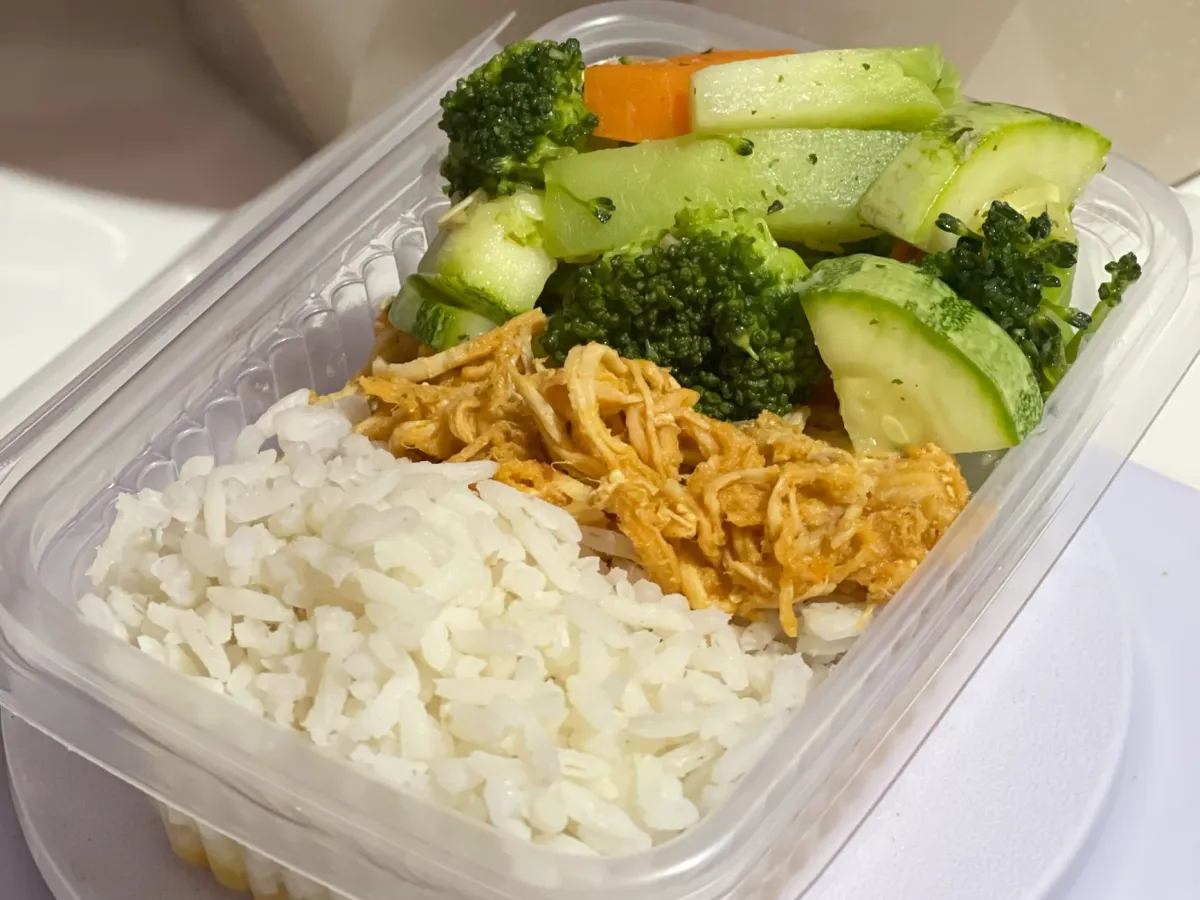
Wednesday night, the chicken is gone, your gym bag is still by the door, and dinner is a bowl of cereal eaten standing at the counter. Sound familiar? Building muscle takes steady protein and enough food, day after day, and that’s where most good intentions quietly run out of steam.
- Your 7-Day Meal Prep Plan for Muscle Gain
- How Do You Use This Meal Prep Plan for Muscle Gain?
- How Do You Adjust the Meal Prep Plan for Muscle Gain?
- What Mistakes Slow Down Muscle Building?
- Who Should Check With a Doctor or Dietitian First?
- What Does the Research Say About Eating for Muscle?
- FAQ
- The Bottom Line
The plan runs on two prep sessions, Sunday and Wednesday. That keeps your food fresh and leaves only two other nights when you cook from scratch. Print it, stick it on the fridge and shop straight from the list.
Your 7-Day Meal Prep Plan for Muscle Gain
Each day has three protein-rich meals and one snack. Treat the portions as a starting point and scale them to your appetite and goals.
Week 1: Daily Meals
| Day | Breakfast | Lunch | Dinner | Snack |
|---|---|---|---|---|
| Monday | Egg muffins, whole grain toast | Chicken, rice, broccoli bowl | Turkey bean chili, cheddar | Greek yogurt, berries |
| Tuesday | Peanut butter banana overnight oats | Chicken burrito bowl, black beans | Salmon, potatoes, green beans (fresh) | Cottage cheese, pineapple |
| Wednesday | Egg muffins, banana | Leftover turkey chili | Chicken veggie stir-fry, rice | Milk, small handful trail mix |
| Thursday | Overnight oats with Greek yogurt | Beef, rice, peppers bowl | Pasta with beef meat sauce | Tuna on whole grain crackers |
| Friday | Breakfast burrito (from freezer) | Beef bowl leftovers | Chicken fajitas (fresh, 20 minutes) | Greek yogurt, granola |
| Saturday | Scrambled eggs, toast, fruit | Tuna rice bowl, spinach | Leftover pasta, side salad | Milk, peanut butter toast |
| Sunday | Greek yogurt oat pancakes | Clean-out-the-fridge bowl | Roast chicken, sweet potatoes | Cottage cheese, apple |
Prep Schedule
| Session | What to Cook | Covers |
|---|---|---|
| Sunday (about 90 minutes) | Chicken, rice, broccoli, turkey chili | Monday to Wednesday lunches, dinners |
| Sunday | Egg muffins, two jars oats | Monday to Wednesday breakfasts |
| Wednesday (about 60 minutes) | Beef bowls, meat sauce, rice | Thursday to Saturday meals |
| Wednesday | Breakfast burritos, freeze extras | Thursday to Sunday breakfasts |
| Fresh nights | Salmon Tuesday, fajitas Friday | About 20 minutes each |
Portion Guide Per Main Meal
- Protein: about 4 to 6 ounces (115 to 170 g) cooked meat or fish, or 3 eggs plus beans.
- Carbs: about 1 to 1.5 cups cooked rice, pasta or potatoes. Go a little higher on training days if you’re hungry.
- Vegetables: at least 1 cup, fresh or frozen.
- Fats: about 1 tablespoon oil, peanut butter or cheese.
Grocery List: Proteins
| Item | Approx. Amount | Used For |
|---|---|---|
| Chicken breasts or thighs | About 4 lb | Bowls, stir-fry, fajitas, roast |
| Lean ground turkey | About 1.5 lb | Chili |
| Lean ground beef | About 2 lb | Beef bowls, meat sauce |
| Salmon fillets | About 1 lb | Tuesday dinner |
| Canned tuna | 3 cans | Snack, Saturday lunch |
| Large eggs | 2 dozen | Muffins, burritos, pancakes |
Grocery List: Dairy
| Item | Approx. Amount | Used For |
|---|---|---|
| Plain Greek yogurt | Two 32-oz tubs | Snacks, oats, pancakes |
| Cottage cheese | Two 16-oz tubs | Snacks |
| Milk (dairy or soy) | 1 gallon | Oats, snacks |
| Cheddar cheese | 8-oz block | Chili, muffins, burritos |
Grocery List: Grains and Starches
| Item | Approx. Amount | Used For |
|---|---|---|
| Rolled oats | 1 canister | Overnight oats, pancakes |
| Rice (brown or white) | 3-lb bag | Bowls, stir-fry |
| Whole wheat tortillas | 2 packs | Burritos, fajitas |
| Whole grain bread | 1 loaf | Toast |
| Pasta | 1 lb | Thursday, Saturday |
| Potatoes | About 2 lb | Salmon night |
| Sweet potatoes | About 2 lb | Sunday roast |
| Granola | Small bag | Yogurt topping |
Grocery List: Produce
| Item | Approx. Amount | Used For |
|---|---|---|
| Broccoli | 2 crowns or frozen bags | Bowls |
| Bell peppers | 5 | Muffins, bowls, fajitas |
| Onions | 3 | Chili, sauce, fajitas |
| Green beans | 1 lb | Salmon night |
| Baby spinach | 1 large bag | Muffins, salads, bowls |
| Bananas | 1 bunch | Oats, breakfasts |
| Frozen berries | 2 bags | Yogurt, oats |
| Pineapple | 1 can or fresh | Cottage cheese snack |
| Apples | 4 | Snacks |
| Garlic | 1 head | Chili, sauce, stir-fry |
| Lemons | 2 | Salmon, salads |
| Frozen stir-fry vegetables | 1 bag | Wednesday stir-fry |
Grocery List: Pantry
| Item | Approx. Amount | Used For |
|---|---|---|
| Canned black beans | 3 cans | Bowls, burritos |
| Canned kidney beans | 2 cans | Chili |
| Crushed tomatoes | 2 large cans | Chili, meat sauce |
| Peanut butter | 1 jar | Oats, toast |
| Trail mix or nuts | 1 small bag | Snack |
| Olive oil | 1 bottle | Cooking |
| Salsa | 1 jar | Bowls, burritos |
| Chili and taco spices | As needed | Chili, fajitas |
| Low-sodium soy sauce | 1 bottle | Stir-fry |
| Whole grain crackers | 1 box | Tuna snack |
How Do You Use This Meal Prep Plan for Muscle Gain?
Shop once, cook twice, and rotate the same handful of meals. That’s the whole system. It works because it takes the nightly decision off the table, and that decision is usually where the protein goes missing.
Here’s how a typical week plays out:
- Saturday or Sunday morning: shop from the grocery tables. Frozen broccoli and berries are fine, and they’re often cheaper.
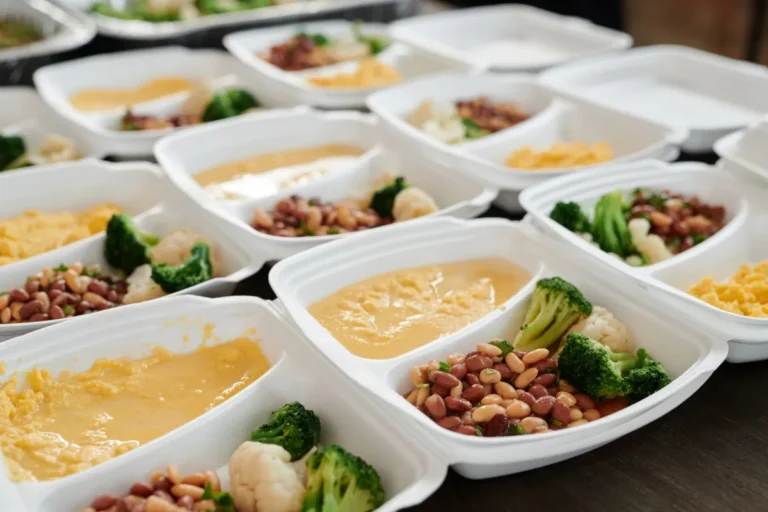
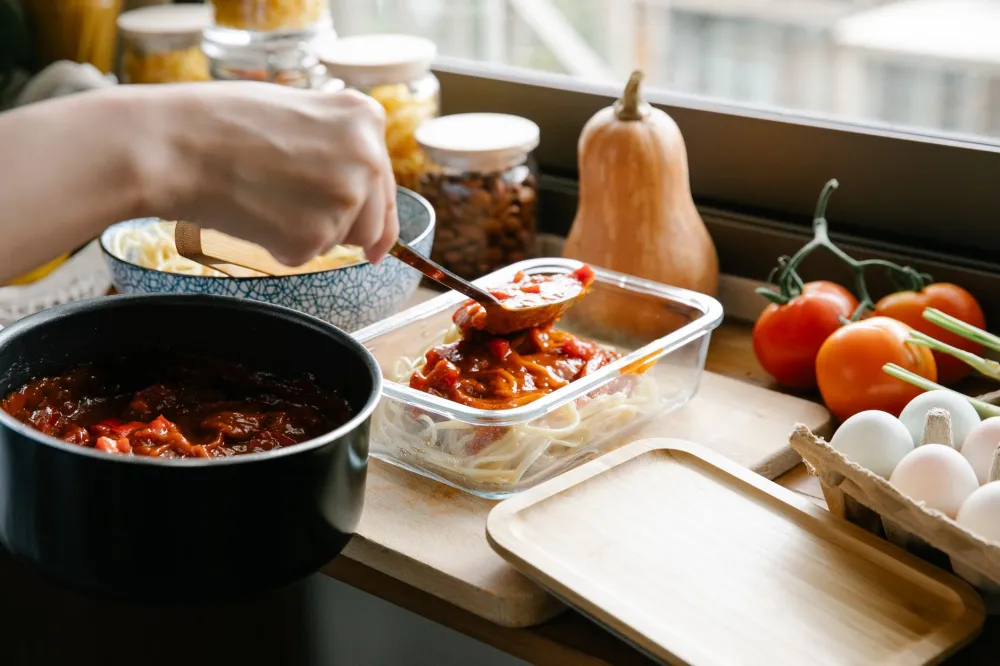
- Sunday afternoon: roast or grill the chicken, cook a big pot of rice and simmer the chili while the egg muffins bake. Portion lunches and dinners into containers for Monday to Wednesday.
- Wednesday evening: brown the beef, split it between bowls and meat sauce, cook fresh rice and roll the breakfast burritos. Wrap and freeze any you won’t eat by Sunday.
- Each night: move the next day’s containers to the front of the fridge, and set the overnight oats if they’re on the menu.
What should you expect? The first prep day tends to feel slow. By the second or third week, many people find the Sunday session shrinks because the routine starts to run on autopilot. If you track your food, our free macro tracking sheet pairs well with this plan, and a blank meal prep planner template helps once you start writing your own weeks.
How Do You Adjust the Meal Prep Plan for Muscle Gain?
Start by changing portion sizes, then swap proteins to fit your budget or diet. The shape of three solid meals and a snack stays put. Only the amounts and ingredients move.
If You’re Not Gaining (or Gaining Too Fast)
Weigh yourself a few mornings a week, and watch the trend over two to three weeks instead of reacting to daily swings. No change at all usually means you need more food. Add a second snack or an extra half cup of rice at lunch and dinner. If the scale climbs fast and your waistband starts to feel snug, trim the carbs a little. Slow and steady tends to favor muscle over fat.
On a Tight Budget
Eggs, canned tuna, dried or canned beans, milk and chicken thighs are usually among the cheapest protein sources at US grocery stores. Store-brand Greek yogurt in big tubs costs far less per serving than single cups. Buy chicken in family packs and freeze half of it. Your wallet will notice.
If You’re Vegetarian
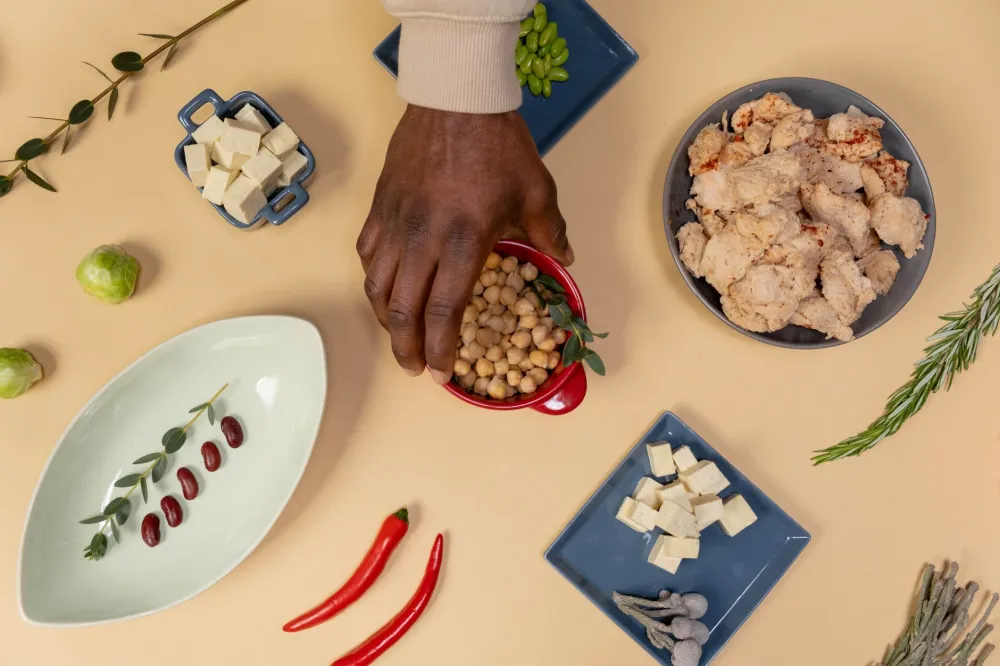
Swap the meat for tofu, tempeh, lentils, beans and extra eggs or dairy. Plant proteins work, but you often need a bit more total food to hit the same protein number. That’s why Greek yogurt, cottage cheese and soy milk earn a spot. Our high protein foods chart lists more options.
Here’s a quick look at approximate protein values for common foods. The numbers come from USDA FoodData Central and are rounded, so treat them as ballpark figures.
| Food | Serving | Approx. Protein | Typical Cost |
|---|---|---|---|
| Chicken breast, cooked | 3 oz (85 g) | About 26 g | Moderate |
| Canned tuna, drained | 3 oz (85 g) | About 20 g | Low |
| Plain nonfat Greek yogurt | 1 cup | About 20 to 23 g | Low to moderate |
| Cottage cheese, low-fat | 1 cup | About 25 g | Low to moderate |
| Lentils, cooked | 1 cup | About 18 g | Very low |
| Large egg | 1 egg | About 6 g | Low |
What Mistakes Slow Down Muscle Building?
Most slowdowns come down to three things: eating too little overall, skipping protein at breakfast, and expecting food alone to do the work. A meal plan supports muscle building. It can’t replace consistent strength training and decent sleep.
- Undereating without noticing: chicken and broccoli is filling but fairly low in calories. If you never feel properly fed, add carbs and healthy fats.
- Back-loading protein: a coffee-only morning followed by a huge dinner is a common pattern. Spreading protein across the day is a simple fix.
- Skipping training days: the CDC recommends muscle-strengthening activity at least 2 days a week for adults. Building muscle typically takes progressive effort on top of that baseline.
- Bulking on junk: fast food “dirty bulks” can add weight quickly, but much of that weight may be fat.
- Prepping too far ahead: seven days of chicken in the fridge isn’t a plan. It’s a food safety problem.
Form matters too. If heavy lifts leave you sore in a way that feels sharp or lingers, our guide to back pain after the gym explains normal soreness versus warning signs. For general guidance on activity levels, the CDC is a solid place to start.
Who Should Check With a Doctor or Dietitian First?
Most healthy adults can follow a higher-protein plan safely. Some people, though, should get personal advice before they bump up protein or calories. A registered dietitian can fit portions to your health, medications and training.
- Kidney disease: people with chronic kidney disease are often advised to limit protein, so don’t raise it without your care team’s input.
- Diabetes: extra carbs and meal timing can affect blood sugar and medication needs.
- Pregnancy or breastfeeding: nutrition needs change, so talk to your doctor or midwife.
- Teens: growing bodies have different needs, and a pediatrician is a better guide than a bulking plan.
- A history of disordered eating: tracking and rigid plans can be risky. Support from a professional comes first.
MedlinePlus, the National Library of Medicine’s consumer health site, has plain-language pages on kidney disease and diet if that applies to you. If you notice chest pain, trouble breathing, numbness or unexplained weight loss, see a doctor promptly. Those symptoms call for a doctor, not a meal plan.

What Does the Research Say About Eating for Muscle?
Here’s the short version: total daily protein, enough calories and regular resistance training matter far more than timing tricks or special products. The basics carry most of the weight, which is good news if your budget and schedule are ordinary.
How Much Protein Do You Need?
The Recommended Dietary Allowance (RDA) for protein is 0.8 grams per kilogram of body weight. That’s a baseline for basic needs, not a muscle-building target. You can read the basics on Harvard Health.
A 2018 meta-analysis in the British Journal of Sports Medicine found that gains from extra protein in people doing resistance training seemed to level off around 1.6 grams per kilogram a day, roughly 0.7 grams per pound. For a 170-pound person, that works out to about 120 grams daily.
Those are averages, and some people may do better with a bit more. Still, for most lifters, this meal prep plan for muscle gain is designed to land in that general range when you eat full portions.
Myth vs. Fact
- Myth: you must eat protein within 30 minutes of training. Fact: research suggests the “anabolic window” is wider than gym lore claims. Total daily protein seems to matter more.
- Myth: more food always means more muscle. Fact: a modest calorie surplus is generally considered enough. Large surpluses mostly add fat.
- Myth: you need supplements. Fact: food can cover your protein intake. Powders are a convenience, not a requirement.
How Long Until You See Results?
Muscle growth is slow. Many people notice strength improving within a few weeks, but visible size changes usually take months of steady training and eating. Give the plan 8 to 12 weeks for a fair test. For more on why lifting matters alongside food, see our look at strength training vs cardio.
FAQ
The Bottom Line
This meal prep plan works best when it’s boring in the right way: the same reliable meals, two short cook sessions and protein at every meal. Aim for roughly 0.7 grams of protein per pound of body weight, eat enough to support slow weight gain and keep lifting consistently. Print the plan, shop the list this weekend and adjust portions after two or three weeks based on your trend. If you have a health condition, talk with your doctor or a dietitian first.
This article is for informational purposes only and is not a substitute for professional medical advice, diagnosis, or treatment. Always consult a qualified healthcare provider about your specific situation. If you experience severe or sudden symptoms, seek medical care immediately.

Weight Loss and Nutrition
Browse every related article on this topic in one place.