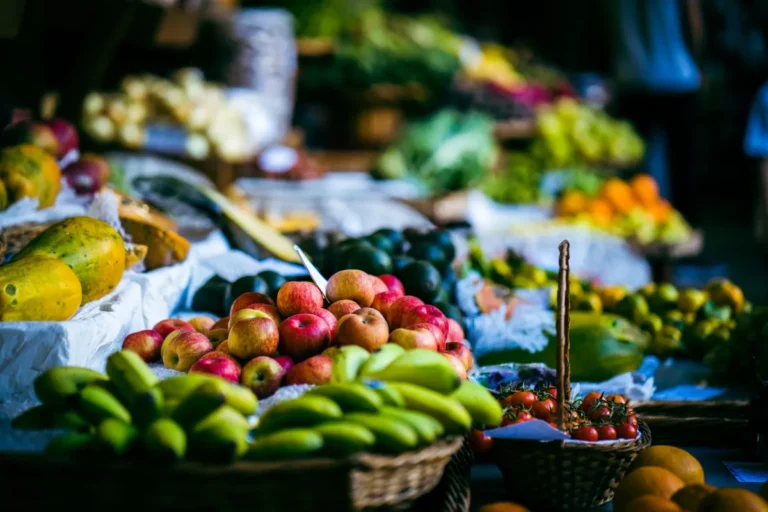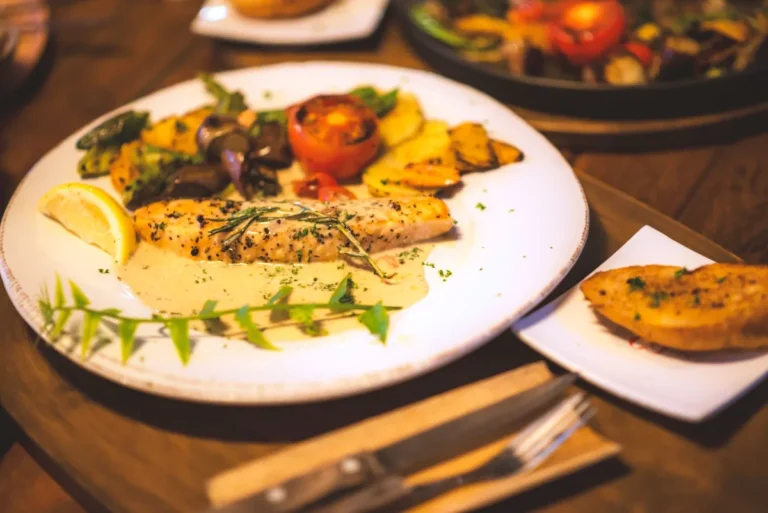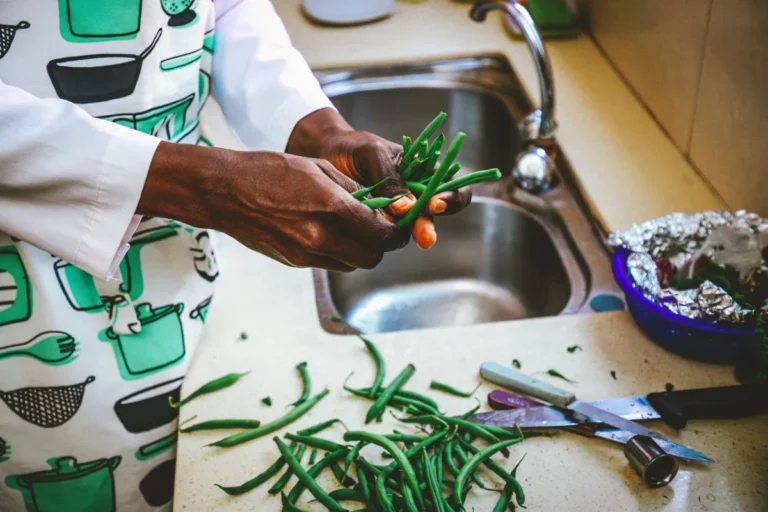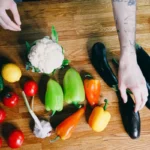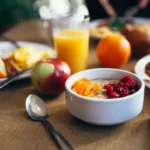

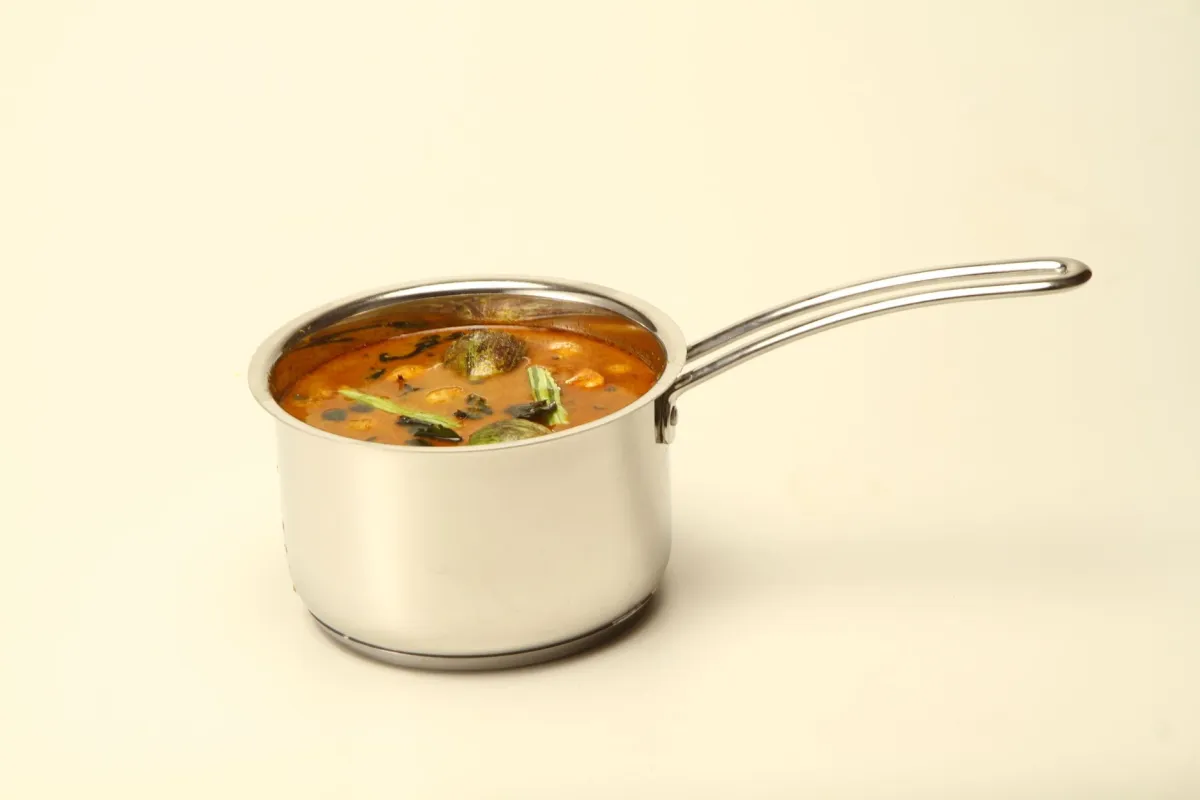
Your grandmother’s kitchen probably already had most of an anti-inflammatory diet: dal, sabzi, dahi, and a pinch of haldi in nearly everything. What slipped in later is the trouble, like the 4 PM samosa, the third sugary chai, and rice piled a little too high. Here’s a chart that sorts the helpful foods so you can print it tonight.
- Anti Inflammatory Diet Chart Indian: 36 Foods and a Sample Day
- How Do You Use an Anti Inflammatory Diet Chart Indian Style?
- How Can You Adjust the Chart for Your Kitchen?
- What Are the Most Common Mistakes?
- Who Should Check With a Doctor or Dietitian First?
- What Does Research Say About Anti-Inflammatory Eating?
- FAQ
- The Bottom Line
An anti-inflammatory diet is an eating pattern built around vegetables, fruits, legumes, whole grains, nuts, healthy oils and fish, with fewer refined and ultra-processed foods. It aims at chronic inflammation, the low-grade immune activity that can simmer for years and is linked to heart disease and type 2 diabetes. It isn’t the useful swelling around a sprained ankle, which is your body doing its job. Tape the chart inside a cabinet door, then use the sections below to make it fit your week.
Anti Inflammatory Diet Chart Indian: 36 Foods and a Sample Day
Numbers are rounded approximations from USDA FoodData Central. Rows run from highest fiber (or protein) per serving down.
Dals, Legumes and Whole Grains
| Food | Serving | Calories (approx.) | Fiber (approx.) | Why it’s here |
|---|---|---|---|---|
| Masoor (lentils), cooked | 1/2 cup | 115 | 8 g | Plant protein, folate |
| Whole moong, cooked | 1/2 cup | 105 | 7.5 g | Gentle on digestion, folate |
| Rajma (kidney beans), cooked | 1/2 cup | 110 | 6.5 g | Fiber, potassium |
| Chana (chickpeas), cooked | 1/2 cup | 135 | 6 g | Protein plus fiber |
| Rolled oats, dry | 1/2 cup (40 g) | 150 | 4 g | Beta-glucan soluble fiber |
| Jau (barley), cooked | 1/2 cup | 95 | 3 g | Beta-glucan soluble fiber |
| Whole wheat roti | 1 medium (1 oz atta) | 100 | 3 g | Whole grain base |
| Brown rice, cooked | 1/2 cup | 110 | 2 g | Easy white rice swap |
Vegetables and Greens
| Food | Serving | Calories (approx.) | Fiber (approx.) | Why it’s here |
|---|---|---|---|---|
| Green peas (matar), cooked | 1/2 cup | 65 | 4.5 g | Plant protein, vitamin K |
| Broccoli, cooked | 1/2 cup | 27 | 2.5 g | Vitamin C |
| Spinach (palak), cooked | 1/2 cup | 20 | 2 g | Vitamin K, folate |
| Okra (bhindi), cooked | 1/2 cup | 18 | 2 g | Soluble fiber |
| Carrots (gajar), raw | 1/2 cup chopped | 26 | 2 g | Beta-carotene |
| Cauliflower (gobi), cooked | 1/2 cup | 14 | 1.5 g | Vitamin C |
| Tomato | 1 medium | 22 | 1.5 g | Lycopene, vitamin C |
| Karela (bitter gourd), cooked | 1/2 cup | 12 | 1 g | Vitamin C, very light |
Fruits, Nuts and Seeds
| Food | Serving | Calories (approx.) | Fiber (approx.) | Why it’s here |
|---|---|---|---|---|
| Apple, with skin | 1 medium | 95 | 4.5 g | Pectin fiber |
| Almonds (badam) | 1 oz (about 23) | 165 | 3.5 g | Vitamin E, healthy fats |
| Pomegranate (anar) arils | 1/2 cup | 72 | 3.5 g | Polyphenols |
| Guava (amrood) | 1 fruit (2 oz) | 37 | 3 g | About 125 mg vitamin C |
| Orange | 1 medium | 62 | 3 g | Vitamin C |
| Papaya | 1 cup cubed | 62 | 2.5 g | Vitamin C, folate |
| Walnuts (akhrot) | 1 oz (14 halves) | 185 | 2 g | Plant omega-3 (ALA) |
| Flaxseed (alsi), ground | 1 tbsp | 37 | 2 g | Plant omega-3 (ALA) |
Protein Foods and Cooking Fats
| Food | Serving | Calories (approx.) | Protein (approx.) | Why it’s here |
|---|---|---|---|---|
| Chicken breast, cooked | 3 oz | 140 | 26 g | Lean protein, skip frying |
| Salmon or mackerel (bangda) | 3 oz cooked | 175 to 220 | 20 g | Omega-3 EPA and DHA |
| Tofu, firm | 3 oz | 120 | 13 g | Plant protein, calcium |
| Dahi (plain low-fat yogurt) | 1 cup | 155 | 13 g | Live cultures if labeled |
| Egg | 1 large | 72 | 6 g | Choline, vitamin B12 |
| Extra virgin olive oil | 1 tbsp | 120 | 0 g | Monounsaturated fat, polyphenols |
Spices, Herbs and Drinks
| Item | Amount | Calories (approx.) | How to use it |
|---|---|---|---|
| Haldi (turmeric), ground | 1 tsp | 9 | Dal tadka with black pepper |
| Adrak (ginger), fresh | 1 tsp grated | 2 | Tea, dal, stir-fries |
| Lehsun (garlic) | 1 clove | 4 | Tadka for dal and sabzi |
| Jeera (cumin) seeds | 1 tsp | 8 | About 1.4 mg iron |
| Methi dana (fenugreek seeds) | 1 tsp | 12 | About 1 g fiber |
| Green tea, unsweetened | 1 cup (8 oz) | 2 | Swap for one sugary chai |
Sample Day on the Chart
| When | What to eat | Why it works |
|---|---|---|
| Early morning | Water, 5 soaked almonds | Gentle start, vitamin E |
| Breakfast | Moong chilla, mint chutney | Protein and fiber early |
| Mid-morning | 1 guava or orange | Vitamin C, no added sugar |
| Lunch | 2 rotis, palak dal, salad, dahi | Greens, fiber, live cultures |
| Evening snack | Roasted chana, green tea | Replaces the fried snack |
| Dinner | Brown rice, rajma, sautéed gobi | Legumes plus vegetables |
| Bedtime (optional) | Unsweetened haldi milk | Calm, low-sugar ritual |
Foods to Keep Occasional
- Deep-fried snacks like samosas, pakoras and bhujia
- Mithai, jalebi and sweetened packaged drinks
- Refined maida breads and biscuits
- Processed meats and reused frying oil
Use this anti inflammatory diet chart Indian plate guide at main meals: half vegetables, a quarter dal or protein, a quarter whole grains.
Want more? Browse all our free printables: meal plans, food lists, trackers and challenges, each with a PDF.
How Do You Use an Anti Inflammatory Diet Chart Indian Style?
Think of the chart as a shopping and swapping guide, not a strict menu. Pick a few foods from each table every day and build meals you already know how to cook. Most people find it easiest to change one meal at a time, starting with whichever meal has the fewest vegetables on the plate.
- Print and post it: Keep the PDF where you plan meals, like the fridge door, or save a photo on your phone for grocery runs.
- Circle 10 favorites: Mark the foods your household already likes. Familiar food is the food you’ll keep eating.
- Build one plate a day: Use the plate guide at lunch or dinner before trying it at every meal.
- Add before you subtract: Toss a guava in your work bag or set a bowl of dahi on the table before you worry about cutting anything out.
- Shop the list weekly: Indian grocery stores in most US cities sell dals, millets and whole spices cheaply in bulk.
Prefer a set menu over a mix-and-match chart? Our 7-day anti-inflammatory meal plan printable turns these same ideas into ready-made breakfasts, lunches and dinners.
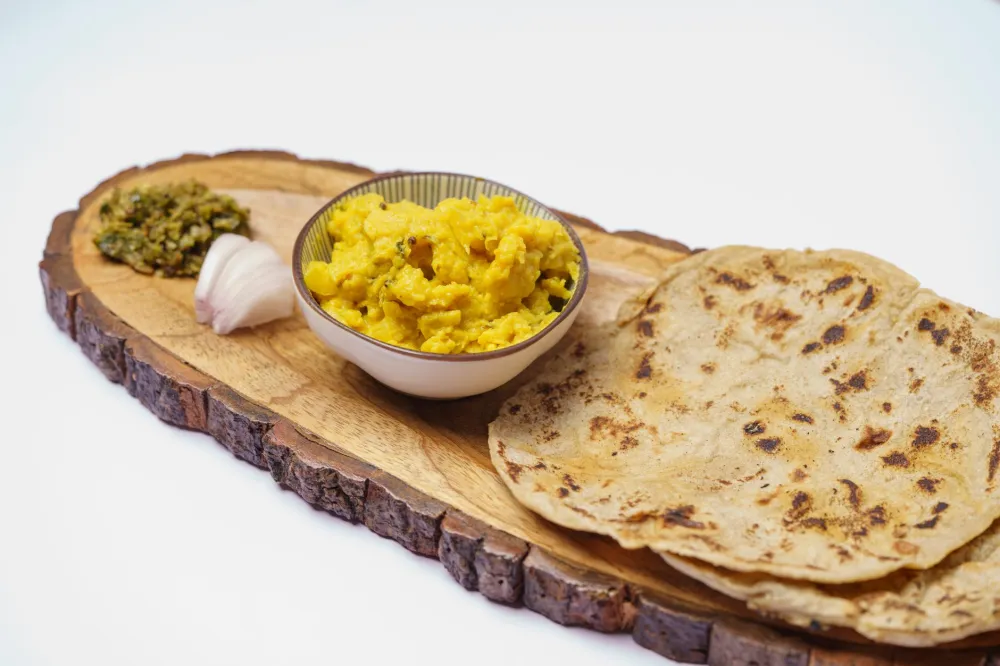
What to expect in the first two weeks
Expect small changes, not dramatic ones. In week one, many people feel fuller from the extra dal and vegetables, and some notice more gas as fiber climbs. Adding legumes slowly and drinking enough water usually helps. By week two, cooking this way tends to feel routine, and any shift in blood markers of inflammation generally takes longer to show up. Only your doctor can check those.
How Can You Adjust the Chart for Your Kitchen?
The chart bends easily to vegetarian, vegan, budget and portion needs, since most Indian staples already sit near the top of it. Swap foods within the same table, keep the plate proportions, and the overall eating pattern stays intact.
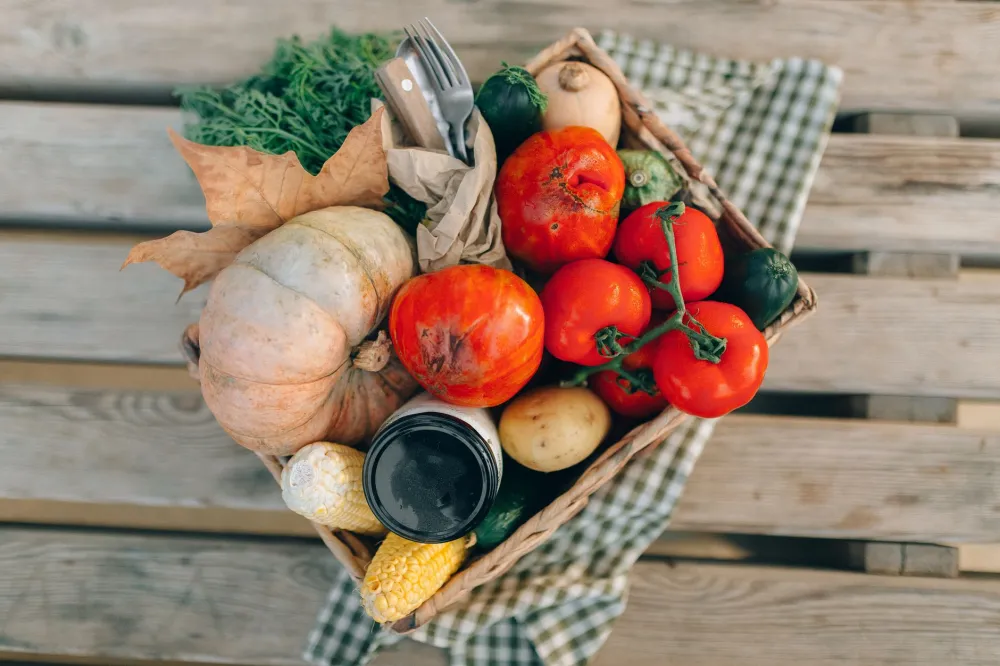
Vegetarian or vegan
Skip the fish and chicken rows and lean on dals, chana, rajma, tofu and dahi for protein. Vegans can use a soy yogurt with live cultures. Without fish, ground flaxseed and walnuts become your main omega-3 sources, though the body converts only a small share of the plant form (ALA) into the EPA and DHA found in fish. Paneer fits too in modest portions, since it carries a fair amount of saturated fat.
On a tight budget
Dried dals and beans bought in big bags are some of the cheapest protein in any American grocery store. Frozen spinach, peas and cauliflower work nearly as well as fresh, and they won’t wilt in the crisper drawer. Seasonal fruit, like oranges in winter, often costs less than imported pomegranates.
Portion sizes
The servings in the chart are reference amounts, not limits. Active adults may need more roti, rice and dal, while smaller or less active adults may feel satisfied with less. Oils and nuts are the easiest to overdo, since each tablespoon of oil carries roughly 120 calories (approx.).
Here’s how everyday habits compare with simple swaps that need nothing fancy:
| Common habit | Easy swap | Why it may help |
|---|---|---|
| Sugary chai, three a day | One chai, then green tea | Less added sugar |
| Samosa or pakora snack | Roasted chana | More fiber, less frying oil |
| Two scoops white rice | Half brown, half white | More fiber, gradual change |
| Maida naan | Whole wheat roti | Whole grain fiber |
| Packaged namkeen | Small handful of almonds | Better fats, less sodium |
| Reused deep-frying oil | Fresh oil, light tadka | Avoids repeatedly heated oil |
Want more options to rotate in? This printable anti-inflammatory foods list covers 45 foods beyond the Indian staples here.
What Are the Most Common Mistakes?
The biggest mistakes are treating one spice as the whole plan and quietly undoing good foods with frying and sugar. Plenty of people following this chart trip over the same few habits:
- Relying on haldi alone: A teaspoon of turmeric can’t offset a plate of fried food. The overall pattern matters far more than any one ingredient.
- Frying the good stuff: Bhindi and karela lose much of their advantage when deep-fried. Roast, steam or sauté them with a little oil instead.
- Missing hidden sugar: Chai, sweet lassi and store-bought chutneys add up fast. This guide to cutting added sugar without feeling deprived is a good place to start.
- Trusting packaged health snacks: Many baked chips and instant mixes still count as heavily processed. Here’s what the research on ultra-processed foods suggests.
- Going too fast on fiber: Jumping from a little dal to three bowls a day can cause bloating. Add one serving every few days instead.
- Undereating: This chart isn’t a calorie cut, and skipping meals often backfires on energy, mood and cravings.
Perfection isn’t the goal. Most meals on most days is plenty.
Who Should Check With a Doctor or Dietitian First?
If you have a chronic health condition, take daily medication, or are pregnant or breastfeeding, talk with your doctor or a registered dietitian before following this chart. The foods are everyday staples, but a few can affect certain conditions or interact with medicines.
- Kidney disease: Dals, beans, nuts and dahi are rich in potassium and phosphorus, which some people are told to limit.
- Blood thinners: People on warfarin are usually advised to keep vitamin K intake steady, and palak is high in it. Turmeric supplements may also raise bleeding risk.
- Diabetes medicines: More fiber and less white rice can change blood sugar, and karela may lower it further. Your care team may need to adjust your plan.
- IBS or a sensitive gut: Chana, rajma and garlic are high in FODMAPs, fermentable carbs that trigger bloating and pain in some people.
- Pregnancy, or a history of disordered eating: Personalized guidance matters more than any printable chart.
Food is never a replacement for treatment. Persistent joint pain, swelling, ongoing digestive trouble or fatigue deserves a real medical evaluation. Red-flag symptoms such as chest pain, trouble breathing, a sudden severe headache, numbness or weakness, or unexplained weight loss mean seeing a doctor promptly, not adjusting your menu.

What Does Research Say About Anti-Inflammatory Eating?
Overall eating patterns rich in plants, fiber and unsaturated fats are associated with lower levels of inflammation markers. No single food or chart has been shown to cure an inflammatory disease, though. The evidence is strongest for the whole pattern and weakest for individual superfoods.
Harvard Health lists tomatoes, olive oil, leafy greens, nuts, fatty fish and fruit among foods that may help fight inflammation. Those groups fill most rows of this chart. Observational studies, which track what people eat and how they fare over years, link Mediterranean-style diets to lower C-reactive protein (CRP), a blood marker of inflammation. Randomized trials of that style of eating have also been associated with fewer heart problems. If you want the bigger picture, the Mediterranean diet explained simply shares most of its building blocks with a home-cooked Indian thali.
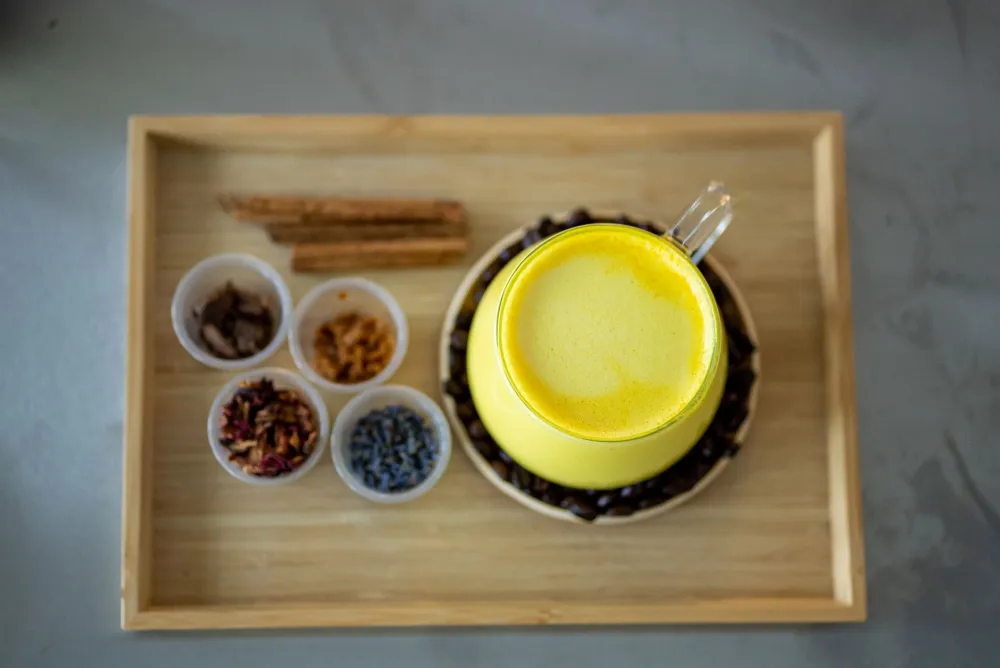
Fiber is another bright spot. Your microbiome, the trillions of bacteria living in your gut, ferments fiber from dal, oats and vegetables into short-chain fatty acids. Research suggests these compounds may help calm inflammation in the gut lining. You can read more about what feeds your microbiome. The Dietary Guidelines for Americans also flag fiber as a nutrient most US adults don’t get enough of.
Turmeric is where the hype outruns the evidence. Some small trials of curcumin supplements show modest effects on joint pain, but results are mixed, the doses are far higher than food provides, and supplements aren’t tightly regulated. According to MedlinePlus, turmeric supplements can interact with some medicines, including blood thinners, so ask your pharmacist before taking them. Turmeric in your dal, though, is a low-risk, tasty habit.
FAQ
The Bottom Line
An anti-inflammatory diet chart Indian families can stick with is built from foods already in the pantry: dal, greens, whole grains, dahi, fruit, nuts and a well-used spice box. Print the chart, circle 10 favorites, and build one balanced plate a day this week. Ease back on fried snacks and sugary drinks gradually instead of banning them. If you manage a health condition or take daily medication, bring the chart to your doctor or dietitian and tailor it together.
This article is for informational purposes only and is not a substitute for professional medical advice, diagnosis, or treatment. Always consult a qualified healthcare provider about your specific situation. If you experience severe or sudden symptoms, seek medical care immediately.

Weight Loss and Nutrition
Browse every related article on this topic in one place.