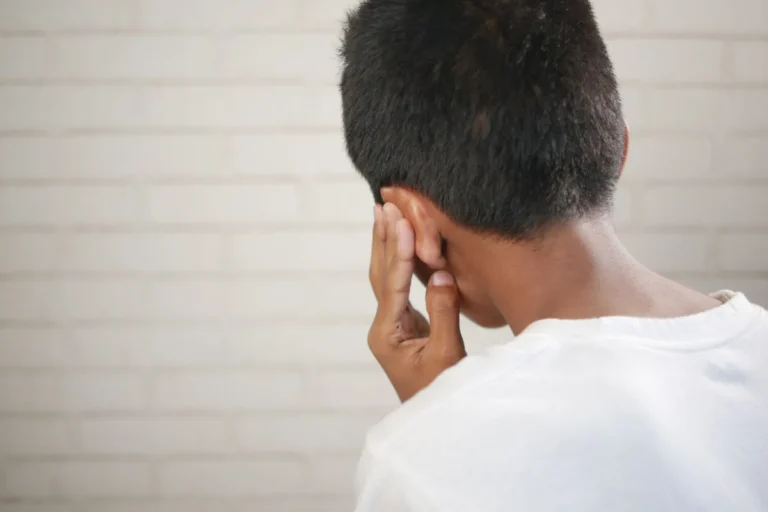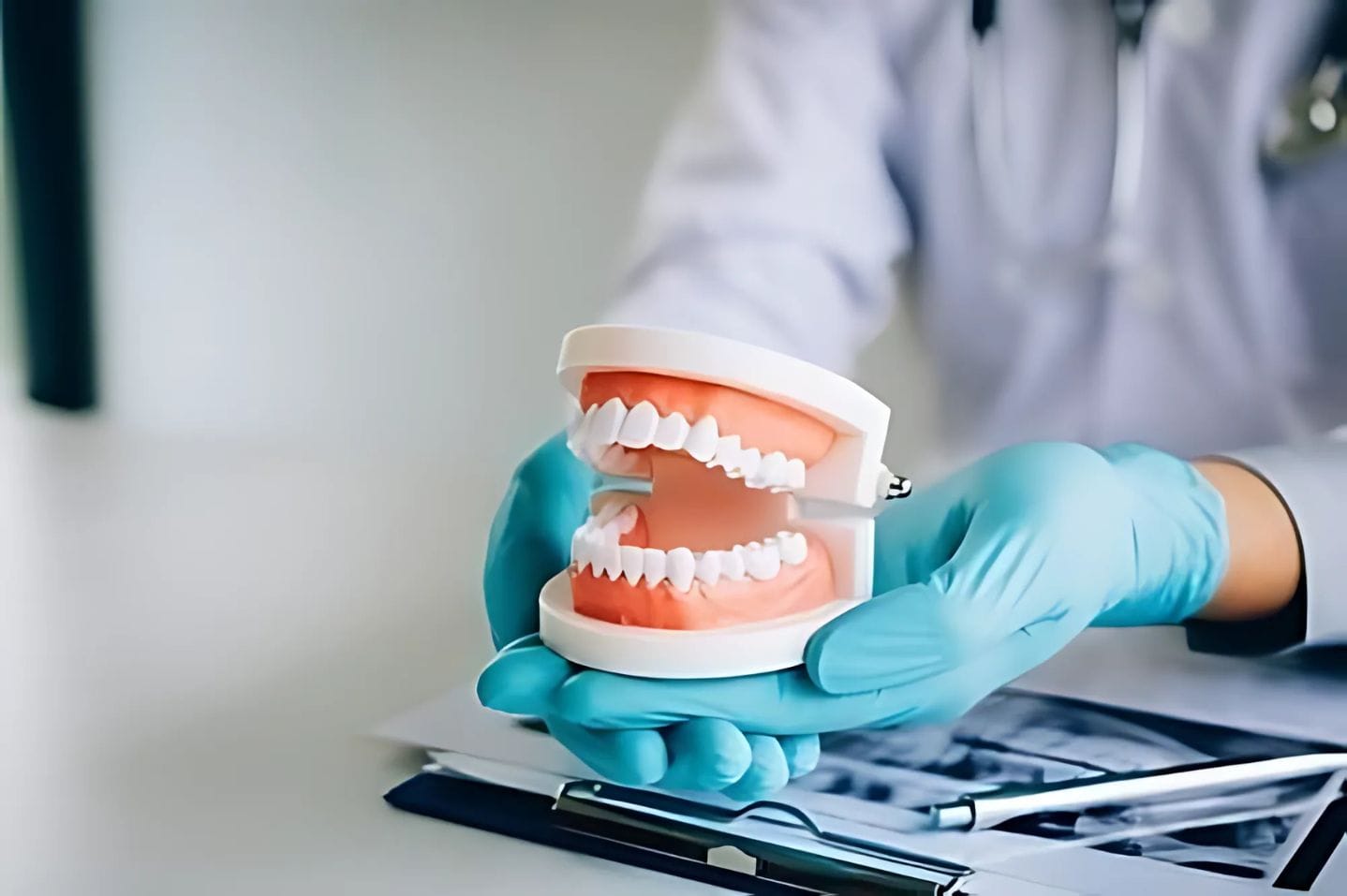
Wisdom teeth are the third molars at the very back of your mouth. They usually come through between the late teens and mid twenties, and they are the last teeth to arrive. Many people get them through without trouble. For others, there is not enough room, and the tooth gets stuck partway, comes through at an angle, or traps food and bacteria under a flap of gum.
That is when wisdom tooth pain and infection start. Here is how to recognise the signs, what causes them, what you can do while you wait to see a dentist, and when a wisdom tooth needs to come out.
Signs and Symptoms of Wisdom Tooth Problems
Pain from a wisdom tooth tends to sit at the back of the mouth, behind your last molar, but it can spread to the jaw, ear and side of the head. Common signs include:
- Aching or throbbing at the back of the jaw, on one or both sides
- Red, swollen or tender gum behind the last molar
- A bad taste or bad breath that does not go away with brushing
- Pus coming from the gum around the tooth
- Difficulty opening your mouth fully (trismus)
- Pain when biting, or biting down on the swollen gum flap
- Swollen glands under the jaw
Some impacted wisdom teeth cause no symptoms at all and are only spotted on an X-ray. Pain at the back of the jaw also has other causes, which we cover in our guide to jaw pain on one side.

What Causes Wisdom Tooth Pain
Impaction
A wisdom tooth is impacted when it cannot fully come through the gum, usually because the jaw is too small. It may be tilted towards the next tooth, angled backwards, lying sideways or trapped completely in bone. Impaction itself is not always painful, but it makes the problems below more likely.
Pericoronitis
This is the most common wisdom tooth infection. When a tooth is only partly through, a flap of gum covers part of it. Food and bacteria collect underneath, and the gum becomes inflamed and infected. It causes pain, swelling, a bad taste and sometimes difficulty opening the mouth. It often flares up repeatedly.
Decay and gum disease
Wisdom teeth are hard to reach with a brush, so they and the tooth in front of them are more prone to decay. Our guide on how to get rid of cavities explains how decay develops. Gum disease can also develop around partly erupted teeth.
Abscess
Untreated decay or infection can form a pocket of pus, a dental abscess, which causes severe throbbing pain and swelling.
Less common problems
Occasionally a fluid-filled cyst forms around an impacted tooth, or the tooth damages the root of its neighbour. These are usually found on X-rays.
Relief While You Wait to See a Dentist
Home measures can ease pain for a few days, but they do not treat the cause. Book a dental appointment as well.
- Pain relief. Ibuprofen or paracetamol (acetaminophen), following the dose on the pack, help most people. Ibuprofen is not suitable for everyone, so check with a pharmacist if you have stomach, kidney or heart problems, asthma, or are pregnant.
- Warm salt water rinses. Dissolve half a teaspoon of salt in a glass of warm water and rinse gently a few times a day to help keep the area clean.
- Clean carefully. Keep brushing the area gently with a soft brush. Food trapped under the gum flap makes inflammation worse.
- Cold compress. A wrapped ice pack on the outside of the cheek for 10 to 15 minutes can reduce swelling.
- Soft foods and chewing on the other side.
You may see claims that clove oil, miswak sticks or other natural products will cure a wisdom tooth infection. There is no good evidence for that. Clove oil may numb the gum briefly but can irritate soft tissue, and nothing applied at home can drain an abscess or remove a trapped flap of gum. Never put aspirin directly on the gum, as it can burn the tissue.
Treatment for Wisdom Tooth Pain and Infection
Your dentist will examine the area and usually take an X-ray to see the position of the tooth. Treatment depends on what they find.
| Problem | Typical treatment |
|---|---|
| Mild pericoronitis, first episode | Cleaning under the gum flap, rinses, pain relief |
| Pericoronitis with spreading infection or fever | Cleaning plus antibiotics, then review |
| Repeated pericoronitis | Removal of the wisdom tooth is often advised |
| Decay in the wisdom tooth | Filling if the tooth is useful and reachable, otherwise removal |
| Abscess | Draining the infection and treating or removing the tooth |
| Impacted but healthy, no symptoms | Often left alone and monitored |
Antibiotics can calm a spreading infection, but they do not remove the cause, so problems tend to come back. A badly decayed back tooth is sometimes saved with root canal treatment, though wisdom teeth are more often removed because they are hard to reach and may not be needed for chewing.

Does Your Wisdom Tooth Need to Come Out?
Not always. According to the NHS, impacted wisdom teeth that are not causing problems usually do not need removing. Removal is generally recommended when a wisdom tooth causes repeated infections, decay that cannot be treated, damage to the neighbouring tooth, gum disease or a cyst.
The procedure is usually done by a dentist or oral surgeon under local anaesthetic. Some people choose sedation, and complex cases may be done under general anaesthetic. Afterwards, expect some swelling, soreness and stiffness for a few days, usually easing within a week or two.
Recovery tips
- Bite on gauze to control bleeding and rest for the rest of the day
- Avoid rinsing, spitting hard, using straws and smoking for the first day, to protect the blood clot
- From the next day, rinse gently with warm salt water after meals
- Eat soft foods and keep up gentle brushing of the other teeth
Contact your dentist if pain gets worse a few days after the extraction instead of better. This can be dry socket, when the blood clot is lost and the bone is exposed. It is very painful but treatable.
Can You Prevent Wisdom Tooth Problems?
You cannot change the size of your jaw, but you can lower the risk of infection and decay:
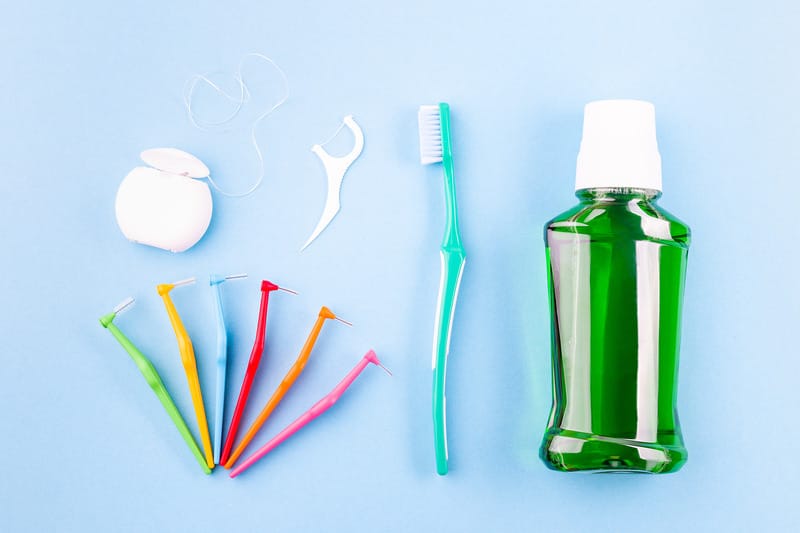
- Brush twice a day with fluoride toothpaste, angling the brush to reach the very back teeth
- Clean between teeth daily with floss or interdental brushes
- Keep regular dental checkups so problems are spotted early on X-rays
- Do not ignore a gum flap that keeps getting sore
A bad taste or smell around a partly erupted tooth is common. Our guide to bad breath covers the causes and what helps.
Related reading: Swollen Gum Around One Tooth: Causes and Treatment.
FAQ
How long does wisdom tooth pain last?
Pain from a tooth coming through may come and go over days or weeks. Pain from an infection usually needs treatment to settle and can return until the cause is dealt with.
Can a wisdom tooth infection go away on its own?
Mild gum inflammation sometimes settles with careful cleaning and rinses, but infection often comes back. See a dentist if you have pus, swelling or pain lasting more than a few days.
Can wisdom tooth pain cause earache or headaches?
Yes. Pain from the back of the jaw often spreads to the ear, temple and side of the head.
Do wisdom teeth make other teeth crooked?
This is a common belief, but research has not shown that wisdom teeth are a major cause of crowding in the front teeth. Removing healthy wisdom teeth just to prevent crowding is not usually recommended.
Is it normal for wisdom teeth to hurt when coming through?
Mild soreness and tender gums are common as any tooth erupts. Severe pain, swelling, a bad taste or a fever are not, and need a dental check.
The Bottom Line
Wisdom tooth pain usually comes from a tooth that is stuck or partly through, often with an infected gum flap (pericoronitis), decay or an abscess. Salt water rinses, gentle cleaning and over-the-counter pain relief can help for a few days, but a dentist needs to find and treat the cause. Healthy wisdom teeth that cause no problems can usually stay. Get urgent care for spreading swelling or trouble swallowing or breathing. More guides are in our ear, nose, throat and dental hub.
This article is for general information and is not a substitute for advice from your dentist.
Sources
- NHS: Wisdom Tooth Removal
- Cleveland Clinic: Impacted Wisdom Teeth
- Cleveland Clinic: Pericoronitis
- NHS: Dental Abscess
Medical disclaimer: This article is for general information only and is not a substitute for advice, diagnosis or treatment from a qualified health professional. If your symptoms are severe, sudden or getting worse, contact a doctor or emergency services.

Ear, Nose, Throat and Dental
Browse every related article on this topic in one place.