
Keto sounds rigid until you notice where most people actually slip: the 10 AM snack attack, the 4 PM fridge raid, the dinner that drifts toward midnight. Fix the timing, and the low-carb food choices start to feel a lot easier.
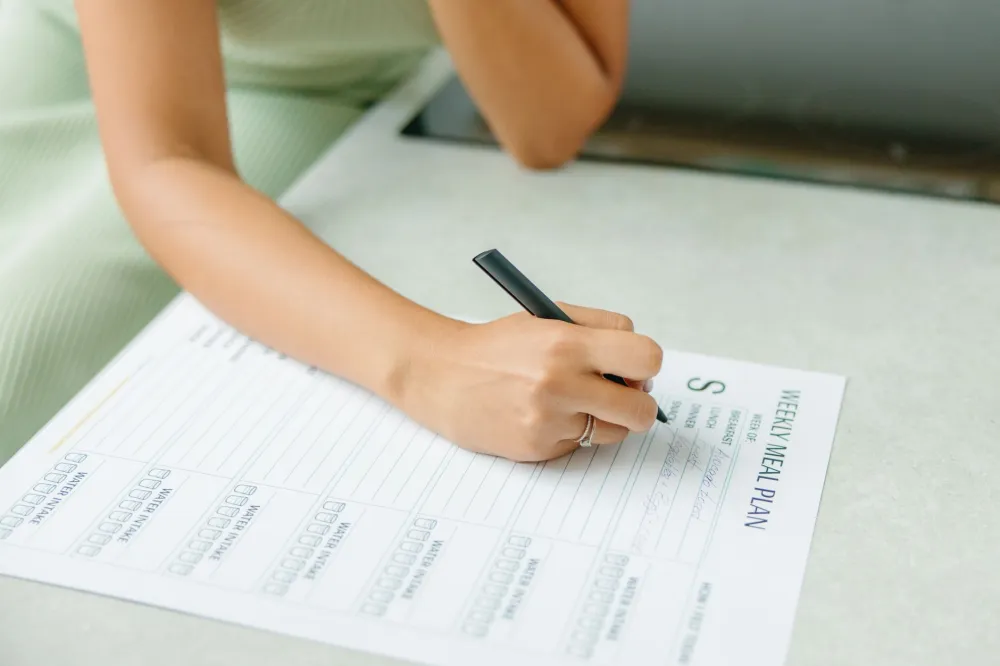
Pick the schedule that matches the day you actually live, not the one a fitness influencer lives. Print it, tape it to the fridge, and nudge the times an hour either way. The structure matters far more than the exact minute.
Your Keto Eating Schedule: 4 Printable Daily Charts
Each chart runs on the same low-carb food rules. Only the clock changes, so shift any time earlier or later to fit when you wake up.
Schedule 1: Classic Three Meals (No Fasting)
Who it suits: Keto beginners, families eating dinner together, early workouts, and anyone who gets shaky when meals run late.
| Time | What to do | Keto example |
|---|---|---|
| 7:00 AM | Wake up, drink water | Large glass of water |
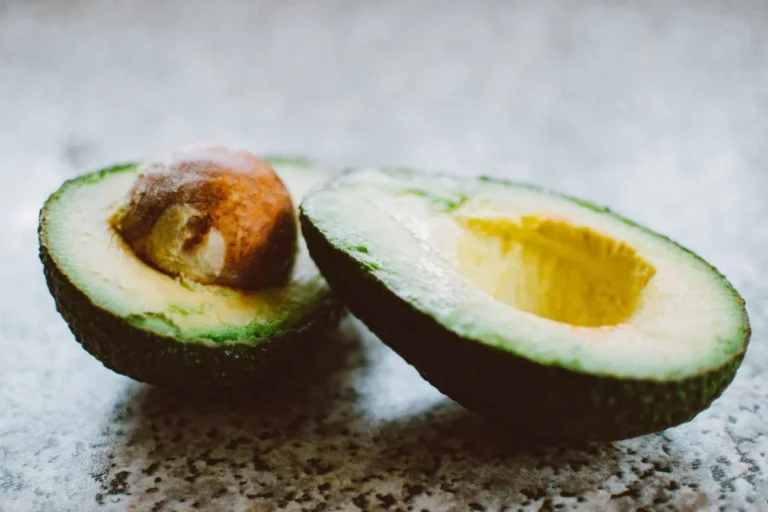
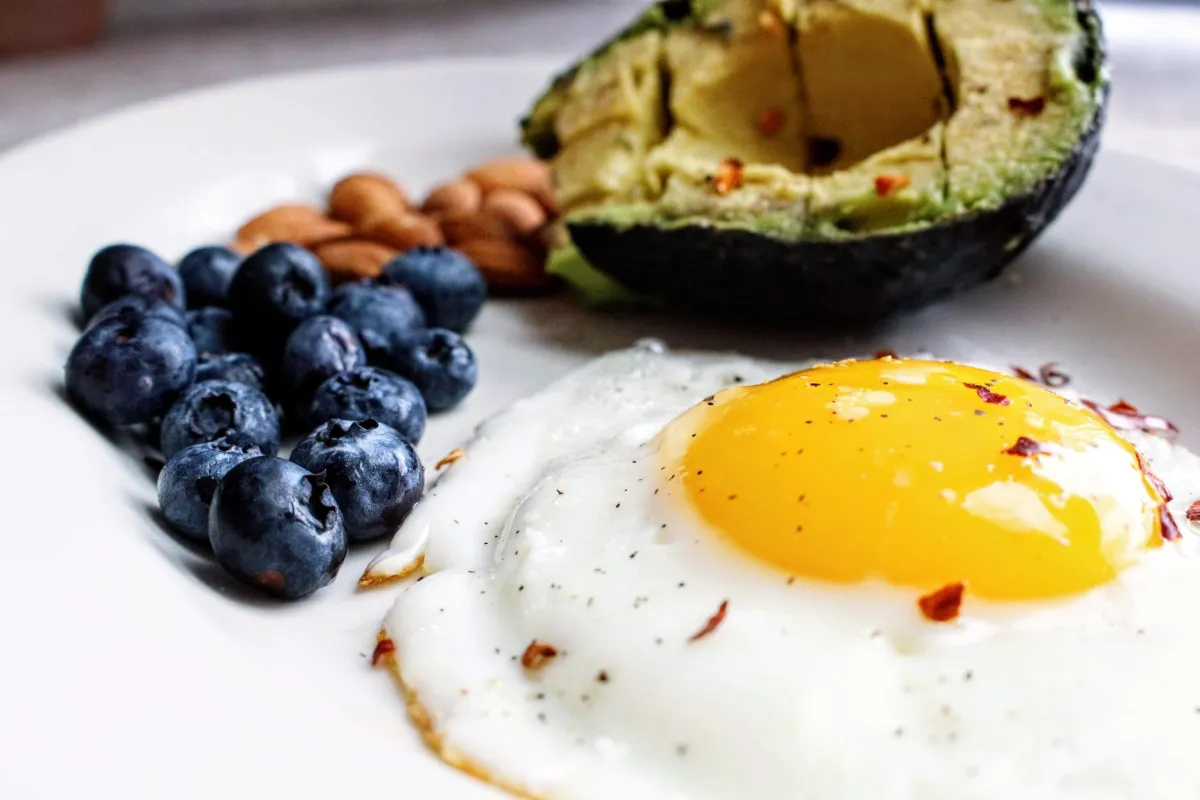
| 7:30 AM | Breakfast | Eggs, spinach, half an avocado |
| 10:30 AM | Snack only if hungry | Cheese stick or almonds |
| 12:30 PM | Lunch | Chicken salad, olive oil dressing |
| 3:30 PM | Fluid check | Broth or sparkling water |
| 6:30 PM | Dinner | Salmon, roasted broccoli, butter |
| 8:30 PM | Kitchen closed | Herbal tea if wanted |
Schedule 2: 14:10 Window (8 AM to 6 PM)
Who it suits: Early risers, evening snackers, and anyone trying a first gentle overnight fast.
| Time | What to do | Keto example |
|---|---|---|
| 7:00 AM | Wake up, water, coffee | Black coffee or plain tea |
| 8:00 AM | Window opens: breakfast | Full-fat plain Greek yogurt, walnuts |
| 12:30 PM | Lunch | Tuna lettuce wraps, cucumber |
| 3:00 PM | Snack if needed | Celery with peanut butter |
| 5:30 PM | Dinner | Pork chops, green beans |
| 6:00 PM | Window closes | Water or plain tea only |
| 9:30 PM | Bedtime | Fast continues overnight |
Schedule 3: 16:8 Window (Noon to 8 PM)
Who it suits: People who already skip breakfast, desk workers, and anyone who has been steady on keto for a few weeks.
| Time | What to do | Keto example |
|---|---|---|
| 7:00 AM | Wake up, water, coffee | Water, black coffee |
| 10:00 AM | Hunger and energy check | Water or plain tea |
| 12:00 PM | Window opens: first meal | Bunless burger, side salad |
| 3:30 PM | Snack or mini meal | Hard-boiled eggs, olives |
| 7:00 PM | Last meal | Shrimp stir-fry, cauliflower rice |
| 8:00 PM | Window closes | Water or herbal tea |
| 10:00 PM | Bedtime | Fast runs until noon |
Schedule 4: 18:6 Window (Noon to 6 PM)
Who it suits: Experienced keto eaters who feel well on 16:8. This one is optional, never a goal you have to hit.
| Time | What to do | Keto example |
|---|---|---|
| 7:00 AM | Wake up, water, coffee | Water, black coffee |
| 11:00 AM | Check for dizziness | Water; eat early if unwell |
| 12:00 PM | Window opens: big protein meal | Steak, zucchini, olive oil |
| 3:00 PM | Second small meal | Turkey roll-ups, cheese, cucumber |
| 5:30 PM | Final meal | Chicken thighs, asparagus |
| 6:00 PM | Window closes | Water or plain tea |
| 10:00 PM | Bedtime | Fast continues overnight |
Rules That Apply to Every Schedule
- Carbs: Many keto plans land around 20 to 50 grams of net carbs a day (total carbs minus fiber), though needs vary.
- Protein: Aim for a palm-sized portion at every meal.
- Vegetables: Fill about half your plate with leafy or non-starchy veggies.
- Fasting hours: Stick to water, black coffee and plain tea.
- Fluids and salt: Drink regularly and salt your food to taste.
- Stop signs: Dizzy, faint or unwell? Eat something and rethink the plan.
Eat until comfortably full inside your window. Fasting windows are a tool, not a test.
Want more? Browse all our free printables: meal plans, food lists, trackers and challenges, each with a PDF.
How Do You Use This Keto Eating Schedule?
Start with the three-meal chart for one to two weeks, then try a fasting window only if you feel steady and want one. Follow one chart for at least a week, and judge it by your energy, hunger and sleep, not just the scale.
- Start with Schedule 1: Your body is still adjusting to fewer carbs. Stacking a long fast on top can make the early tiredness and headaches people call keto flu feel worse.
- Slide the clock to fit you: Up at 5:30 AM for a commute? Move every time back by 90 minutes. The gaps between meals matter more than the numbers.
- Prep your first meal ahead: The meal that breaks a fast is where many people grab something carb-heavy out of hunger. Batch-cook a few simple keto meals for beginners on Sunday.
- Jot down three things daily: Energy at 3 PM, hunger before your first meal, and how well you slept.
- Step up slowly, if at all: Try 14:10 for a week, then 16:8. Plenty of people stay on three meals and do just fine.
A printed chart works because it removes daily decisions. You’re not standing in the kitchen at 9 PM wondering whether that handful of nuts counts. The paper already answered.
What the First Two Weeks Often Feel Like
Many people notice tiredness, headaches or irritability in the first few days of cutting carbs. For many, those symptoms ease within a week or two, and hunger between meals tends to settle too. That’s usually when a 14:10 or 16:8 window starts to feel natural instead of forced. If symptoms are severe or don’t fade, call your doctor.
Which Keto Eating Schedule Fits Your Day?
The best schedule is the one you can repeat on an ordinary Tuesday without gritting your teeth. Use this comparison to match a chart to your routine, then adjust portions and foods for your budget, diet and workouts.
| Schedule | Eating window | Effort level | Good fit for |
|---|---|---|---|
| Three meals | About 11 hours | Easiest | Beginners, families, athletes |
| 14:10 | 10 hours | Gentle | Early risers, night snackers |
| 16:8 | 8 hours | Moderate | Breakfast skippers, desk jobs |
| 18:6 | 6 hours | Hardest | Experienced keto eaters only |
Notice that none of these is labeled best for weight loss. That’s deliberate. The window you’ll actually keep beats the one that looks impressive on paper.
Shift Work or Odd Hours
Count from when you wake up, not from the time on the clock. A night-shift nurse who wakes at 2 PM can run the 16:8 chart with a first meal around 7 PM and a window closing at 3 AM. Keep the gaps and ignore the AM and PM labels.
Keto on a Budget
Eggs, canned tuna or salmon, chicken thighs, ground beef, cabbage, frozen broccoli and store-brand cheese can cover most meals on every chart. Our printable keto food list sorts staples into eat-freely and skip piles, so your grocery trips stay short.

Vegetarian Keto
Swap the meat for eggs, tofu, tempeh, full-fat Greek yogurt, cheese, and nuts and seeds like chia or hemp. Fully vegan keto is harder to balance for protein, so a registered dietitian is worth a visit if that’s your route.
Workout Days
Many people feel stronger lifting when they’ve eaten in the last few hours. On 16:8 or 18:6, try training in the afternoon so a protein-rich meal follows soon after, or use the three-meal chart on heavy training days.
What Keto Meal Timing Mistakes Trip People Up?
The most common mistakes are fasting too long too soon, eating too little protein in a short window, and forgetting fluids and salt. Each one makes keto feel harder than it has to, and each is easy to fix once you spot it.
- Jumping straight to 18:6: Pairing a big carb cut with long fasts in week one is a recipe for headaches and a 3 PM crash.
- Skimping on protein: Squeezing meals into six hours makes it easy to fall short, and protein helps protect muscle.
- Ignoring salt and water: Low-carb eating tends to flush out water and sodium early on, which can leave you light-headed.
- Turning the window into a grazing session: Eight hours of nonstop keto snacking still adds up.
- Heavy dinners right before bed: Some people get heartburn or sleep poorly. Try finishing two to three hours before lying down.
- Quitting after one off day: Holidays happen. Go back to your chart at the next meal.
If any of these sound familiar, our roundup of first-month keto mistakes covers the food side in more detail.

Who Should Check With a Doctor First?
If you have a chronic condition, take daily medication, or are pregnant or breastfeeding, talk to a doctor before starting keto or intermittent fasting. A very low-carb diet can shift blood sugar, blood pressure and fluid balance quickly, so medical guidance keeps the plan safe.
- Diabetes of any type: Especially if you use insulin or another glucose-lowering medicine.
- Blood pressure medication: Fluid loss on keto may change how you feel on it.
- Kidney, liver, gallbladder or pancreas conditions: High-fat eating may not suit you.
- Pregnancy, breastfeeding or teens: Fasting windows aren’t recommended without professional advice.
- A history of disordered eating: Strict rules and fasting can stir up old patterns.
Some symptoms mean you should stop reading and get help. Chest pain, trouble breathing, fainting, confusion, a sudden severe headache, numbness or weakness, or unexplained weight loss need prompt medical care. Ongoing dizziness, vomiting or extreme fatigue on any keto schedule also deserves a proper medical evaluation.
What Does the Research Say About Keto Meal Timing?
Research suggests that what you eat, and how much, matters more than the exact hours you eat it. Fasting windows may help some people eat less without counting calories. Studies haven’t shown that 16:8 or 18:6 burns meaningfully more fat than the same food spread across a normal day.
The ketogenic diet, as the Cleveland Clinic describes it, is a very low-carb, high-fat eating plan that pushes your body to burn fat for fuel and produce compounds called ketones. Some trials suggest it may lead to faster weight loss than low-fat diets in the first few months, though the gap often shrinks over a year or more. Some people also see their LDL cholesterol, the “bad” kind, rise on keto, which is one reason a baseline blood test is a smart idea.
Timing is a separate question. Several trials of time-restricted eating, which means eating only within a set window each day, have found that when calories are matched, weight loss often looks about the same as eating across the day. Some smaller studies hint that eating earlier may suit blood sugar better, but the evidence is still limited. For more on sticking with eating plans long term, Harvard Health’s website is a useful place to start.
| Myth | What the evidence suggests |
|---|---|
| Fasting windows melt extra fat | Total intake still matters most |
| Longer fasts always work better | Not shown; harder to sustain |
| You must eat breakfast on keto | Optional; follow your hunger |
| Late dinners ruin ketosis | Carb amount matters more |
So here’s the reassuring part. You don’t need an extreme window for keto to work for you. If you want more structure on fasting days, our intermittent fasting schedule printable pairs well with these charts.

FAQ
The Bottom Line
A keto eating schedule works best when it fits your real day, so start with the three-meal chart and move to 14:10 or 16:8 only once you feel steady. Keep protein at every meal, drink plenty, salt your food, and treat 18:6 as optional rather than a finish line. Talk to your doctor first if you have a health condition or take daily medication. Print your chart and give it one good week.
This article is for informational purposes only and is not a substitute for professional medical advice, diagnosis, or treatment. Always consult a qualified healthcare provider about your specific situation. If you experience severe or sudden symptoms, seek medical care immediately.

Weight Loss and Nutrition
Browse every related article on this topic in one place.