

You know that tight, uneasy feeling in your stomach before a big presentation, or the way your digestion goes sideways during a rough week at work? That’s not just in your head. Your gut is responding to your stress in real, measurable ways.
Why Does Stress Affect Your Stomach?
The gut-brain axis is the name researchers give to the ongoing two-way communication network between your brain and your digestive system. It runs through your nervous system, your hormones, and the vagus nerve, a long nerve that travels from your brainstem all the way down to your abdomen. When your brain senses a threat, a looming deadline, a difficult conversation, or a night of poor sleep, it fires off a stress response that your gut feels almost immediately.
That response triggers hormones like cortisol and adrenaline. These hormones were designed for short-term emergencies. But in modern life, the stress tends to stick around, and so does the hormonal signal. Your gut stays in a kind of low-grade alarm state, which can slow down or speed up digestion, inflame the gut lining, and shift the balance of microorganisms living there.
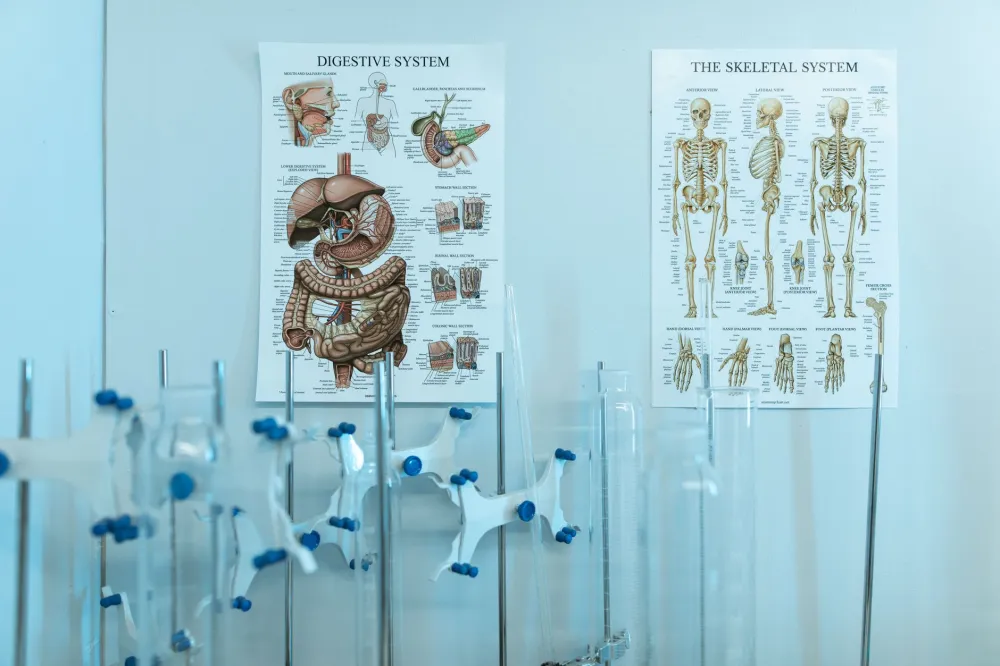
Your microbiome (the trillions of bacteria, fungi, and other microorganisms living in your digestive tract) is particularly sensitive to this kind of disruption. A healthy microbiome supports digestion, produces certain vitamins, and even contributes to the production of mood-related chemicals like serotonin. Roughly 90 percent of your body’s serotonin is made in the gut, according to Harvard Health. Stress that throws your microbiome off balance can set off a chain reaction that touches both how you feel physically and how you feel emotionally.
What Recent Research Shows
A study from the University of Georgia, reported in August 2026, suggests the relationship between stress and gut health runs in both directions. Researchers found evidence that stress can alter the gut microbiome, and that changes in the gut can, in turn, influence how the body and brain handle stress. While the full details of the study are still being reviewed by the broader scientific community, the findings reinforce what gastroenterologists and psychologists have observed clinically for years: this is a two-way street, not a one-way road.
That framing matters. Taking care of your gut health may not just help your digestion. It may also help your resilience to stress. And working to reduce chronic stress is not just good for your mental health. It may be protecting your gut at the same time.
What Chronic Stress Actually Does to Your Gut
Short-term stress is a normal part of life and your gut can handle it reasonably well. Chronic stress, the kind that doesn’t let up for weeks or months, is a different story. Here’s what research consistently links to long-term stress in the digestive system:
- Microbiome imbalance: Prolonged stress may reduce the diversity of beneficial bacteria in the gut, according to research published in journals like Gut Microbes. Less diversity is generally associated with poorer digestive and immune health.
- Increased gut permeability: Sometimes called “leaky gut,” this refers to the gut lining becoming more permeable, potentially allowing substances into the bloodstream that would normally stay out.
- Worsened IBS symptoms: People with irritable bowel syndrome frequently report that stress makes their symptoms significantly worse. The Mayo Clinic notes that psychological stress is one of the most common IBS triggers.
- Slowed or disrupted motility: Motility means how food moves through your digestive tract. Stress can cause it to speed up (leading to diarrhea) or slow down (leading to constipation), depending on the person.
- Changes in appetite and food choices: Cortisol tends to increase cravings for high-fat, high-sugar foods, which can further disrupt the microbiome over time.
None of this means you’re doing something wrong if your gut reacts to stress. Your body is working exactly as designed. The goal is to give that system enough support so it can recover between stressful periods.
How a Troubled Gut Can Increase Stress and Anxiety
Here’s the part that surprises most people: the gut doesn’t just receive stress signals from the brain. It sends signals back. About 80 to 90 percent of the signals traveling along the vagus nerve go from the gut to the brain, not the other way around. What’s happening in your digestive system has a real influence on your mood, anxiety levels, and even cognitive function.
When the microbiome is out of balance, it may produce fewer of the chemical messengers associated with calm and wellbeing. Some strains of gut bacteria influence the production of gamma-aminobutyric acid (GABA), a compound that helps regulate anxiety. Animal studies have shown that depleting certain gut bacteria can increase anxious behaviors, though human research is still catching up.

Chronic gut inflammation, often linked to poor diet, stress, or both, may also play a role in mood disorders. Researchers are careful to note that the relationship is associative, not yet fully proven as cause and effect in humans. What the science does support clearly is this: treating gut health and mental health as entirely separate problems may mean you’re only addressing half the picture.
Stress vs. Gut Health: What Actually Helps
So what genuinely moves the needle? Below is an honest look at the strategies that have the most evidence behind them, alongside the ones that are more hype than substance.
| Strategy | What It May Help | Evidence Level | Realistic Expectation |
|---|---|---|---|
| High-fiber diet | Microbiome diversity | Strong | Gradual improvement over weeks |
| Regular exercise | Stress hormones, motility | Strong | Benefits begin within days |
| Fermented foods | Microbiome balance | Moderate | Helpful addition, not a cure |
| Mindfulness or deep breathing | Stress response, gut motility | Moderate to strong | Works better with consistency |
| Probiotic supplements | Some gut symptoms | Mixed | Strain-specific; results vary widely |
| Quality sleep | Cortisol, microbiome rhythm | Strong | Foundational; everything else builds on it |
Eating for Your Gut (Without Overthinking It)
You don’t need a complicated elimination protocol to support a healthier microbiome. The most consistent finding in gut health research is simple: eat more plants, and eat a variety of them. Fiber feeds the beneficial bacteria in your gut, and different types of bacteria thrive on different types of fiber. The more variety on your plate, the better.
Build meals around vegetables, legumes, whole grains, nuts, and seeds. Fermented foods like plain yogurt, kefir, kimchi, and sauerkraut may add beneficial live cultures directly to your gut. For some genuinely practical starting points, check out these healthy breakfast ideas, which include several gut-friendly options that are easy on busy mornings.
Ultra-processed foods, on the other hand, are consistently associated with lower microbiome diversity. That doesn’t mean you can never eat them. It means they work best as occasional choices rather than the foundation of your diet.

Managing Stress in Ways That Actually Stick
This is where a lot of wellness advice gets vague. “Reduce stress” is not a plan. Here are approaches with actual evidence behind them, framed in realistic terms:
Myths Worth Clearing Up
The gut-brain connection has attracted a lot of oversimplified claims. Here’s what the research does and doesn’t support as of 2026.
Myth: Probiotic supplements will fix your gut. The evidence on probiotic supplements is genuinely mixed. Some specific strains have shown benefit for specific conditions like certain types of diarrhea or some IBS symptoms. But most over-the-counter probiotics contain strains and doses that haven’t been rigorously tested for the claims on the label. The CDC and other health bodies generally advise talking to a doctor before starting them, especially if you have any underlying health conditions. Food-based sources of probiotics, like yogurt and kefir, have a more consistent track record.
Myth: Stress is all in your head. The gut research makes clear that stress has very real physical effects on digestion, inflammation, and the microbiome. Telling someone with stress-related gut issues to “just relax” is about as useful as telling someone with a sprained ankle to “just walk it off.”
Myth: You need a gut cleanse or detox. Your liver and kidneys handle detoxification. There is no peer-reviewed evidence that commercial gut cleanses or detox products improve microbiome health. Some may actually disrupt it.

When Should You See a Doctor About Gut Symptoms?
Occasional digestive upset tied to a stressful period is common and usually resolves on its own once the stressor passes. But some symptoms deserve a proper medical evaluation rather than a wait-and-see approach.
See a doctor if you experience unexplained weight loss, blood in your stool, persistent abdominal pain, or digestive symptoms that are getting progressively worse over weeks. These symptoms can have causes that go beyond stress, and only a healthcare provider can properly evaluate them. If you’ve also been dealing with lower abdominal pain that isn’t going away, that’s another reason to get checked out sooner rather than later.
The Bottom Line
Stress and gut health are genuinely connected, and the latest research from the University of Georgia adds to a well-established body of evidence that this relationship runs both ways. Chronic stress can disrupt your microbiome and worsen digestive symptoms. A troubled gut can, in turn, amplify your stress response and affect your mood. The most practical takeaway is that you don’t have to choose between working on stress management and working on gut health. They support each other. Start with the basics: eat more fiber and variety, move your body consistently, protect your sleep, and find a stress management practice that actually works in your real life. If symptoms are severe or persistent, skip the supplements aisle and talk to a doctor first.
This article is for informational purposes only and is not a substitute for professional medical advice, diagnosis, or treatment. Always consult a qualified healthcare provider about your specific situation. If you experience severe or sudden symptoms, seek medical care immediately.

5 thoughts on “Stress and Gut Health: What the Science Really Says”
Comments are closed.