What Is Beginner Meditation, Really?
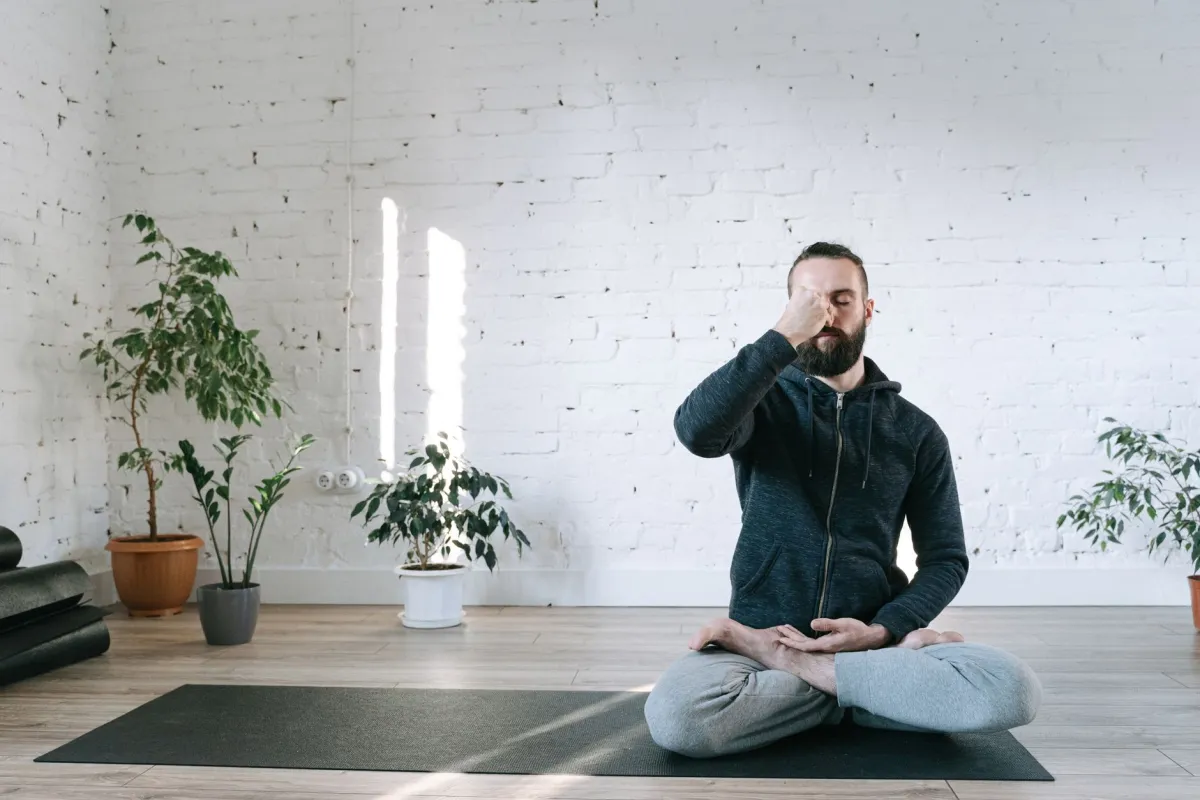
Meditation is simply the practice of training your attention. That’s it. You pick something to focus on, your mind wanders (it will, every single time), and you gently bring it back. That cycle of noticing and returning is the practice, not a failure to do it right.
The word carries a lot of baggage: incense, chanting, monks on mountaintops, apps that tell you to “visualize warm light filling your soul.” If that imagery makes you want to close the tab, you’re not alone. But none of it is required. Meditation stripped to its core is a mental skill, closer to push-ups than to prayer, and the research backs that up clearly.
- What Is Beginner Meditation, Really?
- Why Does Meditation Feel So Complicated for Beginners?
- What Does the Research Actually Say?
- Meditation Myths vs. What's Actually True
- How to Actually Start: A Plain-English Method
- What to Expect in Your First Two Weeks
- Which Type of Meditation Should Beginners Try?
- What Meditation Does NOT Do
- When Should You Talk to a Professional?
- FAQ
- The Bottom Line
Mindfulness-based stress reduction (MBSR) is one of the most studied behavioral interventions in modern medicine. It has been tested in randomized controlled trials (studies where participants are randomly assigned to groups, the gold standard for testing whether something actually works) for everything from anxiety to chronic pain. The mysticism is optional. The attention training is the active ingredient.

Why Does Meditation Feel So Complicated for Beginners?
The gap between how meditation is sold and what it actually is creates most of the confusion. Beginners often quit in the first week because they assume sitting quietly and thinking about nothing is the goal. It isn’t.
Your brain’s default mode network (the mental system that runs background chatter, replays embarrassing moments from years past, and writes your grocery list while you’re in a meeting) doesn’t shut off during meditation. Expecting silence is like expecting your heart to stop beating when you relax. The practice is about noticing when the chatter starts, without judgment, and gently redirecting.
The other barrier is the cultural packaging. Secular, clinical meditation and spiritual meditation share some techniques, but they are not the same thing. You can practice one without the other. Most hospital-based programs and the research literature focus almost entirely on the secular version.
What Does the Research Actually Say?
The evidence for meditation is genuinely solid in some areas and more modest in others. Knowing the difference saves you from both dismissing it and expecting miracles.
Where the evidence is strong: Multiple meta-analyses (large studies that pool results from many smaller studies) show that mindfulness-based practices are associated with meaningful reductions in self-reported anxiety and stress. Research has documented measurable changes in cortisol, the body’s primary stress hormone, among regular meditators. A well-cited study from Massachusetts General Hospital found that participants in an eight-week MBSR program showed changes in gray matter density in brain regions associated with learning, memory, and emotional regulation.
There’s also a brain longevity angle. Recent research confirms that it’s never too late to improve your brain health. Meditation fits squarely into that conversation. Research suggests that regular attention training may support the kind of cognitive flexibility that tends to decline with age, though it’s not a cure or guarantee.
Where it’s more modest: Claims that meditation cures depression, lowers blood pressure dramatically, or replaces therapy are overstated. The effect sizes in many studies are real but small to moderate. It works best as a complement to other healthy habits, not a standalone fix. If you’re dealing with serious mental health challenges, a licensed therapist matters far more than a breathing app.
Meditation Myths vs. What’s Actually True
These five myths stop more beginners than anything else.
| The Myth | What’s Actually True |
|---|---|
| You have to empty your mind | Thoughts always come. Noticing them is the whole point. |
| You need 30-60 minutes a day | Research suggests 5-10 minutes daily may produce measurable effects. |
| You must sit cross-legged on a cushion | Any comfortable, upright position works, including a desk chair. |
| It’s a religious practice | Secular meditation has no required beliefs, rituals, or affiliations. |
| You’ll feel calm immediately | Many people feel restless at first. That’s completely normal and temporary. |

How to Actually Start: A Plain-English Method
Here’s the thing: the technique itself takes about thirty seconds to learn. The skill comes from repeating it. These steps work whether you’re doing this at 6 AM in a quiet house or at 3 PM in a conference room with five minutes between meetings.

What to Expect in Your First Two Weeks
Honest expectations prevent early dropout. Here’s what typically happens, and what it actually means.
Days 1-3: It feels awkward. You’ll notice your mind is much louder than you realized. That’s not a problem with your brain. It’s what happens when you stop distracting it. Most people describe this as restlessness or boredom. Both are normal.
Days 4-7: The session still feels busy, but you’ll likely notice one or two moments of genuine quiet. Even thirty seconds of that is progress. Some people report sleeping slightly better by the end of the first week, though results vary and this isn’t guaranteed.
Days 8-14: Returning to the breath starts to feel familiar rather than forced. You may catch yourself using the technique outside of sessions, during a stressful commute or before a difficult conversation. That carry-over is a real sign it’s working.
If two weeks in you still find the practice genuinely distressing rather than merely uncomfortable, that’s worth paying attention to. For some people with trauma histories, closed-eye focused attention can bring up difficult feelings. Open-eye techniques, walking meditation, or working with a mental health professional may be better starting points.
Which Type of Meditation Should Beginners Try?
There are dozens of named styles, but for secular beginners, three approaches cover nearly everything the research supports.
| Style | What You Do | Best For | Time Needed |
|---|---|---|---|
| Focused attention (breath) | Watch your breath, return when you drift | Anxiety, mental clutter | 5-15 min |
| Body scan | Move attention slowly from feet to head | Physical tension, poor sleep | 10-20 min |
| Open monitoring | Observe thoughts without engaging them | Emotional reactivity | 10-20 min |
For most beginners, focused attention on the breath is the right place to start. It requires nothing, can be done anywhere, and is the foundation of nearly every other technique. Body scans are excellent for winding down before bed. Open monitoring tends to feel more natural after a few weeks of focused practice.
Stress and physical health are tightly connected, especially when it comes to digestion. If you’re curious about the bigger picture of how mental state affects your body, the science behind stress and gut health is worth reading alongside this.
What Meditation Does NOT Do
Honesty here matters. Some claims floating around wellness culture are not supported by rigorous research.
Meditation does not cure anxiety disorders, depression, or post-traumatic stress disorder (PTSD) on its own. Research-backed treatments for those conditions include cognitive behavioral therapy (CBT) and, in many cases, medication. Meditation may support those treatments, but it is not a replacement. If you’re managing a diagnosed mental health condition, work with a licensed professional.
It also doesn’t require a paid app. The basic technique described above costs nothing. Apps can add structure and guided sessions, which genuinely help some people stay consistent, but they are a tool, not a requirement.
And no, you don’t need to meditate for decades to see any benefit. Research suggests that even short-term, consistent practice is associated with changes in subjective stress and attention. The goal is not enlightenment. It’s a slightly calmer, slightly sharper version of your everyday life.
When Should You Talk to a Professional?
Meditation is safe for most healthy adults. But there are situations where it should be part of a broader conversation with a doctor or therapist, not a solo experiment.
Talk to a licensed mental health professional before leaning heavily on meditation as a stress tool if you have a diagnosed anxiety disorder, depression, bipolar disorder, PTSD, or a history of psychosis. These conditions deserve proper clinical care. Meditation can complement that care, but the sequencing matters.
If you notice that sitting quietly consistently brings up intense distress, panic, dissociation (a feeling of being detached from your body or surroundings), or intrusive memories, stop and speak with a therapist. Some trauma-informed practitioners teach modified versions of mindfulness specifically designed for these situations.
For general stress, everyday tension, and garden-variety mental clutter, the basic practice described in this article is considered safe to try on your own. As with any health habit, the healthiest approach is an honest, curious one. If it helps, great. If something feels wrong, say so to someone qualified to help.
FAQ
The Bottom Line
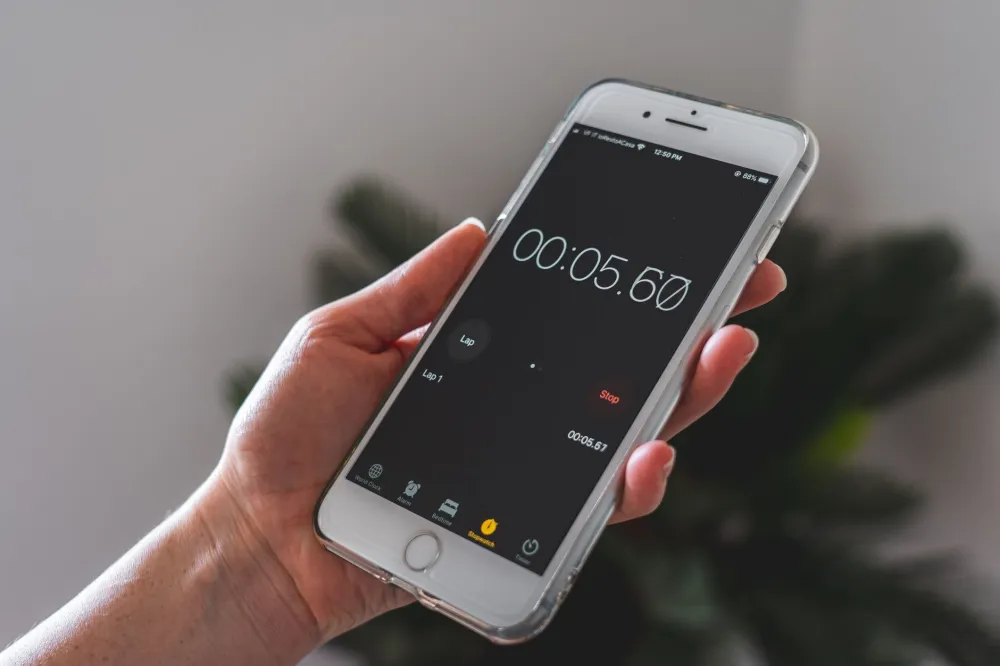
Beginner meditation without the mysticism is exactly what it sounds like: a simple, secular attention-training practice that research suggests may reduce stress, support emotional regulation, and improve mental focus over time. You don’t need a cushion, a belief system, or twenty minutes. Start with five minutes of focused breathing, set a timer, and expect your mind to wander, because that’s how it works. Consistency over weeks matters far more than session length. If sitting quietly ever feels distressing rather than just uncomfortable, that’s a signal to talk to a mental health professional rather than push through alone.
This article is for informational purposes only and is not a substitute for professional medical advice, diagnosis, or treatment. Always consult a qualified healthcare provider about your specific situation. If you experience severe or sudden symptoms, seek medical care immediately.