
Maybe you searched for a meal prep planner template free printable after staring into a fridge that held half an onion, a lonely yogurt and zero dinner ideas. You’re in good company. Most of us don’t lack recipes; we lack a plan written down before the week gets loud.
- Free Printable Meal Prep Planner: Weekly Kit
- How Do You Use a Meal Prep Planner Template Free Printable?
- Which Meal Prep Style Fits Your Week?
- How to Adjust the Planner for Your Budget, Diet and Family
- How Long Does Meal Prep Last in the Fridge?
- Common Meal Prep Mistakes (and Easy Fixes)
- Who Should Talk to a Doctor or Dietitian First?
- What Does the Research Say About Meal Planning?
- FAQ
- The Bottom Line
Print it, stick it on the fridge and fill it in by hand. The template works with any eating style, whether you cook Mediterranean, high-protein or plain old “whatever’s on sale.”
Free Printable Meal Prep Planner: Weekly Kit
Fill in one sheet per week. The first row of each table is an example in italics.
Part 1: 7-Day Meal Plan
| Day | Breakfast | Lunch | Dinner | Snack |
|---|---|---|---|---|
| Example | Overnight oats, berries | Chicken rice bowl | Sheet-pan salmon, veggies | Apple, peanut butter |
| Monday | ||||
| Tuesday | ||||
| Wednesday | ||||
| Thursday | ||||
| Friday | ||||
| Saturday | ||||
| Sunday |
Part 2: Grocery List
| Item | Amount | Store Section | Got It |
|---|---|---|---|
| Chicken thighs | 2 pounds | Meat | Yes |
Part 3: Prep-Day Checklist
| Task | Time Needed | Done |
|---|---|---|
| Cook a pot of rice | 25 min | Yes |
Part 4: Fridge and Freezer Log
| Food | Made On | Eat By | Fridge or Freezer |
|---|---|---|---|
| Turkey chili | Sunday | Wednesday | Fridge |
How to Use This Planner
- Fill in dinners first, then lunches, then breakfasts.
- Write leftovers into the next day’s lunch box.
- Build the grocery list straight from your meal grid.
- List prep tasks longest first, so the oven never sits idle.
- Log every cooked dish with an eat-by date of 3 to 4 days.

How Do You Use a Meal Prep Planner Template Free Printable?
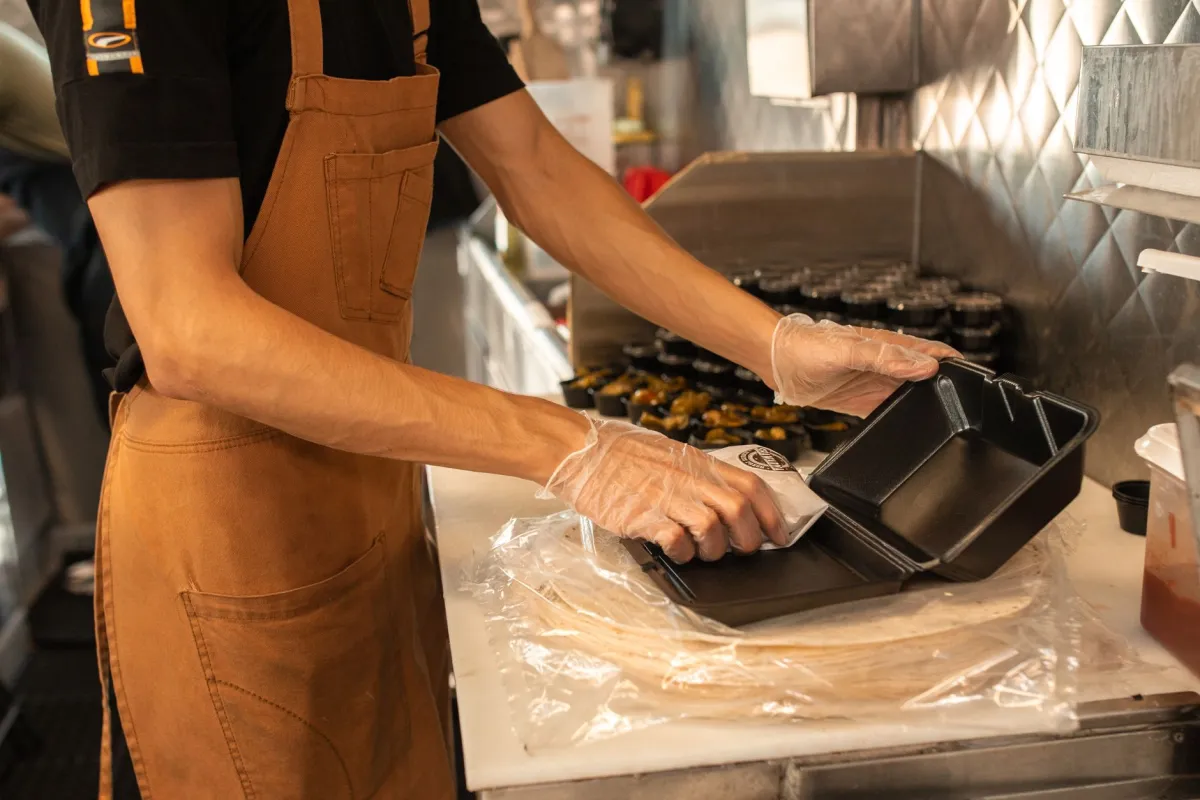
You plan meals first, shop second and cook third, all on one sheet of paper. Most people need about 10 to 15 minutes to fill in the 7-day grid, then 1 to 3 hours for the actual prep, depending on how much they cook ahead.
This order tends to work best in busy weeks:
- Check your calendar: Mark late meetings, kids’ practices and nights out. Those are your “grab and reheat” nights.
- Shop your kitchen first: Look in the fridge, freezer and pantry, and plan at least one meal around what you already have.
- Pick 2 or 3 base recipes: A grain, a protein and a tray of roasted vegetables can be remixed into four or five different meals.
- Write the grocery list by store section: Grouping produce, meat, dairy and pantry items keeps you from zigzagging the aisles.
- Schedule the prep block: Sunday afternoon is the classic choice, but a short Wednesday session often keeps food fresher.
This planner is deliberately simple. No calorie columns, no macro math. If a dietitian has given you targets, you can add them. For most people, though, the win is simply knowing what’s for dinner before 6 PM hits.
Want the bigger picture on avoiding prep fatigue? Our guide to meal prep for busy weeks without burnout covers realistic routines for people who dread spending a whole Sunday in the kitchen.
Which Meal Prep Style Fits Your Week?
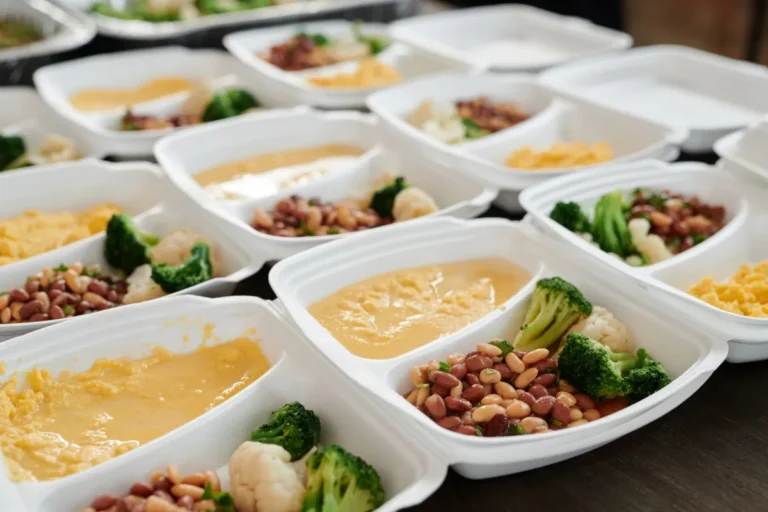
The best meal prep style is the one you’ll actually repeat. Some people like fully cooked, boxed meals. Others only want chopped ingredients ready to toss in a pan. Your planner works with any of these, and plenty of households mix two styles.
| Prep Style | What You Do | Best For | Watch Out For |
|---|---|---|---|
| Full meal boxes | Cook and portion every meal | Work lunches, set routines | Boredom by day four |
| Ingredient prep | Chop, cook grains, marinate | People who like variety | Still need nightly cooking |
| Batch cooking | One big pot, several meals | Families, tight budgets | Same flavor all week |
| Freezer meals | Cook now, freeze for later | Unpredictable schedules | Some textures turn soggy |
| Mini-prep twice weekly | Short sessions Sunday and Wednesday | Freshness lovers | Two shopping trips possible |
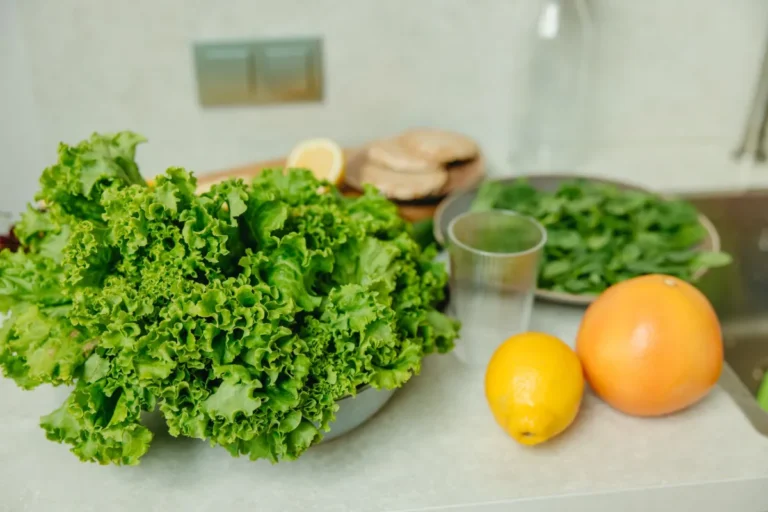
A useful middle ground: cook proteins and grains in bulk, but keep sauces and greens separate until the day you eat them. Salads stay crisp, and rice holds up better. Nobody enjoys a wilted lunch at their desk.
How to Adjust the Planner for Your Budget, Diet and Family
The planner adapts by changing what goes into the grid, not the grid itself. A few small tweaks can make the same meal prep printable template work for a tight grocery budget, a vegetarian kitchen or a family of five.
On a tight budget
Build meals around low-cost staples like dried or canned beans, lentils, eggs, oats, rice, frozen vegetables and whole chickens. Frozen produce is often frozen soon after harvest, so it can be just as nutritious as fresh, and it won’t rot in the crisper drawer. Plan one “use it up” meal, such as fried rice or a frittata, to rescue odds and ends.
Vegetarian or plant-forward
Swap meat for beans, tofu, tempeh, lentils, eggs or Greek yogurt. Aim for a protein source at every meal, since protein helps keep you full. Our high protein foods chart lists plenty of plant and animal options you can copy onto your grocery list.
Portions and weight goals
Many dietitians use a simple visual guide: half the plate vegetables or fruit, a quarter protein and a quarter whole grains or starchy foods. Mayo Clinic’s healthy eating guidance similarly emphasizes vegetables, fruits, whole grains and lean proteins. If you’re trying to lose weight, a modest, steady approach tends to beat extreme cuts, and our calorie deficit grocery list pairs well with this planner.
Kids and picky eaters
Try a “build your own” format: taco bowls, wraps or pasta bars where everyone picks their toppings. One base, many plates. It’s far easier than cooking three separate dinners.
How Long Does Meal Prep Last in the Fridge?
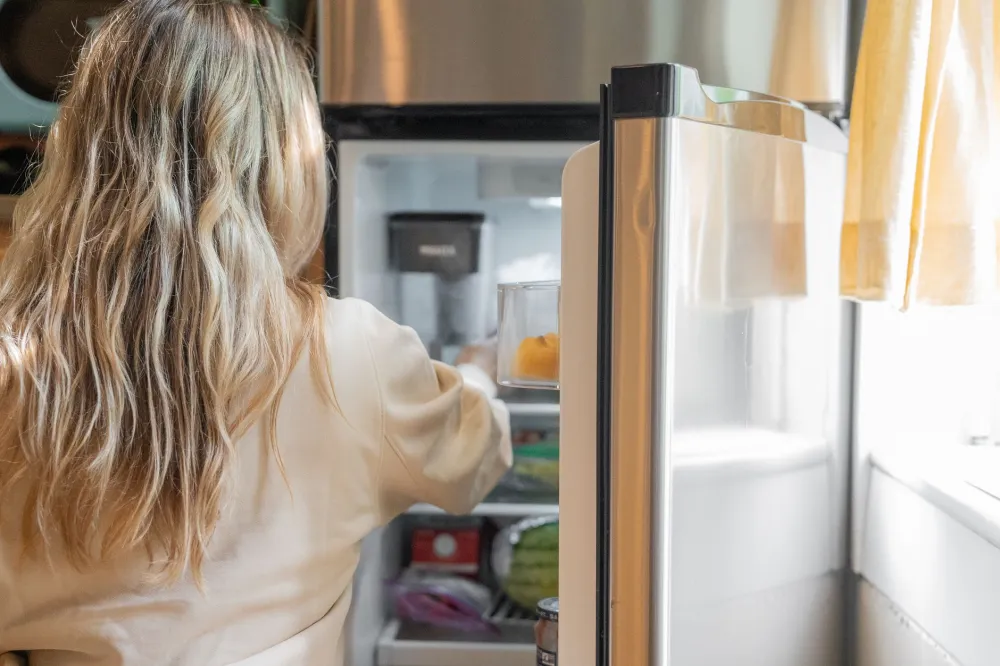
Most cooked meal prep stays safe in the refrigerator for about 3 to 4 days, according to USDA food safety guidance. That’s why the planner includes a fridge and freezer log. Anything you won’t eat by day four should go into the freezer once it cools.
The CDC’s food safety advice says to refrigerate perishable food within 2 hours of cooking, or within 1 hour if it’s sitting somewhere hot, like a car on a summer day or a counter above 90°F (about 32°C). Keep your fridge at 40°F (about 4°C) or below and your freezer at 0°F (about -18°C).
Smell and appearance are poor tests. The bacteria that cause food poisoning often don’t change how food smells or looks. If the eat-by date on your log has passed, toss it.
Common Meal Prep Mistakes (and Easy Fixes)
The most common mistake is planning too ambitiously in week one. Seven brand-new recipes and a four-hour cooking marathon is a fast track to quitting by Wednesday. Start with three or four prepped meals and keep the rest simple.
- Cooking everything on Sunday: Fish and leafy salads fade fast. Eat those early in the week or prep them midweek.
- No flavor variety: Cook one plain protein and split it between two sauces, like salsa and a peanut dressing.
- Forgetting snacks: The 3 PM vending machine run happens when nothing’s packed. Add snacks to your grid.
- Skipping the log: Without dates, mystery containers pile up. Write it down every time.
- Relying on ultra-processed shortcuts: Convenience foods are fine sometimes, but our piece on ultra-processed foods research explains why whole-food staples deserve most of the space.
One more trap is treating the plan like a contract. Plans change. If Thursday’s stir-fry turns into Friday’s stir-fry, the planner still did its job.
Who Should Talk to a Doctor or Dietitian First?
If you’re managing a medical condition through food, get personalized advice before building a meal plan. A printable template is a scheduling tool, not a medical diet. It can’t account for your lab results or your medications.
Check with your doctor or a registered dietitian first if you:
- Have diabetes or prediabetes: Carbohydrate timing may matter, especially if you take insulin or certain other medications.
- Have kidney or heart disease: Sodium, potassium or protein limits may apply.
- Are pregnant or breastfeeding: Nutrient needs and food safety rules are different.
- Have food allergies or celiac disease: Cross-contact during batch cooking needs careful planning.
- Have a history of disordered eating: Rigid food tracking can be unhelpful, and a professional can help you plan safely.
And if you’ve noticed unexplained weight loss, ongoing fatigue or digestive changes, that calls for a real medical evaluation, not a new meal plan.

What Does the Research Say About Meal Planning?
Research suggests that people who plan meals ahead tend to eat a more varied, higher-quality diet. Most of this evidence comes from observational studies. These spot links between habits and outcomes, but they can’t prove that planning itself causes the benefits.
A large observational study of French adults found that those who planned meals were more likely to eat a wider variety of foods and meet nutrition guidelines, and were somewhat less likely to have obesity. Other research links cooking at home more often with better overall diet quality. Planners may also differ in other ways, such as having more time or cooking skills, so the effect of planning alone is hard to isolate.
What doesn’t the research support? Any claim that a specific meal prep routine will make you lose a set number of pounds. Planning may make healthier choices easier, but results vary widely, and crash approaches tend to backfire. Our article on why crash diets backfire explains the slower habits that are more likely to last.
FAQ
The Bottom Line
A meal prep planner template free printable won’t cook dinner for you, but it ends the nightly “what are we eating?” scramble. Print the kit, fill in dinners first, build your grocery list straight from the grid and cook just three or four meals ahead in your first week. Log every container with a 3 to 4 day eat-by date, and freeze anything you won’t get to in time. If a health condition affects what you eat, bring the planner to your doctor or dietitian and fill it in together.
This article is for informational purposes only and is not a substitute for professional medical advice, diagnosis, or treatment. Always consult a qualified healthcare provider about your specific situation. If you experience severe or sudden symptoms, seek medical care immediately.

Weight Loss and Nutrition
Browse every related article on this topic in one place.