

Most people building an intermittent fasting grocery list start with what to cut. Then it’s 12:05 PM, your stomach is growling, the fridge is bare, and the vending machine down the hall looks really good. The fix is dull, but it works: shop for the meals that break your fast before the hunger shows up.
- The Intermittent Fasting Grocery List: 44 Foods
- How Do You Use This Intermittent Fasting Grocery List?
- How Can You Adjust the List for Budget or Diet?
- Common Intermittent Fasting Grocery List Mistakes
- Who Should Check With a Doctor First?
- What Does the Research Say About Intermittent Fasting?
- FAQ
- The Bottom Line
Every food on this list earns its spot. Each one helps you feel full, fuel up fast, or get through the fasting window without a fight. Print it, circle what you actually like, and take it to the store.
The Intermittent Fasting Grocery List: 44 Foods
- Stock up: build most meals around these.
- Moderate: great foods, but measure portions.
- Limit: occasional only, and never during fasting hours.
All numbers are approx. and rounded from USDA FoodData Central. Brands vary, so check the label.
Proteins (8 foods)
| Item | Typical serving | Key number (approx.) | Label | Note |
|---|---|---|---|---|
| Eggs | 1 large | 6 g protein | Stock up | Quick first meal |
| Chicken breast, cooked | 3 oz (85 g) | 26 g protein | Stock up | Batch-cook for the week |
| Canned tuna in water | 3 oz drained | 20 g protein | Stock up | Light tuna is lower mercury |
| Salmon, cooked | 3 oz | 22 g protein | Stock up | Frozen fillets save money |
| Ground turkey, 93% lean | 3 oz cooked | 22 g protein | Stock up | Tacos, bowls, meatballs |
| Plain Greek yogurt, nonfat | 6 oz (170 g) | 17 g protein | Stock up | Skip flavored, add fruit |
| Cottage cheese, low-fat | 1/2 cup | 12 g protein | Stock up | Check sodium on label |
| Firm tofu | 3 oz | 8 g protein | Stock up | Press, then pan-fry |
Vegetables (8 foods)
| Item | Typical serving | Key number (approx.) | Label | Note |
|---|---|---|---|---|
| Spinach, raw | 2 cups | 14 calories | Stock up | Wilts into eggs or soup |
| Broccoli, cooked | 1 cup | 5 g fiber | Stock up | Frozen florets work fine |
| Brussels sprouts, cooked | 1 cup | 4 g fiber | Stock up | Roast for sweetness |
| Cauliflower | 1 cup raw | 2 g fiber | Stock up | Riced bags bulk up meals |
| Bell pepper | 1 medium | 2 g fiber | Stock up | Crunchy raw snack |
| Carrots | 1 medium | 2 g fiber | Stock up | Baby carrots for lunches |
| Mushrooms | 1 cup raw | 15 calories | Stock up | Adds savory flavor |
| Cucumber | 1 cup sliced | 16 calories | Stock up | Mostly water, very refreshing |
Fruits (6 foods)
| Item | Typical serving | Key number (approx.) | Label | Note |
|---|---|---|---|---|
| Raspberries | 1 cup | 8 g fiber | Stock up | Frozen bags last months |
| Blueberries | 1 cup | 4 g fiber | Stock up | Top yogurt or oats |
| Apple | 1 medium | 4 g fiber | Stock up | Eat the peel |
| Orange | 1 medium | 3 g fiber | Stock up | Whole fruit beats juice |
| Banana | 1 medium | 105 calories | Moderate | Handy pre-workout fuel |
| Raisins | 1/4 cup | 120 calories | Moderate | Easy to overpour |
Whole Grains, Beans and Starches (8 foods)
| Item | Typical serving | Key number (approx.) | Label | Note |
|---|---|---|---|---|
| Rolled oats | 1/2 cup dry | 4 g fiber | Stock up | Overnight oats break fasts gently |
| Lentils, cooked | 1/2 cup | 8 g fiber | Stock up | Also about 9 g protein |
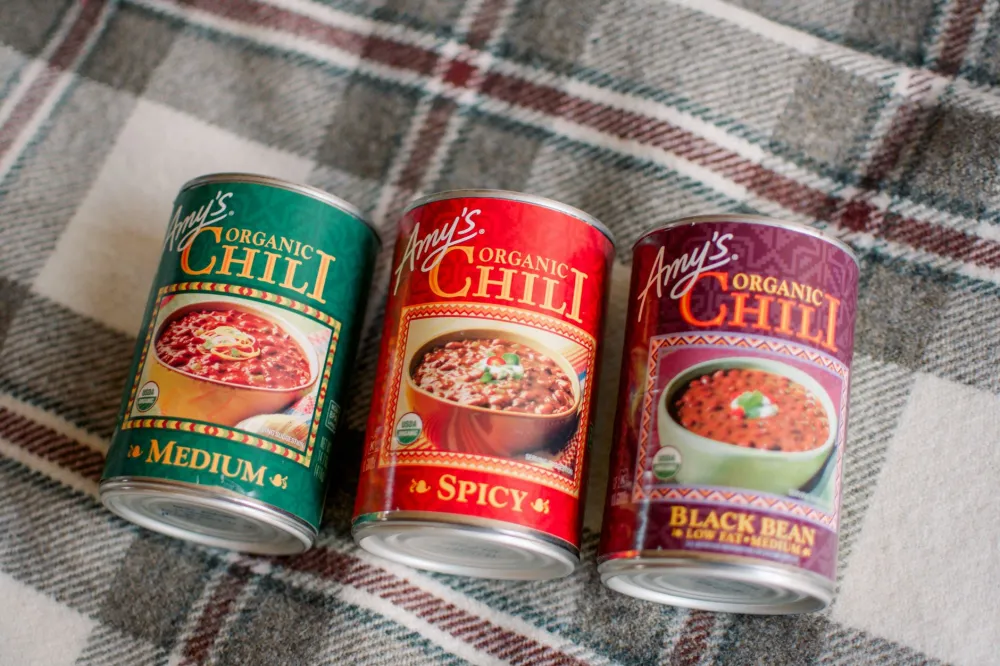
| Black beans, canned | 1/2 cup | 7 g fiber | Stock up | Rinse to cut sodium |
| Chickpeas, canned | 1/2 cup | 6 g fiber | Stock up | Roast or toss in salads |
| Quinoa, cooked | 1 cup | 5 g fiber | Moderate | Also about 8 g protein |
| Brown rice, cooked | 1 cup | 220 calories | Moderate | Pair with protein and veggies |
| Sweet potato, baked | 1 medium | 4 g fiber | Moderate | Microwaves in minutes |
| Whole wheat bread | 1 slice | 2 g fiber | Moderate | Look for 100% whole wheat |
Healthy Fats and Dairy (7 foods)
| Item | Typical serving | Key number (approx.) | Label | Note |
|---|---|---|---|---|
| Avocado | 1/3 medium | 80 calories | Moderate | Makes meals more satisfying |
| Extra virgin olive oil | 1 tbsp | 120 calories | Moderate | Measure, don’t free-pour |
| Almonds | 1 oz (about 23) | 165 calories | Moderate | Pre-portion into small bags |
| Natural peanut butter | 2 tbsp | 190 calories | Moderate | Ingredients: peanuts, maybe salt |
| Chia seeds | 1 tbsp | 4 g fiber | Stock up | Thickens yogurt and oats |
| Milk or unsweetened soy milk | 1 cup | 7 to 8 g protein | Stock up | Skip sweetened versions |
| Cheddar cheese | 1 oz | 7 g protein | Moderate | Strong flavor, small amount |
Drinks for the Fasting Window (7 items)
| Item | Typical serving | Key number (approx.) | Label | Note |
|---|---|---|---|---|
| Water | Anytime | 0 calories | Stock up | Fine during fasting hours |
| Black coffee | 8 oz | 2 calories | Stock up | Watch late-day caffeine |
| Plain tea, hot or iced | 8 oz | 2 calories | Stock up | Unsweetened while fasting |
| Sparkling water, unsweetened | 12 oz | 0 calories | Stock up | Helps evening snack urges |
| Flavored coffee creamer | 1 tbsp | 35 calories | Limit | Breaks a strict fast |
| Fruit juice | 8 oz | 110 calories | Limit | Little fiber, quick sugar |
| Regular soda | 12 oz | 150 calories | Limit | About 39 g sugar |
During fasting hours, stick to zero-calorie drinks: water, black coffee, plain tea and unsweetened sparkling water.
Want more? Browse all our free printables: meal plans, food lists, trackers and challenges, each with a PDF.
How Do You Use This Intermittent Fasting Grocery List?
The simplest approach is to plan the first meal of your eating window before anything else. Then fill the rest of the cart around protein, fiber-rich plants and one measured fat. That order tends to keep you fuller, which makes the next fasting stretch feel less like a countdown.

Here’s a five-minute routine that fits most busy weeks:
- Know your window: Decide when you eat, for example noon to 8 PM. If you haven’t chosen yet, an intermittent fasting schedule printable can help you compare common options.
- Circle by group: Pick 2 proteins, 3 vegetables, 2 fruits and 1 or 2 grains or beans from the list.
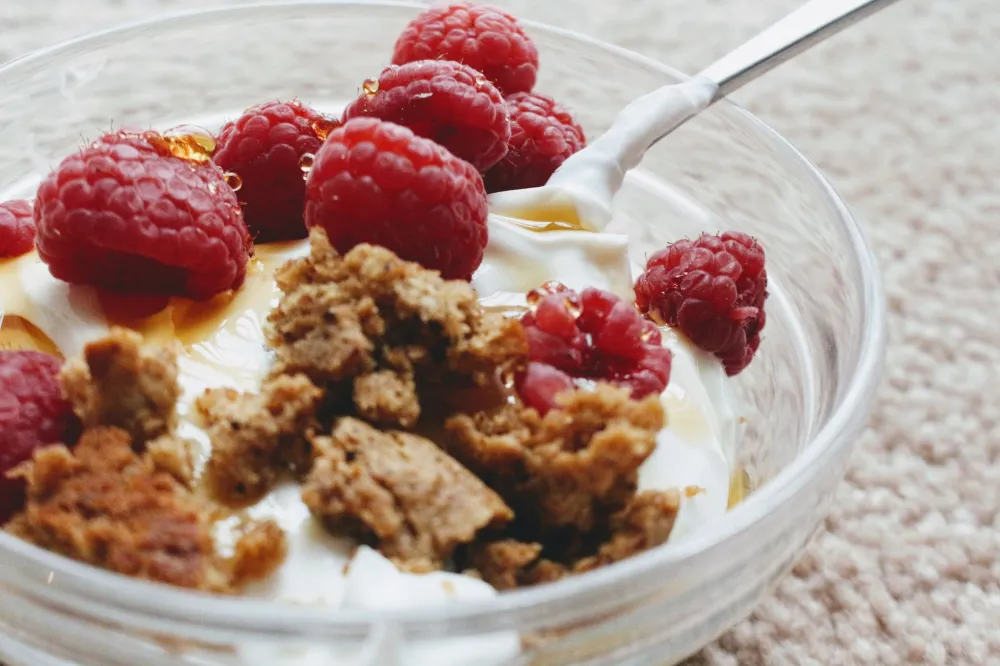
- Plan the fast-breaker: Choose one go-to first meal, like Greek yogurt with raspberries and chia, or eggs with spinach and toast.
- Prep one thing: Cook a batch of chicken, lentils or brown rice on the weekend. These ideas for meal prep for busy weeks keep it from eating your whole Sunday.
- Track two weeks: Note your hunger and energy in a free intermittent fasting tracker so you can see what’s working.
What to expect in the first two weeks
Hunger often spikes at your old mealtimes during the first week, usually mid-morning. For a lot of people, that eases as the body adjusts, often somewhere in the second week. Headaches or irritability can show up early too, and drinking enough water often helps. If you feel dizzy, shaky or faint, eat something and rethink your fasting window rather than pushing through.
How Can You Adjust the List for Budget or Diet?
You can adapt this list by swapping foods within the same group: frozen for fresh, canned fish for fillets, beans or tofu for meat. The goal stays the same, a protein source plus fiber at each meal, so the swaps rarely change how full you feel.
| Your need | Swap this | For this | Why it works |
|---|---|---|---|
| Tight budget | Salmon fillets | Canned tuna or salmon | Similar protein, lower cost |
| Tight budget | Fresh berries | Frozen berries | Same fiber, less waste |
| Vegetarian | Chicken breast | Lentils plus Greek yogurt | Protein and fiber together |
| Vegan | Greek yogurt | Firm tofu or soy milk | Keeps protein steady |
| Small appetite | Large salads | Eggs with avocado toast | More fuel per bite |
| Higher protein goal | Cereal breakfast | Cottage cheese and fruit | About 12 g protein |
Portion sizes matter more as you age or train harder. Muscle is easier to lose than to rebuild, so many dietitians suggest spreading protein across your meals instead of saving it all for dinner. Our high protein foods chart lists more options if you run out of ideas.
Women in midlife may want a gentler start, such as a 12- or 14-hour fast. This intermittent fasting plan for women over 50 pairs well with the list above.
Common Intermittent Fasting Grocery List Mistakes
The biggest mistake is shopping for the fast and forgetting the food. A cart full of black coffee and sparkling water won’t feed you at noon, and a hungry first meal is exactly when the drive-thru wins.
Watch for these other slip-ups:
- Skipping protein at the first meal: Breaking a fast with only fruit or a pastry often leads to hunger returning fast.
- Buying “fasting” products: Special bars, powders and drops aren’t needed. Ordinary groceries do the job for less money.
- Treating the eating window like a buffet: Fasting doesn’t cancel out calories. Two big balanced meals beat nonstop grazing.
- Forgetting fiber: Beans, berries and vegetables help with fullness and regularity, and many Americans already fall short on fiber.
- Too many “moderate” foods: Nuts, oils and peanut butter are healthy, but their calories add up fast in a short eating window.
Myth: you need a creamer-free, sweetener-free life forever. Fact: those rules apply to fasting hours. Inside your eating window, a splash of milk in your coffee fits into a balanced diet.
Who Should Check With a Doctor First?
Anyone with diabetes, a history of disordered eating, pregnancy or breastfeeding, or who takes medicine that affects blood sugar or blood pressure should talk with a doctor or registered dietitian before trying intermittent fasting. Major medical centers, such as the Mayo Clinic, generally caution that fasting isn’t a fit for everyone.
Get personal guidance first if any of these apply to you:
- Blood sugar medicines: Insulin and some diabetes drugs can cause dangerous lows when meals are skipped. Never change doses on your own.
- Eating disorder history: Strict eating rules can trigger old patterns.
- Pregnancy or breastfeeding: Your needs are higher, so ask your doctor.
- Teens, older adults or people with kidney, heart or other chronic conditions: Fasting may not be appropriate without supervision.
Unexplained weight loss, chest pain, trouble breathing, fainting or severe weakness deserve prompt medical care, not more fasting. For a balanced look at the trade-offs, read our guide to intermittent fasting pros, cons and who should skip it.
What Does the Research Say About Intermittent Fasting?
Research suggests intermittent fasting can help some people lose weight, mostly because a shorter eating window makes it easier to eat less, not because of special metabolic magic. Intermittent fasting is an eating pattern that cycles between set hours of eating and fasting, such as 16 hours off and 8 hours on.
Several randomized trials, where people are randomly assigned to different diets, have found that time-restricted eating leads to weight loss similar to standard calorie counting when total calories are matched. Some studies also report modest improvements in insulin sensitivity, meaning how well your body responds to insulin, the hormone that moves sugar out of your blood. The results are mixed, though, and many of these studies are small and short.

Long-term safety is less clear. An observational analysis presented at an American Heart Association meeting linked an 8-hour eating window with higher cardiovascular death risk. It was a preliminary conference report, relied on people’s own diet recall, and can’t show cause and effect. Harvard Health has also pointed out that food quality still matters regardless of meal timing.
The research doesn’t back up two popular claims: that “fasting-friendly” packaged products work better than regular food, or that fasting lets you eat anything during the eating window without consequences. The quality of what’s on your intermittent fasting grocery list is likely to matter as much as the clock.
FAQ
The Bottom Line
A good intermittent fasting grocery list is mostly a normal healthy list, built around protein and fiber so your eating window actually keeps you full. Start by planning one reliable fast-breaking meal, then circle a few foods from each group above. Keep fasting hours to zero-calorie drinks and measure the calorie-dense extras. If you have a health condition or take medication, check with your doctor before you change when you eat.
This article is for informational purposes only and is not a substitute for professional medical advice, diagnosis, or treatment. Always consult a qualified healthcare provider about your specific situation. If you experience severe or sudden symptoms, seek medical care immediately.

Weight Loss and Nutrition
Browse every related article on this topic in one place.