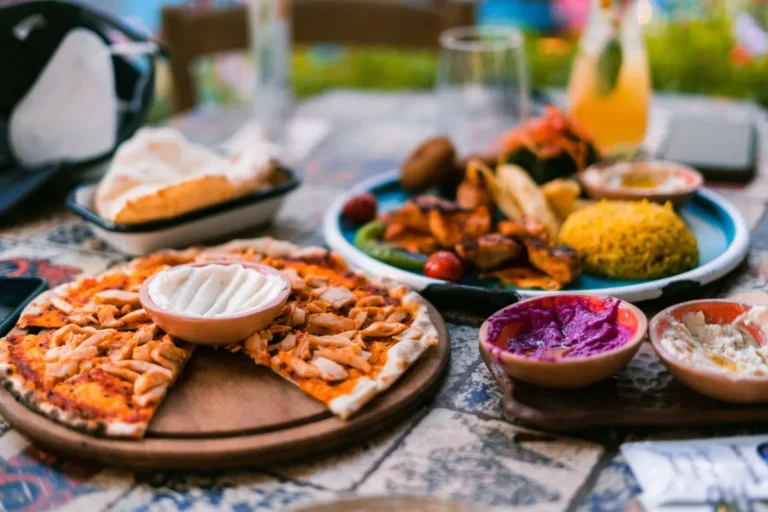


If you’ve ever felt woozy at 11 AM and ravenous by dinner, the problem may be the plan, not your willpower. Much fasting advice is not tailored to women in midlife, and a gentler overnight fast with plenty of protein may be easier to sustain and better at protecting muscle.
- Your 7-Day Intermittent Fasting Plan for Women Over 50
- How Do You Use This Plan Week to Week?
- How Can You Adjust the Plan for Your Life?
- What Mistakes Make Fasting Harder After 50?
- Who Should Talk to a Doctor Before Fasting?
- What Does the Research Say About Fasting After Menopause?
- FAQ
- The Bottom Line
Intermittent fasting is an eating pattern that limits food to a set window each day, sometimes called time-restricted eating. This version keeps most of the fasting overnight while you sleep. It builds every meal around protein and fiber, and it still lets you sit down to a normal family dinner.
Your 7-Day Intermittent Fasting Plan for Women Over 50
Start with a 12-hour overnight fast and stretch to 14 hours only if you feel good. Water, black coffee and plain tea are fine during fasting hours.
Daily Eating Window Schedule
| Day | Eating window | Overnight fast | Tip |
|---|---|---|---|
| Monday | 7 AM to 7 PM | 12 hours | Kitchen closes after dinner |
| Tuesday | 7 AM to 7 PM | 12 hours | Notice true hunger cues |
| Wednesday | 8 AM to 7 PM | 13 hours | Push breakfast back one hour |
| Thursday | 8 AM to 7 PM | 13 hours | Prep Friday lunch tonight |
| Friday | 8 AM to 6 PM | 14 hours | Earlier dinner, then herbal tea |
| Saturday | 8 AM to 7 PM | 13 hours | Flexible social day |
| Sunday | 8 AM to 6 PM | 14 hours | Review the week, plan next |
Week 1 Meal Plan
Aim for a palm-sized portion of protein at every meal, with vegetables filling about half the plate.
| Day | Breakfast | Lunch | Dinner | Snack |
|---|---|---|---|---|
| Monday | Greek yogurt, berries, walnuts | Turkey hummus whole-grain wrap | Salmon, broccoli, quinoa (cook extra) | Apple with peanut butter |
| Tuesday | Veggie egg scramble, whole-grain toast | Leftover salmon quinoa bowl | Chicken stir-fry, brown rice | Cottage cheese with pineapple |
| Wednesday | Overnight oats with milk, chia | Lentil soup, side salad | Turkey and bean chili | Almonds and a clementine |
| Thursday | Spinach feta egg muffins | Leftover turkey chili | Sheet-pan chicken, sweet potato | Greek yogurt with cinnamon |
| Friday | Cottage cheese, berries, flaxseed | Tuna salad on greens, crackers | Shrimp tacos, cabbage slaw | Hummus with carrot sticks |
| Saturday | Veggie omelet, fruit | Chickpea feta salad | Lean steak or tofu, veggies | Edamame, lightly salted |
| Sunday | Whole-grain pancakes, yogurt topping | Black bean veggie quesadilla | Roast chicken, potatoes, salad | Pear with cheese stick |
Grocery List: Proteins
Amounts are approximate for one person. Frozen and canned options work just as well.
| Item | Amount (approx.) | Used on |
|---|---|---|
| Eggs | 1.5 dozen | Tue, Thu, Sat |
| Plain Greek yogurt | Two 32 oz tubs | Mon, Thu, Sun |
| Cottage cheese | 16 oz tub | Tue, Fri |
| Salmon fillets | About 12 oz | Mon, Tue |
| Chicken breasts or thighs | About 2.5 lb | Tue, Thu, Sun |
| Ground turkey | 1 lb | Wed, Thu |
| Frozen shrimp | 12 oz bag | Fri |
| Canned tuna | 2 cans | Fri |
| Sliced deli turkey | 8 oz | Mon |
| Lean steak or firm tofu | About 12 oz | Sat |
Grocery List: Produce
Buy the sturdy vegetables early in the week, and save the softer greens for Wednesday and Friday.
| Item | Amount (approx.) | Used on |
|---|---|---|
| Berries, fresh or frozen | 2 bags | Mon, Fri |
| Apples and pears | 3 apples, 2 pears | Mon, Sun |
| Clementines | 1 small bag | Wed |
| Pineapple chunks | 1 can or cup | Tue |
| Broccoli | 2 heads | Mon, Tue |
| Spinach | 1 large bag | Tue, Thu |
| Salad greens | 1 large box | Wed, Fri, Sun |
| Bell peppers | 3 | Tue, Sat |
| Carrots | 1 bag | Fri |
| Cabbage slaw mix | 1 bag | Fri |
| Sweet potatoes | 2 | Thu |
| Green beans | 1 lb | Thu |
| Onions and garlic | 2 onions, 1 bulb | All week |
| Small potatoes | 1.5 lb | Sun |
Grocery List: Grains and Pantry
Whole grains add fiber, which may help you feel full for longer.
| Item | Amount (approx.) | Used on |
|---|---|---|
| Whole-grain wraps | 1 pack | Mon |
| Whole-grain bread | 1 loaf | Tue |
| Rolled oats | 1 small canister | Wed |
| Quinoa | 1 bag | Mon, Tue |
| Brown rice | 1 bag or pouches | Tue |
| Canned beans and chickpeas | 4 cans | Wed, Sat, Sun |
| Lentil soup or dry lentils | 2 cans or 1 bag | Wed |
| Canned diced tomatoes | 2 cans | Wed |
| Corn tortillas | 1 pack | Fri, Sun |
| Whole-grain crackers | 1 box | Fri |
| Whole-grain pancake mix | 1 small box | Sun |
Grocery List: Dairy and Extras
Fortified milk or soy milk adds calcium, a nutrient that matters more after 50.
| Item | Amount (approx.) | Used on |
|---|---|---|
| Milk or fortified soy milk | Half gallon | Wed, coffee |
| Feta cheese | 6 oz | Thu, Sat |
| String cheese sticks | 1 pack | Sun |
| Hummus | 1 tub | Mon, Fri |
| Peanut butter | 1 jar | Mon |
| Walnuts and almonds | 1 small bag each | Mon, Wed |
| Chia and ground flaxseed | 1 small bag each | Wed, Fri |
| Frozen edamame | 1 bag | Sat |
| Olive oil | 1 bottle | All week |
| Cinnamon and spices | As needed | Thu, all week |
| Herbal tea, sparkling water | 1 box, 1 pack | Fasting hours |
Daily Reminders
- Drink water through the day, including during fasting hours.
- Stop and eat if you feel dizzy, shaky or faint.
- Keep fasting to 14 hours or less on this plan.
- Add a short walk or a light strength session most days.
Want more? Browse all our free printables: meal plans, food lists, trackers and challenges, each with a PDF.
How Do You Use This Plan Week to Week?
Print it, shop from the grocery tables on the weekend, and follow the eating windows as written for one week before changing anything. The first two days should feel close to your normal routine, since the plan eases you in.
- Pick your anchor meal: Decide whether breakfast or dinner matters more to you. If you love a family dinner at 7 PM, slide your whole window later instead of skipping that meal.
- Prep twice: Cook extra salmon and quinoa on Monday and a pot of chili on Wednesday. Those leftovers cover two lunches and keep you out of the 1 PM drive-through line.
- Eat enough in your window: The goal is a shorter eating period, not tiny meals. Finish each one feeling comfortably full.
- Track how you feel: Jot down energy, sleep and hunger each day. Our free printable intermittent fasting tracker pairs well with this plan.
- Decide on week two: If the 14-hour days felt fine, repeat them. If they didn’t, stay at 12 or 13 hours. That still counts.

Here’s the thing: a 12-hour overnight fast is a perfectly reasonable place to stay. For many people, the biggest win is simply ending late-night snacking in front of the TV. If you want other window options, our intermittent fasting schedule printable lays out several common patterns side by side.
How Can You Adjust the Plan for Your Life?
You can swap proteins, shift the eating window and scale portions without losing the core idea: protein at every meal, plenty of plants and a gentle overnight fast. The table below helps you match the plan to your budget, diet and schedule.
| Your situation | Easy swap | Why it helps |
|---|---|---|
| Tight budget | Eggs, canned tuna, dry beans | Cheap protein, long shelf life |
| Vegetarian | Tofu, lentils, tempeh, eggs | Keeps protein steady |
| Small appetite | Add a third snack | Easier to meet protein needs |
| Night shifts or late dinners | Shift window three hours later | Fast length matters, not clock |
| Heavy exercise days | Use a 12-hour fast | More time to refuel |
| Poor sleep or hot flashes | Lighter, earlier dinners | May ease nighttime discomfort |
Portion sizes depend on your height, activity level and goals. A handy rule of thumb: a palm of protein, a fist of whole grains or starchy vegetables, half a plate of vegetables and a thumb of healthy fat. If you want to compare protein sources, our high protein foods chart lists common options with approximate amounts.
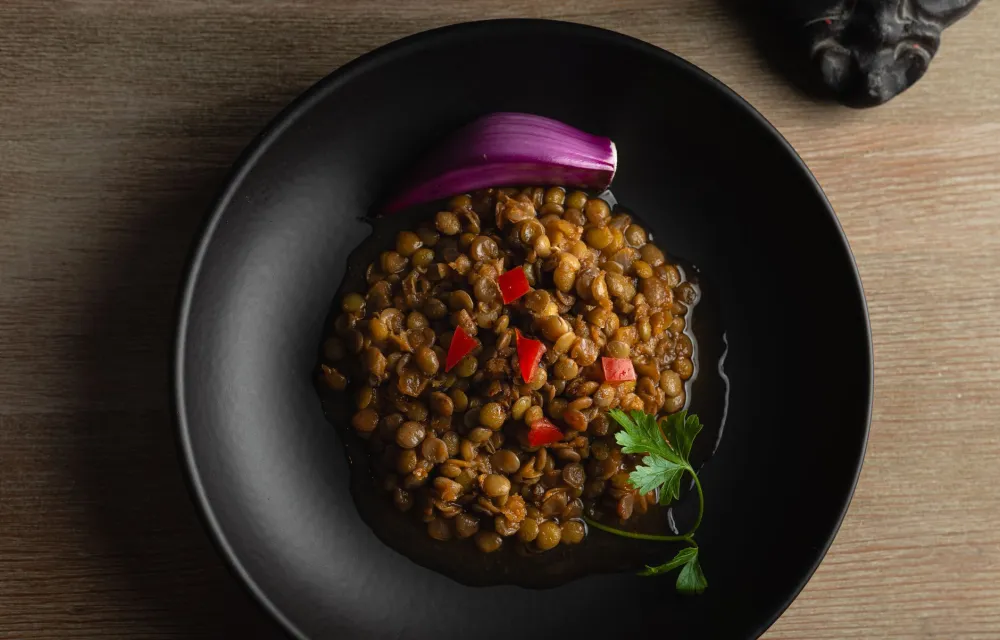
Thanksgiving, birthdays and brunch with friends will happen. On those days, keep your 12-hour fast or skip it entirely, then pick the plan back up the next morning. One flexible day won’t undo a week of steady habits.
What Mistakes Make Fasting Harder After 50?
The most common mistakes are fasting too long too soon, eating too little protein inside the window and skipping strength training. Each one can leave you tired and hungry, and over time it may cost you muscle you’d rather keep.
After about age 50, women tend to lose muscle and bone more quickly, partly because estrogen drops during menopause. MedlinePlus explains this age-related muscle loss, called sarcopenia, in plain terms. That’s why any intermittent fasting plan for women over 50 should protect muscle, not just shrink meal times.
- Jumping straight to 16:8: Going from three meals plus evening snacks to a 16-hour fast often leads to headaches and rebound eating.
- Coffee as breakfast: Black coffee is fine while fasting, but a coffee-only morning followed by a light salad leaves big protein gaps.
- Forgetting calcium: According to the NIH, women over 50 need about 1,200 mg of calcium a day. Yogurt, cottage cheese, fortified milk and canned salmon can help.
- Ignoring sleep: Short, broken sleep tends to raise next-day hunger, and that makes any fast feel harder.
- Skipping weights: The CDC recommends muscle-strengthening activity at least two days a week for adults, and it helps you hold on to muscle.
Not sure where to start with resistance work? Our guide to strength training vs cardio for weight loss explains why lifting matters so much in midlife.

Who Should Talk to a Doctor Before Fasting?
Anyone with a chronic health condition, anyone taking daily medication and anyone with a history of disordered eating should check with a doctor or registered dietitian before trying this plan. A short conversation can help you avoid problems like low blood sugar.
Fasting isn’t a fit for everyone. Guidance from Mayo Clinic generally urges caution for people with diabetes or a past eating disorder, so talk with a professional first if any of these apply to you:
- Diabetes or blood sugar medication: Some medicines can push blood sugar too low when meals are delayed. Our guide to intermittent fasting pros, cons and who should skip it covers this in more depth.
- Medications taken with food: Ask your pharmacist whether your timing needs to change.
- History of eating disorders: Rigid eating windows can trigger old patterns.
- Low weight, frailty or osteoporosis: Fewer eating hours may make it harder to get enough calories and protein.
- Heart or kidney conditions, or GLP-1 treatment: Your care team should weigh in on any eating schedule.
Some symptoms mean you should stop fasting and get care right away. Chest pain, trouble breathing, fainting, a sudden severe headache, numbness or weakness, or unexplained weight loss call for prompt medical attention, not a blog post. Persistent fatigue, dizziness or hair shedding also deserve a real evaluation.
What Does the Research Say About Fasting After Menopause?
Research suggests intermittent fasting can help some women lose weight, mostly because it helps them eat a bit less overall. The clock itself doesn’t seem to be doing the magic. Studies focused specifically on women over 50 are still small and short.
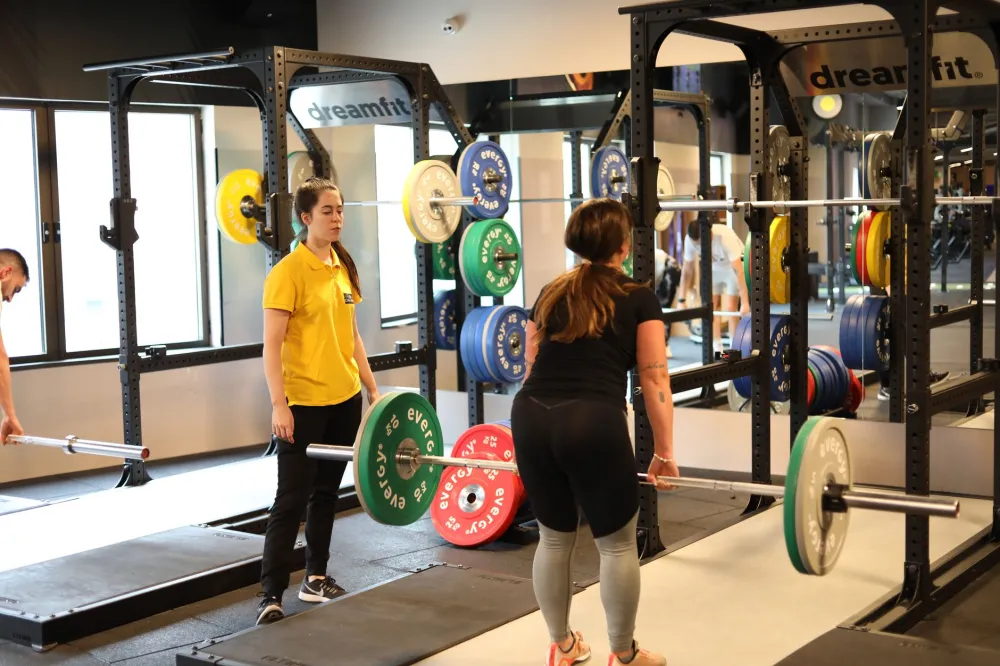
Several randomized trials, where people are assigned by chance to different diets, have compared time-restricted eating with ordinary calorie cutting. In many of them, both groups lost similar amounts of weight. A well-known trial published in the New England Journal of Medicine found that adding an eating window to calorie restriction did not clearly beat calorie restriction alone over a year.
Some studies hint at modest improvements in blood pressure, blood sugar or insulin sensitivity. Insulin sensitivity is how well your body responds to the hormone that moves sugar into your cells. Results vary, though, and it’s hard to separate the effect of fasting from the effect of weight loss.
What does seem consistent? People who like the structure tend to stick with it, and sticking with a reasonable plan is what drives results. If fasting makes you miserable, a Mediterranean-style eating pattern has strong long-term evidence too. Browse our women’s health guide for more midlife topics.
FAQ
The Bottom Line
The best intermittent fasting plan for women over 50 is a gentle one: a 12- to 14-hour overnight fast, protein at every meal and regular strength training. Print the 7-day plan, follow it as written for one week, and adjust the eating window to fit your sleep and family life. Stay at 12 hours if that feels best, because consistency beats intensity. Check with your doctor first if you take daily medication or manage a chronic condition.
This article is for informational purposes only and is not a substitute for professional medical advice, diagnosis, or treatment. Always consult a qualified healthcare provider about your specific situation. If you experience severe or sudden symptoms, seek medical care immediately.

Weight Loss and Nutrition
Browse every related article on this topic in one place.