

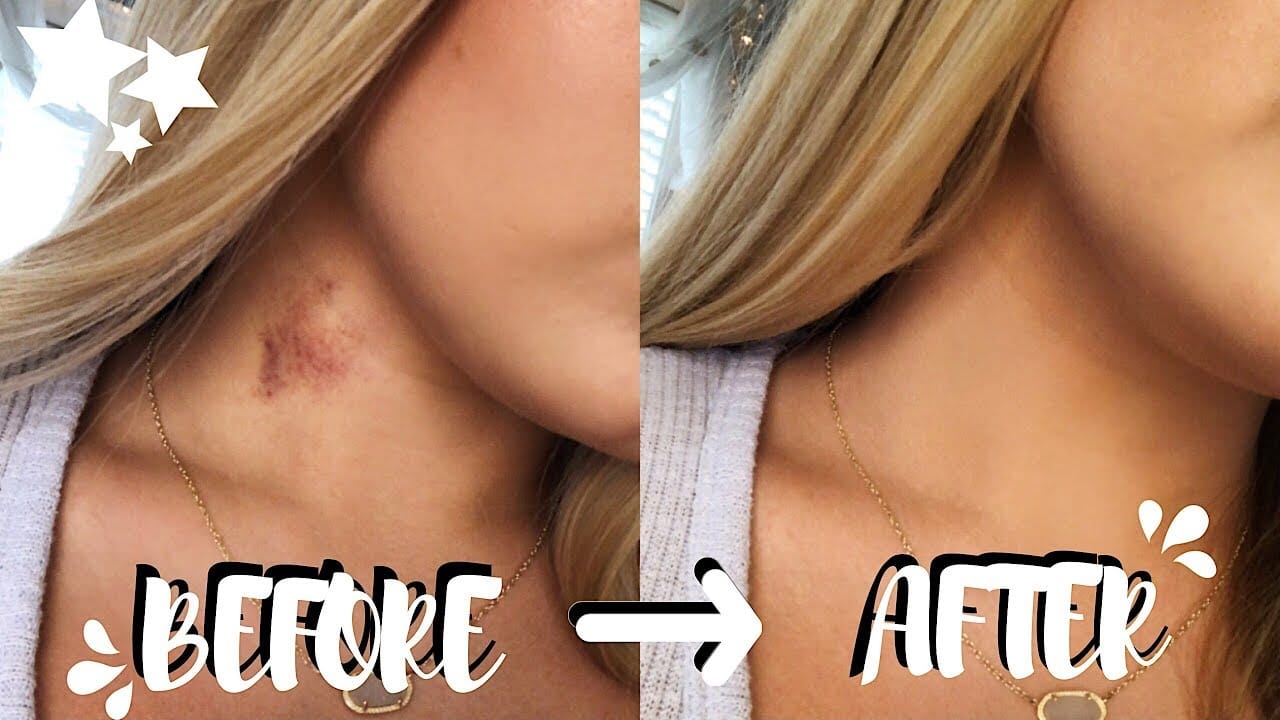
You spotted it in the mirror: a purple blotch on your neck, and now you need to know how to get rid of hickeys before anyone sees it.
Here’s the catch: a hickey is a bruise from tiny broken blood vessels, so no trick erases it in 5 minutes or overnight. Still, a few moves may help it fade faster and stay hidden while it heals, and this guide shows which ones work and which viral hacks backfire.
What Is a Hickey?
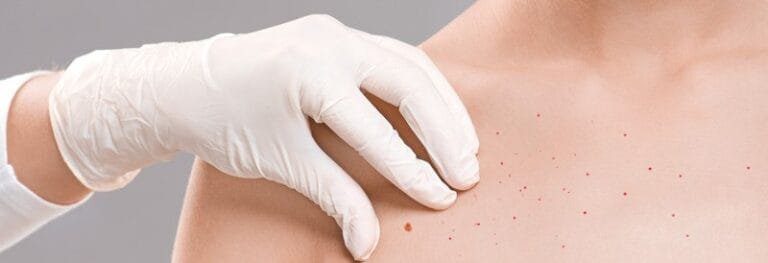
A hickey is a bruise. That’s all it is. Doctors call it a contusion, and it forms when suction pulls hard enough on your capillaries, the tiny blood vessels just under your skin, that some of them break.
The leaked blood has nowhere to go, so it gets trapped in the tissue beneath the surface. That’s why a hickey looks flat, doesn’t bleed and may feel a little tender when you press on it. Because the skin itself isn’t broken, there’s nothing to scrub away or “draw out” with a coin or a toothbrush, no matter what the internet says.
Why a hickey changes color as it heals
A fresh hickey usually looks red or purple. Over the next several days, your body slowly breaks down the trapped blood, and the mark often shifts toward blue, then green, then yellow before it fades. For many people, a typical hickey clears in about one to two weeks.
Here’s the catch for anyone hoping to erase one in 10 minutes: you can’t remove blood that’s already under the skin. You can only help your body clear it a bit faster, or make the mark less noticeable while it heals. That’s exactly what the rest of this guide covers.
Why the neck bruises so easily
The neck is the classic spot because the skin there is thin and the capillaries sit close to the surface. Hickeys on thicker skin, like the arm or chest, tend to look fainter.
Some people simply bruise more easily than others. If you take blood thinners or other medicines that affect clotting, or if your skin has thinned with age, you’ll usually get darker marks that last longer. One honest caveat: if you notice large bruises you can’t explain, or you bruise from very light pressure, that’s worth mentioning to your doctor.
Curious how bruises heal in general? Our guide on how to get rid of a bruise fast walks through the healing process step by step, and most of it applies to hickeys too.
How Long Do Hickeys Last?
Most hickeys fade within about one to two weeks. A hickey is simply a bruise: suction breaks tiny blood vessels under the skin, and the mark changes color as your body breaks down and reabsorbs the trapped blood.
| Stage | Typical timing | What you see |
|---|---|---|
| Fresh | First day or two | Red or pinkish red, sometimes slightly raised |
| Darkening | Days 2 to 5 | Purple, blue or dark red |
| Fading | Days 5 to 10 | Green or yellow tones as the blood breaks down |
| Nearly gone | Days 10 to 14 | Light yellow or brown, then normal skin |
Your own timeline depends on how strong the suction was and how easily your skin bruises. A faint pink mark may be gone in a few days. A deep purple one can hang on closer to two weeks, especially if you bruise easily or take a medicine that affects blood clotting, like a blood thinner.
So when should you stop waiting it out? If a mark is still clearly visible after two weeks, keeps getting bigger instead of smaller, or shows up alongside other bruises you can’t explain, have a doctor take a look.
Can You Get Rid of Hickeys in 5 or 10 Minutes?
No, and any video that says otherwise is stretching the truth. A hickey is a bruise: blood that has already leaked out of tiny vessels called capillaries and pooled under your skin. Nothing you rub on the surface can clear that blood in minutes. Your body has to break it down and reabsorb it, and that takes days.
So what’s going on in those “gone in 5 minutes” clips? Usually it’s a faint, fresh mark that was barely there to begin with, flattering lighting, or a layer of makeup doing the real work.
Here’s the good news. In the next 10 to 15 minutes you can’t erase a hickey, but you can keep it from getting darker and make it much harder for anyone to notice:
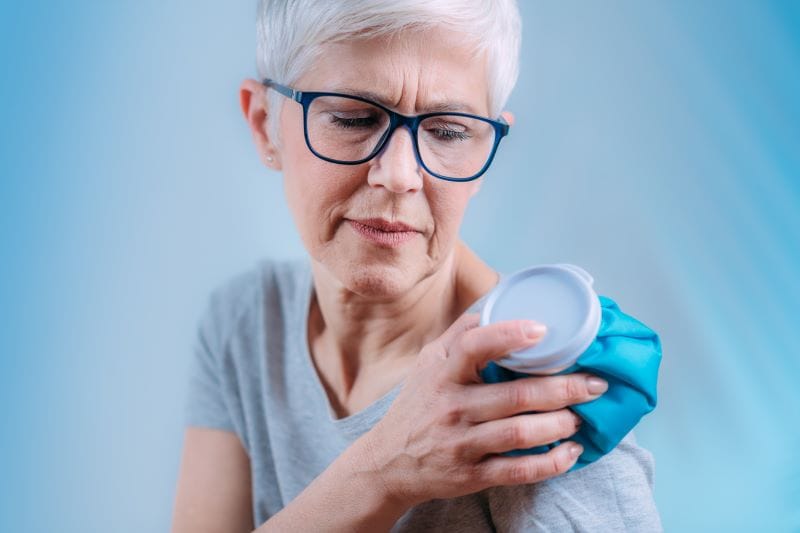
- Cool it right away: hold a cold pack or a spoon chilled in the fridge, wrapped in a thin cloth, on the mark for about 10 minutes. Cold narrows small blood vessels, which may limit how much more blood leaks out if the hickey is only a few hours old. Never put ice straight on bare skin, since that can irritate it or cause a mild cold burn.
- Keep your hands off it: skip the rubbing, scrubbing and popular “hacks” like pressing it with a coin or brushing it with a toothbrush. Pressure breaks more tiny vessels and can make the bruise bigger and darker.
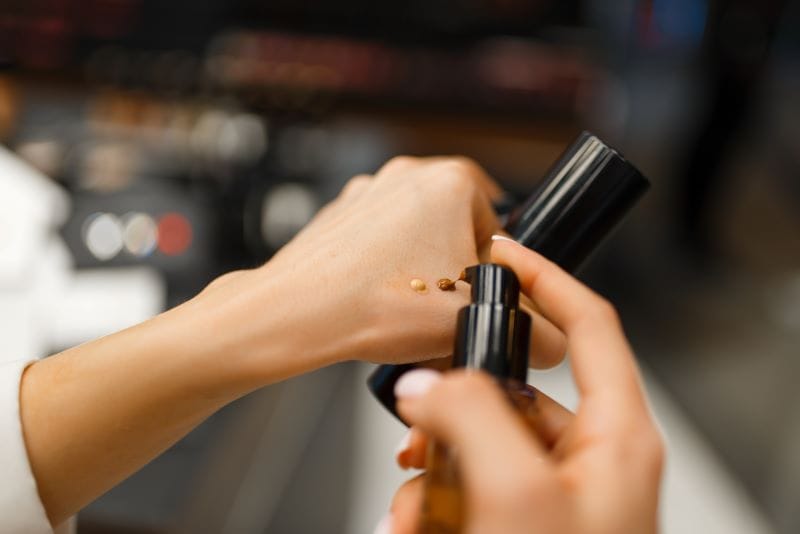
- Color correct, then conceal: a green corrector cancels out a red mark, while a peach or orange corrector cancels out purple or blue. Pat on a thin layer, cover it with a concealer that matches your skin, and set it with a little powder so it doesn’t rub off on your collar.
- Or just cover it: a collared shirt, a light scarf, a turtleneck or loose hair hides a neck hickey with no product at all.
Put those together and the math works out like this: ten minutes of cooling plus a few minutes of makeup gets most people to “nobody will notice” before school or work. That’s the realistic version of a 10-minute fix. The mark is still there. It’s just well hidden.
To actually lighten a hickey over the following days, switch from cold to gentle warmth after the first 48 hours, as explained below. Most hickeys start to fade within a few days and are gone within one to two weeks. If a mark hasn’t faded after about two weeks, gets more painful or swollen, or you notice bruises showing up without any clear cause, have a doctor take a look.
How to Get Rid of Hickeys: What Actually Helps
Here’s the truth nobody selling a “5-minute fix” wants to say: time does most of the work. A hickey is a bruise, so the steps below come from standard bruise care. They may shorten healing by a little or make the mark less obvious while your body cleans up.
And if you searched for a way to erase one in 10 minutes or overnight? No method makes a hickey vanish that fast. What you do in the first few hours still matters, though, so start there.
1. Cold compress in the first 24 to 48 hours
Cold makes blood vessels narrow, which can limit how much blood leaks out of the tiny broken ones (capillaries) under your skin. Less leaked blood usually means a smaller, lighter mark. This is the closest thing to a “fast” fix, and it works best when you start soon after the hickey appears.
Wrap an ice pack, a bag of frozen peas or a spoon chilled in the freezer in a thin cloth. Hold it on the spot for about 10 minutes, then take a break and repeat a few times a day. Never put ice directly on bare skin, because it can cause a cold burn.
2. Warmth after the first two days
Once the bleeding under the skin has stopped, the goal flips. Gentle warmth brings more blood flow to the area, which may help your body carry away the trapped blood that’s causing the color.
A warm (not hot) damp washcloth for 10 to 20 minutes, a few times a day, is plenty. Switching to heat too early can backfire. So hold off until day two or three.

3. Leave it alone
The internet is full of tricks that involve scraping a hickey with a coin, brushing it with a toothbrush or massaging it hard. Skip them. Rough handling can break more capillaries, making the mark bigger and darker, and it can irritate the skin on top.
Treat the area gently. Tight collars and scratchy scarves that rub all day aren’t doing you any favors either.
4. Give it time and look after yourself
Regular sleep, a balanced diet and drinking enough water all support normal healing. Vitamin C helps your body make collagen, a protein that keeps blood vessel walls sturdy, and vitamin K plays a role in blood clotting. Citrus, bell peppers, strawberries, spinach and kale cover both.
Extra supplements are another story. There’s no good evidence that they make a hickey fade faster in a healthy person, and supplements aren’t tightly regulated, so check with a pharmacist before adding one, especially if you take other medications.
One caveat: if a mark doesn’t fade after about two weeks, or you bruise easily from minor bumps without a clear reason, that’s worth a visit to your doctor.
5. Topical creams: possible but unproven
Vitamin K cream, arnica gel and aloe vera get recommended everywhere. A few small studies have tested vitamin K and arnica on bruises after cosmetic procedures, with mixed results. They’re unlikely to cause harm on unbroken skin, but don’t expect a dramatic difference.
What about Vaseline? Petroleum jelly can soothe dry or irritated skin, but there’s no evidence it lightens a hickey or speeds healing. Whatever you try, stop using it if your skin turns itchy or red.

Myths About How to Get Rid of Hickeys
Search “how to remove a hickey in 5 minutes” and you’ll find a parade of videos promising a clear neck before dinner. Most of those tricks do nothing. A few make the mark worse.
Here’s why. A hickey is a bruise: suction breaks tiny blood vessels called capillaries, and blood leaks into the skin. Nothing you rub on the surface can pull that blood back out. Your body has to break it down and clear it, which usually takes about one to two weeks.
Keep that in mind, and these viral “fixes” start to make sense as the duds they are.
- Scraping with a coin or comb: The idea is to “spread out” the pooled blood. In reality, firm scraping can break more capillaries and irritate thin neck skin, so you may end up with a bigger, redder, more obvious mark.
- Rubbing with a toothbrush: Same problem, different tool. Friction on a fresh bruise doesn’t speed healing, and it can leave the skin raw on top of the discoloration.
- Rubbing alcohol or toothpaste: Both can dry out and sting delicate skin without reaching the blood underneath. Minty toothpastes in particular may cause redness or a rash.
- Vaseline or petroleum jelly: It won’t fade a hickey. It can soothe skin that’s dry or irritated from scrubbing, but the color underneath stays the same.
- Banana peel, apple cider vinegar or peppermint oil: There’s no reliable evidence any of these work. Undiluted vinegar and essential oils can irritate skin and, in some cases, cause chemical burns.
- Eating pineapple: Pineapple contains bromelain, an enzyme that breaks down proteins, and some supplement studies suggest it may reduce bruising and swelling. A few slices of fruit won’t do much for a hickey, though it’s still a perfectly good snack.
So skip the scrubbing. Gentle beats aggressive every time with a bruise.
One more thing before you open the medicine cabinet. Aspirin and ibuprofen can affect how your blood clots, so taking them may make bruising a little worse. For minor soreness, acetaminophen is generally a gentler choice for bruises; ask a pharmacist if you’re not sure what’s right for you. And never stop a medicine your doctor prescribed, such as a blood thinner, without talking to them first. If you bruise easily or a mark hasn’t faded after a couple of weeks, that’s worth a check with your doctor.
How to Cover a Hickey While It Heals
You can’t erase a hickey on the spot. Got a work meeting or dinner with your parents tomorrow? Covering it is usually the fastest fix, and the best trick depends on the mark’s color right now.
- Green for fresh red marks: A green-tinted color corrector cancels out redness. Dab on a thin layer, let it set for a minute, then tap a skin-matching concealer over it.
- Peach or orange for purple: Once the mark darkens to purple or blue, peach usually works on lighter skin and orange on deeper skin.
- Lavender for yellow fading: Near the end, a lavender corrector can tone down a yellow-green tint.
- Clothing: Turtlenecks, high collars and light scarves hide the mark without putting any product on your skin.
- Hair: Wearing it down covers marks on the side or back of your neck.
Go gently. Rubbing irritates tender skin, so pat makeup on with a fingertip or damp sponge, and wipe it off softly at night.
If you break out easily, choose non-comedogenic products, meaning they’re made not to clog pores, so you don’t end up with a pimple on your lip or jawline as well.
Keep in mind that makeup hides a hickey but doesn’t speed healing. Most fade on their own within about one to two weeks. If one is very painful, keeps spreading or lingers longer, have a doctor take a look.
When to See a Doctor
Here’s the reassuring part: a hickey is just a bruise, and nearly every one fades on its own. A few medical case reports have linked forceful suction on the neck to a blood clot, but this is extremely rare. What matters is whether your mark is acting like a normal bruise.
A typical hickey shifts from red or purple to green, then yellow-brown, and fades within one to two weeks for most people. It shouldn’t get bigger, harder or more painful as the days go by.
Don’t wait those last symptoms out. A drooping face, arm weakness or slurred speech can signal a stroke, so call 911 right away.
Frequent or unexplained bruising can sometimes point to a blood clotting problem, a low platelet count (platelets are blood cells that help seal leaks) or a medicine side effect, such as from a blood thinner. A quick checkup can sort it out. Never stop a prescribed medicine on your own; ask your doctor or pharmacist first.
How to Lighten a Dark Hickey on Your Neck
Dark, deep-purple hickeys usually mean more blood leaked under the skin. You can’t speed up the cleanup much, but the order you do things in matters. This simple plan follows the same basic advice used for any minor bruise.
Expect the color to change as it heals: red or purple first, then bluish, then green or yellow near the end. That shift is a good sign. It means your body is breaking down the old blood.
Related reading: Hide a Hickey: Simple Makeup, Clothing and Quick Fixes.
FAQ
Can you get rid of hickeys overnight?
No. A hickey is trapped blood under the skin and your body needs days to clear it. Cold early on and warmth later may help a little, and concealer can hide it in the meantime.
Does the spoon trick work?
A cold spoon is just a small cold compress, so it can help in the first day or two. Pressing or scraping hard with the spoon will not help and may make the bruise worse.
Why are some hickeys darker than others?
Stronger or longer suction breaks more capillaries. Thin skin, paler skin, older age and some medicines also make bruises look darker or last longer.
Can a hickey leave a permanent mark?
Almost never. Very occasionally, in people with darker skin, a bruise can leave temporary darker patches (post-inflammatory hyperpigmentation) that fade over weeks to months. Under-eye darkness works differently, as our guide to under-eye circles explains.
Is a hickey a sign of a health problem?
No, but if you find you bruise very easily from small amounts of pressure, mention it to your doctor.
The Bottom Line
A hickey is a small bruise that usually fades on its own in one to two weeks. To get rid of hickeys faster, use a cloth-wrapped cold compress in the first day or two, switch to gentle warmth after that, and leave the skin alone. Skip coin scraping, toothbrush rubbing and harsh home remedies. Concealer or a high collar is the fastest way to deal with it while you wait, and any bruise that lingers, grows or comes with other bleeding deserves a doctor’s look.
This article is for general information and is not a substitute for advice from your doctor.
Sources
Medical disclaimer: This article is for general information only and is not a substitute for advice, diagnosis or treatment from a qualified health professional. If your symptoms are severe, sudden or getting worse, contact a doctor or emergency services.

Skin and Beauty
Browse every related article on this topic in one place.




Comments are closed.