Most sunscreen myths sound perfectly reasonable, which is exactly why they hang around. You skip SPF on a gray winter morning, trust the “SPF 15” printed on your foundation, or figure your skin tone has you covered. Years later, you’re staring at a dark spot and wondering where it came from. Here’s what dermatologists wish you’d stop believing, and what to do instead.
- Why Do Sunscreen Myths Stick Around?
- Do You Need Sunscreen on Cloudy Days?
- Does Darker Skin Need Sunscreen Too?
- Is SPF 100 Twice as Strong as SPF 50?
- Does One Morning Layer Last All Day?
- Are Chemical Sunscreens Dangerous?
- Will Sunscreen Cause Low Vitamin D?
- Does a Base Tan Protect You From Sunburn?
- Does Sunscreen Expire?
- Sunscreen Myths vs Facts: Quick Summary
- How Should You Apply Sunscreen Correctly?
- When Should You See a Dermatologist?
- FAQ
- The Bottom Line
Why Do Sunscreen Myths Stick Around?
Sunscreen myths survive because sun damage is slow and mostly invisible. You can’t feel ultraviolet A (UVA) rays hitting your skin. The wrinkles, brown spots and skin cancers they help cause can take years, or even decades, to show up.
Sunscreen is a product that absorbs or reflects ultraviolet (UV) radiation before it can damage your skin cells. Sun protection factor (SPF) measures how well a sunscreen blocks UVB, the shorter rays that mainly cause sunburn. The words “broad-spectrum” on a label mean the product also passed a test for UVA, the longer rays that reach deeper into the skin and drive much of the visible aging.
The stakes are real. According to the CDC, skin cancer is the most common cancer in the United States, and most cases are linked to UV exposure from the sun or tanning beds. Sun protection also matters for how your skin looks: a well-known randomized trial in Nambour, Australia, found that adults assigned to use sunscreen every day showed less visible skin aging over several years than people who used it only when they felt like it. That’s one reason dermatologists count daily SPF among the anti-aging basics that beat expensive creams.
So why do so many smart people still get it wrong? Blame marketing, old advice and a little wishful thinking. Let’s take the myths one at a time.

Do You Need Sunscreen on Cloudy Days?
Yes, you still need sunscreen on cloudy days. Clouds filter out some UV light, but plenty still reaches your skin. That’s why people burn on hazy afternoons when the air feels cool and nobody bothers with SPF.
We judge the sun by heat and brightness, and that’s the trap. UV doesn’t work that way. You can feel chilly and still be taking in a real dose.
Here’s the thing: the CDC suggests taking sun protection steps whenever the UV index is 3 or higher. Most weather apps show it right next to the temperature. A five-second glance tells you more than squinting out the window.
Winter doesn’t get a free pass. UVB is weaker in the colder months, but UVA stays fairly steady all year. Snow reflects UV back up at your face, and UV also gets stronger at higher altitudes, which explains the classic ski-trip goggle tan. If your skin also gets tight and flaky when temperatures drop, pairing SPF with the tips in our guide to fixing dry winter skin may help you cover both problems in one morning routine.
What about sitting by a window or driving?
Ordinary window glass blocks most UVB but lets a good amount of UVA through. Car windshields are usually made of laminated glass that blocks more UVA, while side windows often block less. Dermatologists have long noticed that some people who drive a lot show more sun damage on the side of the face closest to the driver’s window.
If your desk sits by a sunny window or you spend an hour a day commuting, daily sunscreen on your face, neck and the backs of your hands makes sense. Working in a windowless office and rarely stepping outside? Your need is much lower. That’s the honest answer, and it’s fine to adjust to your real day.
Does Darker Skin Need Sunscreen Too?
Yes, people with darker skin benefit from sunscreen too. Melanin, the pigment that gives skin its color, offers some natural protection against UV. It doesn’t block enough to prevent sun damage, uneven pigment or skin cancer.
The American Academy of Dermatology notes that skin cancer in people with skin of color is often diagnosed at a later stage, when it can be harder to treat. Part of the problem is this very myth. When people assume they’re not at risk, they’re less likely to check their skin or get a suspicious spot looked at.
One nuance is worth knowing. Acral lentiginous melanoma, a type of melanoma, tends to appear on the palms, the soles of the feet or under the nails, and it isn’t strongly tied to sun exposure. Sunscreen isn’t the whole story, so checking those less obvious spots matters for everyone.
Sun protection also helps with dark spots and melasma, the patchy brown discoloration that many people with medium and deep skin tones fight for years. Sunlight can make these patches darker and slower to fade. Many dermatologists suggest tinted mineral sunscreens containing iron oxides, which may offer extra help against visible light and tend to leave less of a white cast.

Is SPF 100 Twice as Strong as SPF 50?
No, SPF 100 isn’t twice as strong as SPF 50. The numbers don’t scale that way. Above SPF 30, each step adds only a little extra UVB protection in lab testing, and no sunscreen blocks 100% of UV rays.
The table below shows roughly how much UVB each common SPF level blocks when it’s tested in the lab, using a thicker layer than most people actually apply.
| SPF level | UVB blocked (approx.) | Real-world takeaway |
|---|---|---|
| SPF 15 | About 93% | Below the AAD’s recommended minimum |
| SPF 30 | About 97% | Solid daily choice for most |
| SPF 50 | About 98% | Good for long outdoor days |
| SPF 100 | About 99% | Tiny gain, easy false confidence |
So are high numbers pointless? Not quite. Most people put on far less sunscreen than the lab uses, so a higher SPF can make up for a thin layer. But that only helps if you reapply.
The real danger is psychological. Someone in SPF 100 may stay out all afternoon without reapplying, while someone in SPF 30 heads for the shade. Correct application beats a bigger number, every time.
Does One Morning Layer Last All Day?
No, one morning layer doesn’t last all day outdoors. Sweat, water, towels and touching your face all wear it down, and some filters break down in sunlight. The AAD recommends reapplying about every two hours outside, and right after swimming or heavy sweating.
Labels can help here. In the US, the FDA doesn’t allow sunscreens to be labeled “waterproof” or “sweatproof.” Products can say “water-resistant” for either 40 or 80 minutes, which tells you when to reapply after a swim.
On a typical office day, your routine can be simpler. Apply well in the morning, then reapply before a lunchtime walk or the afternoon school pickup. That covers most people.
Is the SPF in my makeup enough?
Probably not on its own. To get the SPF number printed on a foundation, you’d need to apply far more product than anyone actually wears. Treat makeup SPF as a bonus layer over real sunscreen, not a replacement. SPF powders and sticks make midday touch-ups easier, but it’s hard to apply enough with them, so think of them as backups.
Are Chemical Sunscreens Dangerous?
There’s no solid evidence that approved chemical sunscreens harm people when used as directed. Unprotected sun exposure, on the other hand, has well-documented harms. Some questions about absorption remain open, so mineral sunscreens are a reasonable pick if you’d rather play it safe.
Of all the sunscreen myths online, this one causes the most confusion, so here’s what we actually know. The FDA currently recognizes zinc oxide and titanium dioxide, the two mineral filters, as safe and effective. For most chemical filters, the agency has asked manufacturers for more safety data, partly because older testing rules never required it.
FDA studies found that some chemical filters, including oxybenzone, are absorbed into the bloodstream at levels high enough to trigger further testing. Absorption isn’t the same as harm, though, and the FDA has said people should keep using sunscreen. You may also remember headlines about aerosol sunscreen recalls. Those involved benzene contamination during manufacturing, not the sunscreen ingredients themselves.
If you’re choosing between the two types, here’s how they differ:
- Mineral sunscreens: Use zinc oxide or titanium dioxide, sit on top of the skin, and are often gentler for sensitive skin.
- Chemical sunscreens: Absorb UV light, usually rub in clear, and feel lighter under makeup.
- Hybrid formulas: Blend both types to balance texture and protection.
- Tinted mineral options: Reduce white cast and may add visible-light protection.
If your skin stings with most products, a fragrance-free mineral formula is usually the easiest place to start, especially while you’re repairing a damaged skin barrier.
Will Sunscreen Cause Low Vitamin D?
For most people, everyday sunscreen use doesn’t appear to cause vitamin D deficiency. Research suggests people who wear sunscreen in real life tend to keep similar vitamin D levels, partly because nobody applies it perfectly enough to block all UVB.
The AAD recommends getting vitamin D from food and supplements rather than unprotected sun exposure. Good sources include fatty fish like salmon and canned tuna, fortified milk or plant milks, fortified cereals and egg yolks.
Worried about your levels? Ask your doctor whether a simple blood test makes sense instead of guessing. Supplements aren’t tightly regulated in the US and can interact with some medications, so check with your doctor or pharmacist before you start one.
Does a Base Tan Protect You From Sunburn?
No, a base tan offers very little protection. A tan is your skin’s response to UV injury, and the protection it adds is roughly equal to a very low SPF, far below what dermatologists recommend.
This myth pops up every spring as people prep for beach trips. But the darkening is itself a sign that UV has damaged skin cells. Building a base tan is a bit like breaking a few small dishes to avoid dropping the whole stack.
Tanning beds aren’t a safer route. The World Health Organization’s cancer research agency classifies UV tanning devices as carcinogenic to humans, its highest-risk category. If you love a glow, self-tanner is the safer option. Just remember it doesn’t protect you from the sun unless it also contains SPF.
Does Sunscreen Expire?
Yes, sunscreen expires. The FDA requires sunscreens to stay at full strength for at least three years, so if a bottle has no expiration date, treat it as expired three years after purchase.
Heat speeds things up. A tube that cooked all summer in a hot car or beach bag may break down sooner. If yours has changed color, separated, or turned grainy or watery, toss it.
And here’s a gentle reality check: if you’re using the right amount, a standard bottle shouldn’t last anywhere near three years. That half-full tube in the drawer from last summer is a clue you’ve been applying too little.
Sunscreen Myths vs Facts: Quick Summary
Keep this handy for the next group chat or pool debate. Each row pairs a common belief with what the evidence supports and one simple action.
| Myth | Fact | What to do |
|---|---|---|
| Skip it when cloudy | UV passes through clouds | Check the UV index |
| No need indoors | UVA passes through windows | Wear SPF near windows |
| Dark skin is safe | Melanin protects only partly | Use SPF, check skin |
| SPF 100 is double | Gains above 30 are small | Apply enough of SPF 30+ |
| Once a day is enough | It wears off outdoors | Reapply every two hours |
| Makeup SPF is enough | You apply too little | Wear sunscreen underneath |
| Chemical filters are toxic | No proven harm as directed | Pick any you’ll use |
| Sunscreen causes low vitamin D | Rarely in real life | Eat D-rich foods |
| Base tans protect | Tans signal skin damage | Skip tanning, use self-tanner |
| Sunscreen never expires | Full strength about three years | Check dates, toss old tubes |
One more claim doesn’t hold up: sun protection pills. No supplement has been shown to replace sunscreen, so be skeptical of any capsule promising to stop sunburn.
How Should You Apply Sunscreen Correctly?
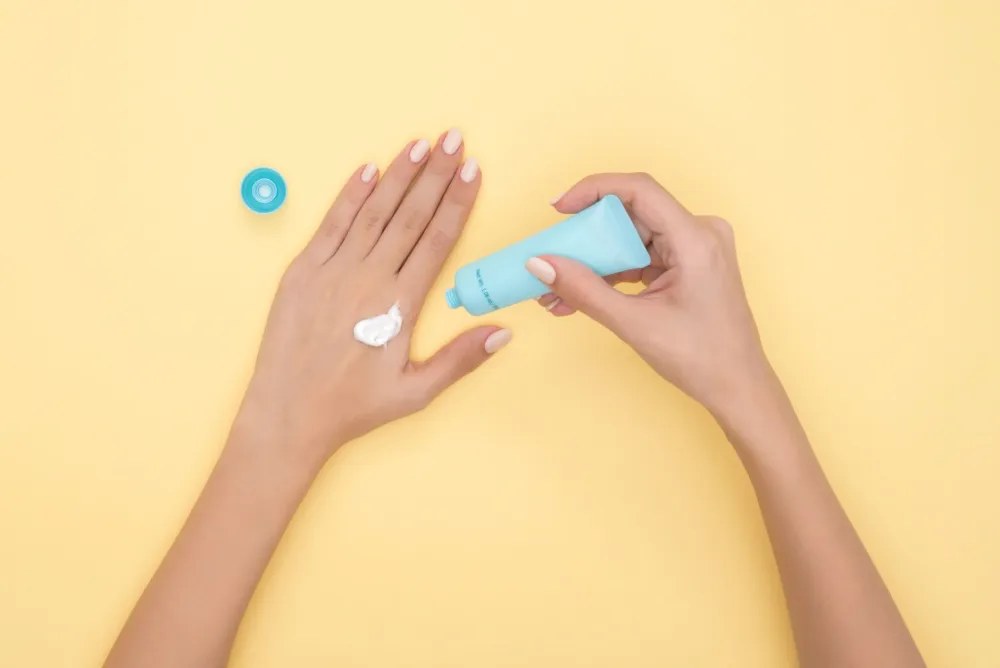
To apply sunscreen correctly, use a broad-spectrum SPF 30 or higher, put it on about 15 minutes before going outside, use enough to coat every exposed area, and reapply about every two hours outdoors. Most protection failures come from using too little or missing spots.

Here’s a simple routine that works on a rushed weekday and a full beach day alike.
Sunscreen works best as one layer in a larger plan. Clothing, hats and shade don’t wash off or rub away, which makes them great partners on long days at the ballpark or the lake.
When Should You See a Dermatologist?
See a dermatologist if a mole or spot is new, changing, bleeding, or just looks different from the rest. Skin cancers caught early are usually easier to treat, so don’t sit on it.
The American Academy of Dermatology teaches the ABCDEs of melanoma as a simple self-check:
- A for asymmetry: One half doesn’t match the other.
- B for border: Edges look ragged, blurred or uneven.
- C for color: Several shades of brown, black, red or blue.
- D for diameter: Larger than a pencil eraser, though melanomas can be smaller.
- E for evolving: Any change in size, shape, color or feeling.
Other reasons to book a visit include a sore that won’t heal, a rough or scaly patch that keeps coming back, or a dark streak under a nail. If sunscreen gives you an itchy rash every time, a dermatologist can help pin down which ingredient is the culprit. For more on everyday skin concerns, our skin and beauty guide is a good next stop.
Some situations shouldn’t wait. A severe sunburn with widespread blistering, fever, chills, confusion, dizziness or signs of dehydration deserves prompt medical care. Red-flag symptoms like chest pain, trouble breathing or sudden weakness mean seeing a doctor right away, not reading blogs.
FAQ
The Bottom Line
Most sunscreen myths come down to underestimating UV: it passes through clouds and windows, affects every skin tone, and wears off faster than one morning layer can handle. A broad-spectrum SPF 30 or higher, applied generously and reapplied about every two hours outdoors, beats an SPF 100 bottle applied once. Pick a formula you’ll actually enjoy wearing, mineral or chemical, and back it up with hats and shade. Start tomorrow by checking the UV index and the expiration date on your sunscreen, and see a doctor about any spot that changes.
This article is for informational purposes only and is not a substitute for professional medical advice, diagnosis, or treatment. Always consult a qualified healthcare provider about your specific situation. If you experience severe or sudden symptoms, seek medical care immediately.

Skin and Beauty
Browse every related article on this topic in one place.