

Why Does Skin Get So Dry in Winter?
Every October, like clockwork, your face starts to feel like paper. The tight, itchy, flaky sensation that shows up right around the time the heat kicks on is not just bad luck. There’s real biology behind it.
- Why Does Skin Get So Dry in Winter?
- What Changes in Winter That Hurts Your Current Routine?
- How to Rebuild Your Winter Skin Care Routine
- The Environmental Fixes That Most People Skip
- Winter Skin Care Myths Worth Dropping
- What to Expect in the First Two Weeks
- Body Skin Gets Forgotten Every Year
- When Should You See a Dermatologist?
- FAQ
- The Bottom Line
Your skin has a protective outer layer called the moisture barrier (also called the stratum corneum). Think of it as a brick wall, where skin cells are the bricks and natural oils and lipids are the mortar holding everything together. When air humidity drops below around 30 percent, that mortar starts to crack. Cold temperatures also slow down the production of the natural oils your skin makes, so the barrier gets hit from both directions at once.
Add indoor heating to the mix, and you have a triple threat. Forced-air heat is notoriously dry. The American Academy of Dermatology notes that indoor humidity during winter heating season can fall well below comfortable levels for skin, sometimes reaching the same dryness as a desert environment.
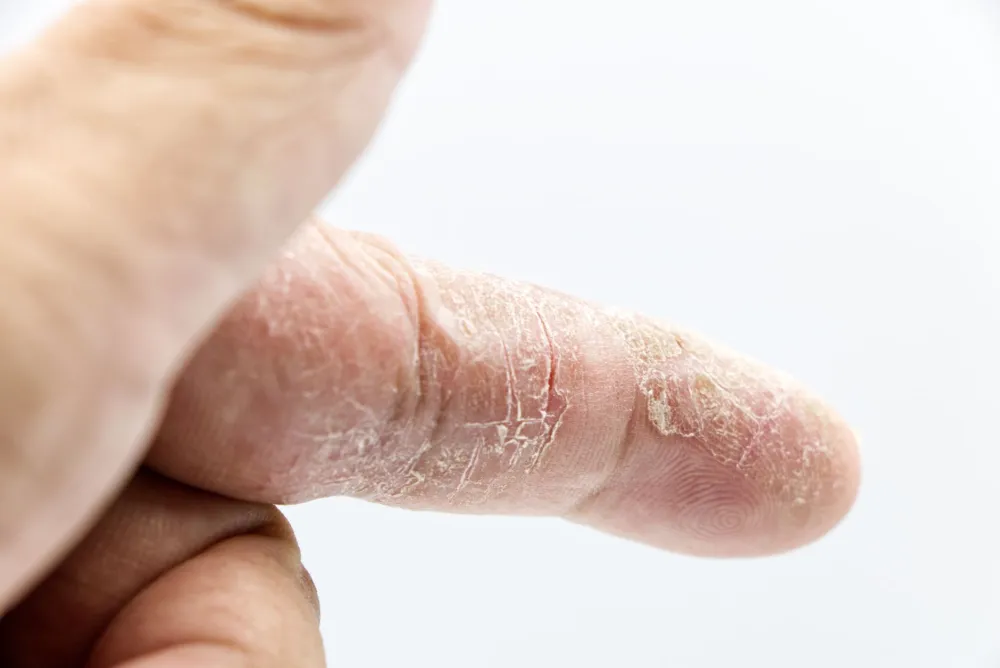
The result? Skin that feels tight after washing, flakes around the nose and forehead, looks dull, and may even crack or bleed at the corners of your lips or knuckles. For people with conditions like eczema (a chronic skin condition that causes inflamed, itchy patches) or psoriasis (a condition where skin cells build up into scaly patches), winter can push those conditions into full flares.
What Changes in Winter That Hurts Your Current Routine?
Here’s the thing: a routine that worked perfectly in July is often actively making things worse by December. Products formulated for oily summer skin can be genuinely too stripping for the same skin in winter.
Gel cleansers, foaming face washes, and alcohol-heavy toners are the biggest culprits. They’re great at cutting through summer sweat and sunscreen, but in winter they remove the last traces of oil your skin is desperately trying to hold onto. Lightweight gel moisturizers that felt refreshing in August may not create enough of a seal to prevent water loss when the air is dry and cold.
Transepidermal water loss, or TEWL, is the process by which water evaporates right through your skin into the surrounding air. This speeds up when the humidity around you drops. A thin moisturizer that’s mostly water can actually make this worse, because it adds moisture briefly but evaporates quickly and sometimes pulls a little more water out with it as it goes.
How to Rebuild Your Winter Skin Care Routine
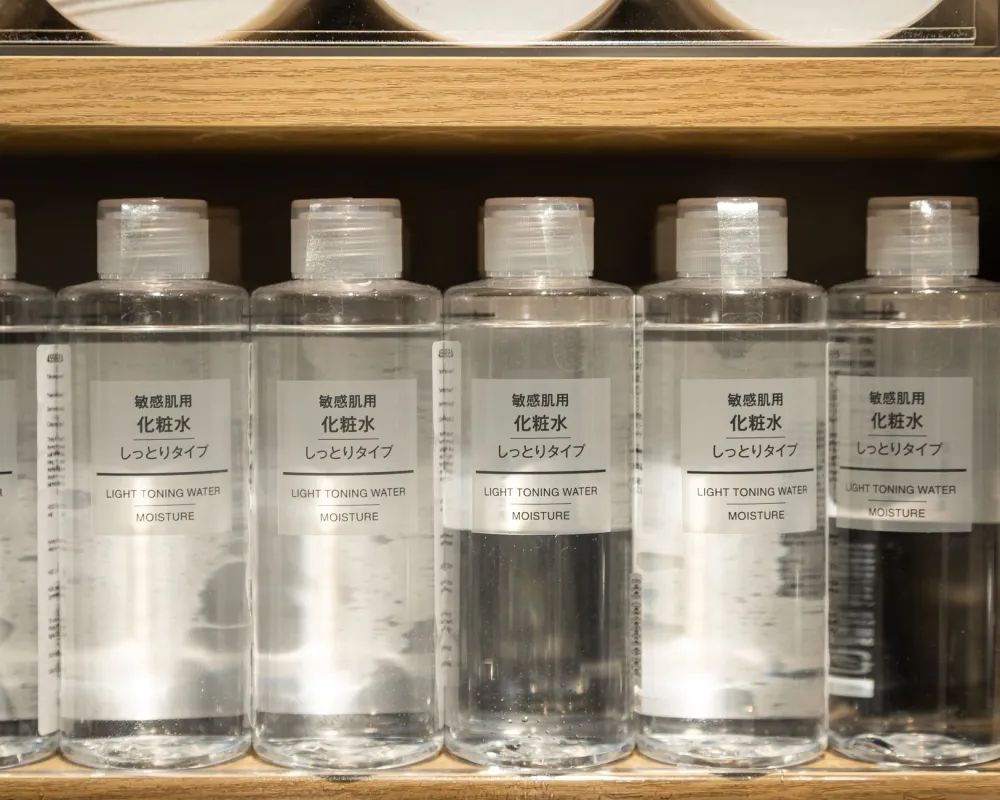
Rebuilding a routine for dry winter skin doesn’t mean throwing everything out and starting over. It means making four or five targeted swaps.
The Environmental Fixes That Most People Skip
Products can only do so much if the environment around you keeps pulling moisture out of your skin. Two changes outside your bathroom can make a real difference.
Run a humidifier. Adding a cool-mist humidifier to your bedroom can raise the humidity in that room to somewhere around 40 to 50 percent, which is a much more comfortable range for skin. You spend roughly a third of your life in that room, so it’s high-value real estate for moisture. A basic model from any home goods store typically runs under $40.
The other one is water temperature. Long, very hot showers feel incredible in January but are genuinely hard on your skin. Hot water dissolves skin oils faster than warm water does. The Mayo Clinic suggests keeping showers short (around five to ten minutes) and using lukewarm water rather than hot. It’s a small trade that your skin notices quickly.

Winter Skin Care Myths Worth Dropping
There’s a lot of noisy advice out there, and some of it is actively counterproductive. Here are the ones worth correcting.
| The Myth | What Research Actually Shows |
|---|---|
| “Oily skin doesn’t get dry in winter” | Oily skin can absolutely experience dehydration (lack of water) even while producing excess oil. They’re separate issues. |
| “Drinking more water clears up dry skin” | Staying hydrated supports general health, but topical moisture is what repairs the skin barrier. Water alone won’t fix surface dryness. |
| “Natural oils like coconut oil are the best fix” | Coconut oil works as an occlusive for some people, but it’s comedogenic (pore-blocking) for others and lacks ceramides for barrier repair. |
| “You need to exfoliate more to fix flakiness” | Over-exfoliating a dry, compromised barrier makes it worse. The flakes need moisture first, not more scrubbing. |
| “SPF is only for summer” | UVA radiation is present year-round regardless of clouds or temperature. Daily SPF is a year-round recommendation from dermatologists. |
The myth about exfoliation is worth sitting with for a moment. When skin is visibly flaking, the instinct is to scrub it off. But those flakes are usually a symptom of barrier damage, and a physical scrub or strong acid peel on top of that just creates more damage. The fix is barrier repair first, gentle exfoliation second, once or twice a week at most.
What to Expect in the First Two Weeks
Skin doesn’t transform overnight. But with consistent changes, here’s roughly what many people experience.
- Days 1-3: Skin may feel more comfortable after washing, less tight and stingy. This is the most immediate sign that your cleanser swap is working.
- Days 4-7: Surface flaking often starts to reduce. The barrier is beginning to hold onto more moisture.
- Week two: Skin tone may look more even and less dull. Fine lines that appear deeper in winter (often due to dehydration, not permanent aging) may look slightly less pronounced.
- Beyond two weeks: Ceramide-based products take consistent use to rebuild the barrier more fully. Research suggests it can take four to eight weeks of regular use to see significant barrier improvement.
Be patient with the process. The urge to pile on three new products at once is real, but introducing changes one at a time helps you figure out what’s actually working. Yes, this applies on weekends too, not just when you have a full ten-minute morning routine.

Body Skin Gets Forgotten Every Year
Face care gets all the attention, but your legs, arms, and hands are often in worse shape. Skin on the legs in particular has fewer oil glands than facial skin, making it more vulnerable to winter dryness.
The approach is the same: apply body lotion or cream within a few minutes of getting out of the shower, while skin is still damp. Look for formulas with ceramides, glycerin, or urea (a gentle ingredient that softens rough skin) rather than watery, fragrance-heavy lotions that evaporate fast. Hands need more frequent reapplication because washing and hand sanitizer strip them repeatedly throughout the day.
Lips are also skin. A simple occlusive lip balm with petrolatum or beeswax applied before bed can prevent the painful cracking that tends to show up around Thanksgiving and stick around until March. Licking your lips makes dryness worse, not better, because saliva evaporates and pulls moisture with it.
For anyone who also deals with skin changes driven by diet and overall health habits, the anti-aging basics that beat expensive creams covers a lot of the foundational lifestyle factors that support skin health year-round. And if you’re curious about how hydration levels affect your whole body, not just your face, the breakdown of how much water you really need daily is worth reading.
When Should You See a Dermatologist?
Most cases of dry winter skin respond well to routine adjustments within a few weeks. But some symptoms deserve a real medical evaluation, not just a new moisturizer.
See a dermatologist or your primary care doctor if you notice:
- Cracking and bleeding that doesn’t improve with consistent moisturizing after two weeks
- Intensely itchy, red, or inflamed patches that spread or disrupt sleep (this may be eczema or contact dermatitis, a skin reaction to something you’ve touched)
- Thick, silvery scales on elbows, knees, or scalp (possible psoriasis)
- Sudden or severe changes in skin texture or color that appear without an obvious cause
- Skin that doesn’t improve at all despite four or more weeks of consistent, appropriate care
The American Academy of Dermatology has a free “find a dermatologist” tool if you don’t already have one. Severe persistent dryness sometimes signals underlying conditions like hypothyroidism (an underactive thyroid gland) or nutritional deficiencies, which need a blood test to detect, not a product swap.
For more on building habits that support your skin and overall health from the inside out, the connection between stress and gut health is genuinely relevant here, because chronic stress affects cortisol levels, which in turn affects your skin’s ability to repair itself. It’s the kind of whole-body context that the team at Better Life Carez aims to cover alongside the product-level detail.
FAQ
The Bottom Line
Dry winter skin is a predictable, biology-driven reaction to cold air, indoor heat, and routines designed for a different season. The fix is not more products. It’s the right products, applied in the right order, in an environment with enough humidity to support your skin’s natural barrier. Swap your cleanser first, layer a humectant before a richer moisturizer, keep the SPF, dial back aggressive actives, and add a humidifier to your bedroom. Give the routine two full weeks before judging the results. If skin stays cracked, inflamed, or severely itchy despite consistent care, that’s the moment to get a professional involved, not a reason to buy another serum.
This article is for informational purposes only and is not a substitute for professional medical advice, diagnosis, or treatment. Always consult a qualified healthcare provider about your specific situation. If you experience severe or sudden symptoms, seek medical care immediately.
Keep exploring
- Anti-Aging Basics That Beat Expensive Creams
- How to Get Rid of Blackheads
- How Much Water Do You Really Need Daily?
This article is part of our Skin and Beauty guide, where you can browse every related topic in one place.