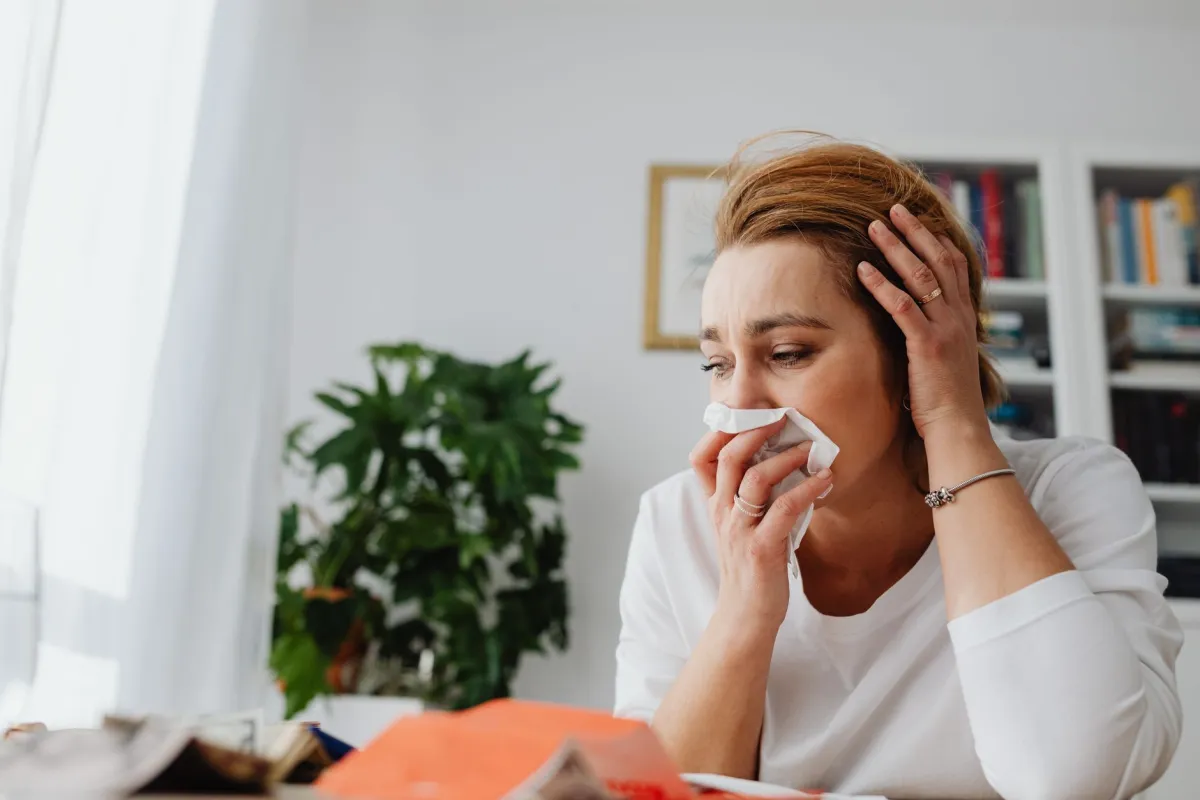
You wake up feeling off. Scratchy throat, maybe a little achy, and now you’re standing in the bathroom at 7 AM wondering: is this a cold, the flu, or COVID? The answer actually changes what you should do next.
- Why Getting This Right Actually Matters
- What Each Illness Actually Is
- Flu vs Cold vs COVID: Symptom Comparison
- How to Actually Confirm Which One You Have
- Common Myths About These Illnesses
- What to Do in the First 48 Hours
- Supporting Your Recovery at Home
- When Should You Actually See a Doctor?
- What About Long COVID and Lingering Illness?
- Preparing Before Illness Season Hits
- FAQ
- The Bottom Line
Why Getting This Right Actually Matters
Knowing which illness you’re dealing with isn’t just trivia. It shapes your treatment options, how long you should stay home, and whether antiviral medications might help. The flu, for example, responds to antivirals like oseltamivir (brand name Tamiflu) when taken within the first 48 hours of symptoms. COVID also has antiviral treatment options that must be started early. A common cold has no antiviral treatment at all, so your energy is better spent resting and staying hydrated rather than chasing a prescription.
There’s also a practical public health angle. All three illnesses spread through respiratory droplets and close contact, which means the people around you, especially older adults, young children, or anyone immunocompromised, can be affected by the choice you make about going to work or sending your kid to school.
What Each Illness Actually Is
The Common Cold
A cold is a viral infection of the upper respiratory tract, meaning your nose, throat, and sinuses. More than 200 different viruses can cause a cold, but rhinoviruses are the most common culprit, according to the CDC. Colds are most common in fall and winter, though they can pop up any time of year. They tend to be mild, and most healthy adults recover within 7 to 10 days.
Influenza (the Flu)
Influenza is a respiratory illness caused specifically by influenza A or B viruses. It’s in a completely different category from the cold. The flu is significantly more dangerous, causing hundreds of thousands of hospitalizations in the US most seasons. Symptoms are more severe, onset is faster, and complications like pneumonia are a real risk, particularly for adults over 65, young children, pregnant women, and people with chronic health conditions.
COVID-19
COVID-19 is caused by SARS-CoV-2, the coronavirus first identified in 2019. As of September 2026, it continues to circulate alongside flu and cold viruses during fall and winter respiratory illness seasons. The virus has produced many variants over the years, which partly explains why COVID symptoms can look so different from person to person. Some people get a mild cold-like illness; others develop significant respiratory symptoms or fatigue that lingers for weeks.
Flu vs Cold vs COVID: Symptom Comparison
This is the part you actually want. Here’s a side-by-side look at how the three illnesses typically present, keeping in mind that overlap is real and exceptions happen.
| Symptom | Cold | Flu | COVID-19 |
|---|---|---|---|
| Onset | Gradual | Sudden | Gradual to sudden |
| Fever | Rare or mild | Common, often high | Common |
| Body aches | Mild or none | Often severe | Mild to moderate |
| Fatigue | Mild | Severe | Moderate to severe |
| Runny/stuffy nose | Very common | Sometimes | Sometimes |
| Sore throat | Very common | Sometimes | Common |
| Cough | Mild | Common, can be dry | Common, often dry |
| Loss of taste/smell | Rarely | Rarely | More common |
| Headache | Rare | Common | Common |
| Typical duration | 7 to 10 days | 5 to 7 days (+ fatigue) | 5 to 14+ days, varies |
How to Actually Confirm Which One You Have
Symptoms alone can’t always give you a definitive answer. That’s the honest truth. But testing can.
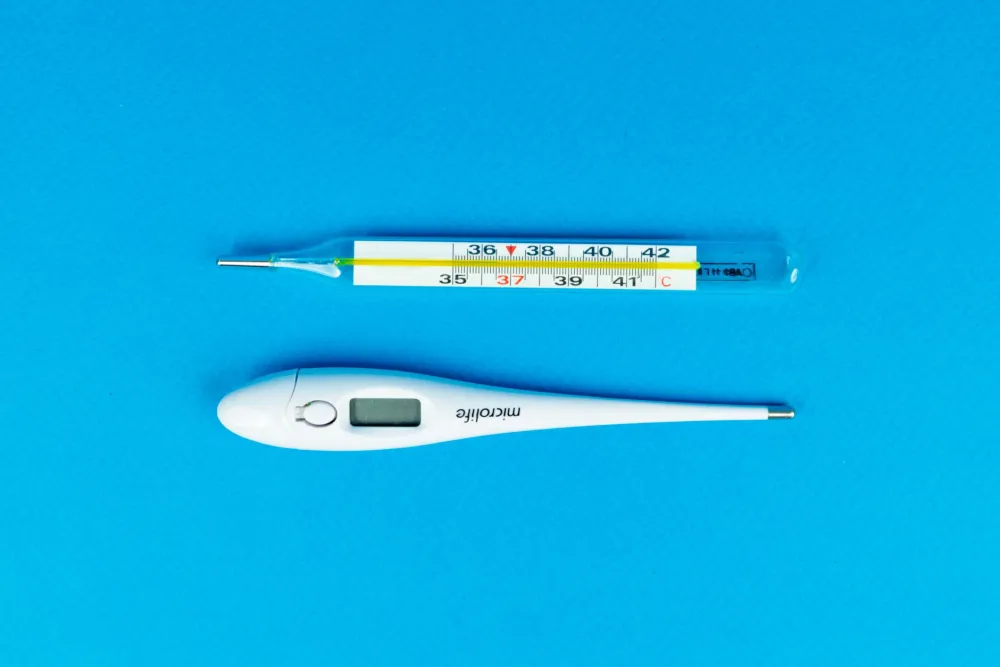
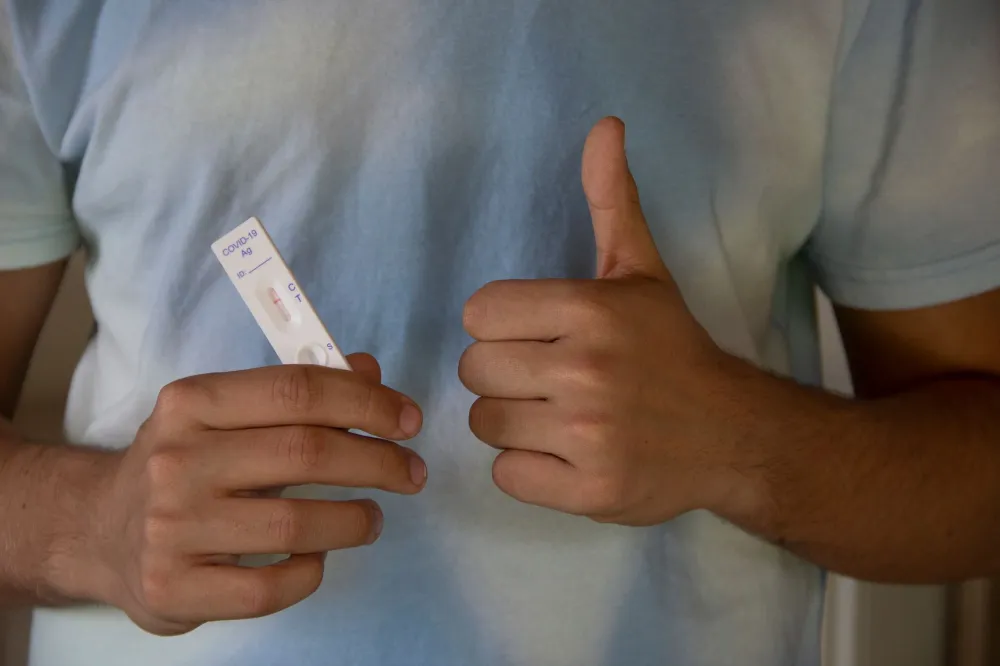
COVID-19 rapid antigen tests are available over the counter at most pharmacies and give results in 15 to 30 minutes. If you test negative but still feel sick, the CDC recommends testing again 48 hours later, since testing too early in the infection can produce a false negative.
Flu tests are usually done at a doctor’s office, urgent care clinic, or pharmacy. Rapid flu tests are quick, though they’re not always perfectly accurate, especially early in illness. If your provider suspects the flu, they may treat based on symptoms and timing without waiting for a test result.
There’s no routine at-home test for the common cold. With a cold, the diagnosis is typically based on what you’re experiencing, and the goal shifts to managing symptoms rather than confirming a specific virus.
Common Myths About These Illnesses
There’s a lot of noise out there. Here’s what the evidence actually says.
Myth: “I got a flu shot but still got the flu, so shots don’t work.” The flu vaccine reduces your risk of infection and, importantly, reduces the severity of illness if you do get sick. It doesn’t provide 100% protection because influenza viruses mutate, and the vaccine is updated each year to match the most likely circulating strains. According to the CDC, vaccination remains one of the most effective tools for preventing serious flu illness and related complications. Getting a flu shot early in the fall season, before the virus starts circulating widely, gives you the best protection.
Myth: “Antibiotics will help me recover faster.” They won’t. Antibiotics only treat bacterial infections. Colds, flu, and COVID are all viral. Taking antibiotics when you don’t need them contributes to antibiotic resistance and can disrupt your microbiome, the trillions of bacteria living in your gut that support your immune health. If you’re curious about how gut health connects to immunity, the gut health and microbiome guide on Better Life Carez offers a useful breakdown.
Myth: “If you’re not running a high fever, you’re not contagious.” All three illnesses can spread before you even feel sick, during what’s called the incubation period. With COVID, for example, people can be contagious for a day or two before symptoms appear. With a cold, you’re often most contagious in the first two to three days, sometimes before the sniffles even start.
What to Do in the First 48 Hours
The first two days matter most for treatment decisions. Here’s a practical sequence to work through.

Supporting Your Recovery at Home
None of these illnesses have a magic cure, but there are evidence-informed ways to support your body as it fights back. Rest is genuinely the most underrated one. Your immune system does its best work when you’re sleeping, which is why recovery can stall when you try to push through and stay active. Getting quality sleep matters year-round, and if your sleep habits could use a tune-up before illness season hits, the sleep hygiene habits guide is worth reading.
Nutrition matters too, though there’s no single food that “cures” a cold. Staying well-nourished, with plenty of whole foods and adequate protein, helps your body maintain its defenses. The same daily habits that support immune health before you get sick are worth building now, before fall illness season ramps up. The daily habits that genuinely support immunity offers a solid, research-grounded overview of those strategies.
Honey in warm water or tea may help soothe a sore throat. The Mayo Clinic notes it’s one of the better-supported home remedies for throat irritation in adults. Saline nasal rinses can relieve congestion. Steam from a hot shower can help temporarily. These won’t shorten your illness, but they may make the days more bearable.
When Should You Actually See a Doctor?
This matters most. Most cold and mild flu illnesses can be managed at home. But some symptoms are red flags that deserve a real medical evaluation, not just a Google search or another day of rest.
Seek medical care promptly if you experience any of these:
- Trouble breathing or shortness of breath: This can signal pneumonia or another serious complication.
- Chest pain or pressure: Never ignore this during a respiratory illness.
- Confusion or difficulty staying awake: This is an emergency. Call 911 or go to an emergency room.
- Persistent high fever (above 103°F / 39.4°C): Especially if it doesn’t respond to over-the-counter fever reducers.
- Symptoms that improve then suddenly get worse: This can indicate a secondary bacterial infection like pneumonia or sinusitis.
- No improvement after 10 days: For any illness that isn’t getting better, a doctor’s input is warranted.
Children, older adults, and anyone with underlying health conditions should have a lower threshold for seeking care. A call to your provider’s office or a telehealth visit can often help you figure out next steps without leaving the house.

What About Long COVID and Lingering Illness?
One genuinely important difference between COVID-19 and the other two illnesses is the documented risk of long-term symptoms, often called long COVID or post-acute sequelae of SARS-CoV-2 (PASC). This refers to symptoms that persist for weeks or months after the initial infection clears, including fatigue, brain fog, shortness of breath, and difficulty with exertion. According to the World Health Organization, long COVID affects a meaningful proportion of people who’ve had COVID-19, though estimates vary depending on the variant and vaccination status.
Long-term complications from the flu can occur too, including fatigue that lingers for weeks, but the pattern of prolonged multi-system symptoms seen with COVID appears to be distinct. This is one of the reasons COVID continues to be taken seriously even in 2026, even as it has settled into a more seasonal, endemic pattern.
The flu itself can also lead to serious downstream effects. For more on how the immune system responds to respiratory pathogens, the piece on how your body fights back against infections offers a useful look at the cellular mechanics involved.
Preparing Before Illness Season Hits
Fall is the right time to get ahead of all three. The flu vaccine is updated each year and is recommended for everyone 6 months and older by the CDC. COVID vaccines and updated boosters are typically available each fall as well, formulated to target the most recent variants. Staying current on both gives your immune system a meaningful head start.
Good hand hygiene, avoiding touching your face, and staying home when sick are still the most consistently effective non-vaccine tools for slowing the spread of all three illnesses. None of that is glamorous, but it works. If you want to go deeper into fall immune prep, the flu season prep guide covers the immune health angle in practical detail.
FAQ
The Bottom Line
Flu, cold, and COVID-19 share overlapping symptoms, but the patterns are different enough to provide real clues. A cold comes on slowly, stays mild, and lives mostly in your nose. The flu hits fast and hard with fever and body aches that make you want to stay horizontal. COVID can mimic either one, but tends to cause more fatigue, more frequent cough, and is the most likely to steal your sense of taste or smell. Test for COVID early, contact your doctor within 48 hours if you’re high-risk or symptoms are severe, and prioritize rest and fluids for all three. The Better Life Carez health library has practical, research-grounded guidance across all areas of everyday wellness.
This article is for informational purposes only and is not a substitute for professional medical advice, diagnosis, or treatment. Always consult a qualified healthcare provider about your specific situation. If you experience severe or sudden symptoms, seek medical care immediately.