You’ve got a glucose meter in the drawer, a stack of handouts on the counter, and a grocery list that still feels like a guessing game. Most diabetes meal advice gives you a lecture on insulin, a vague “eat more vegetables,” and then leaves you staring at the cereal aisle.
- Diabetic Friendly Food Chart: 42 Everyday Foods
- How Do You Use This Food Chart Day to Day?
- How Can You Adjust the Chart for Your Life?
- What Mistakes Do People Make With Diabetes Meal Charts?
- Who Should Check With a Doctor or Dietitian First?
- What Does the Research Say About Diabetes-Friendly Eating?
- FAQ
- The Bottom Line
Every number below comes from USDA FoodData Central, rounded and labeled approx. Each table lists the most useful everyday picks first. Print the chart for the fridge door, then use the guide underneath to make it fit your budget and your care plan.
Diabetic Friendly Food Chart: 42 Everyday Foods
Legend: values are approx. per serving, rounded, from USDA FoodData Central. g = grams. Best picks come first. About 15 g of carbs counts as one carb choice.
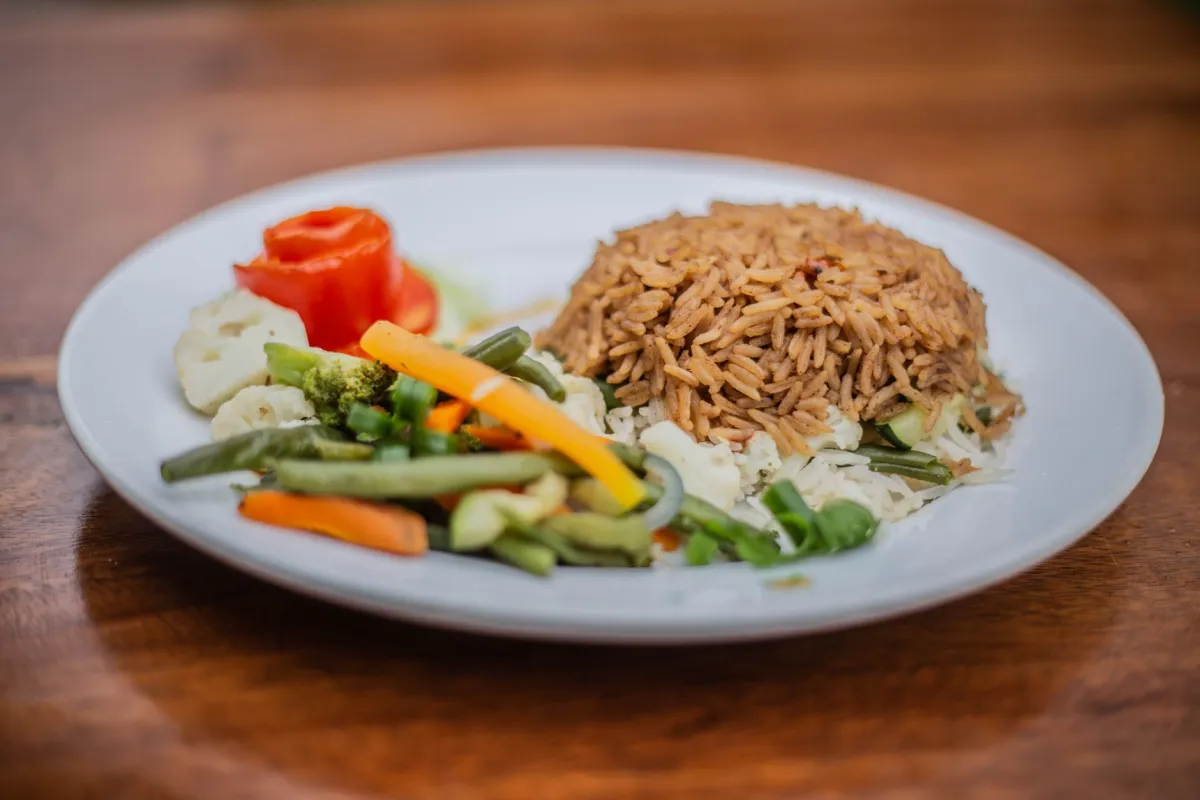
Build Your Plate
- Half the plate: non-starchy vegetables (Table 1)
- One quarter: lean protein (Table 2)
- One quarter: beans, whole grains or starchy vegetables (Table 3)
- On the side: water or an unsweetened drink, fruit as dessert
A 9-inch (about 23 cm) dinner plate makes a handy guide.
Table 1: Non-Starchy Vegetables (Fill Half Your Plate)
| Food | Serving | Carbs (g) | Fiber (g) | Protein (g) |
|---|---|---|---|---|
| Spinach, raw | 2 cups | 2 | 1 | 2 |
| Mushrooms, raw | 1 cup sliced | 2 | 1 | 2 |
| Zucchini, raw | 1 cup sliced | 4 | 1 | 1 |
| Cucumber | 1 cup sliced | 4 | 1 | 1 |
| Cauliflower, raw | 1 cup chopped | 5 | 2 | 2 |
| Green beans, cooked | 1/2 cup | 5 | 2 | 1 |
| Tomato | 1 medium | 5 | 1 | 1 |
| Broccoli, cooked | 1/2 cup | 6 | 3 | 2 |
| Brussels sprouts, cooked | 1/2 cup | 6 | 2 | 2 |
| Red bell pepper | 1 cup chopped | 9 | 3 | 1 |
Table 2: Lean Proteins (One Quarter of Your Plate)
| Food | Serving | Carbs (g) | Fiber (g) | Protein (g) |
|---|---|---|---|---|
| Chicken breast, skinless, cooked | 3 oz | 0 | 0 | 26 |
| Salmon, cooked | 3 oz | 0 | 0 | 22 |
| Shrimp, cooked | 3 oz | 0 | 0 | 20 |
| Tuna, canned in water | 3 oz | 0 | 0 | 20 |
| Greek yogurt, plain nonfat | 6 oz | 6 | 0 | 17 |
| Cottage cheese, 2% | 1/2 cup | 4 | 0 | 12 |
| Tofu, firm | 3 oz | 3 | 1 | 10 |
| Soy milk, unsweetened | 1 cup | 4 | 1 | 7 |
| Egg | 1 large | 0 | 0 | 6 |
Yogurt and tofu numbers vary by brand, so check the label.
Table 3: Beans, Whole Grains and Starchy Vegetables
These are your main carb sources, so portion size matters most here. Sorted by fiber, highest first.
| Food | Serving | Carbs (g) | Fiber (g) | Protein (g) |
|---|---|---|---|---|
| Lentils, cooked | 1/2 cup | 20 | 8 | 9 |
| Black beans, cooked | 1/2 cup | 20 | 8 | 8 |
| Chickpeas, cooked | 1/2 cup | 22 | 6 | 7 |
| Rolled oats | 1/2 cup dry | 27 | 4 | 5 |
| Sweet potato, baked in skin | 1 medium | 24 | 4 | 2 |
| Barley, pearled, cooked | 1/2 cup | 22 | 3 | 2 |
| Quinoa, cooked | 1/2 cup | 20 | 3 | 4 |
| Whole wheat bread | 1 slice | 14 | 2 | 4 |
| Brown rice, cooked | 1/2 cup | 23 | 2 | 3 |
Table 4: Fruits (Sorted by Fiber)
| Food | Serving | Carbs (g) | Fiber (g) | Protein (g) |
|---|---|---|---|---|
| Raspberries | 1 cup | 15 | 8 | 1 |
| Blackberries | 1 cup | 14 | 8 | 2 |
| Apple | 1 small | 21 | 4 | 0 |
| Strawberries | 1 cup halves | 12 | 3 | 1 |
| Orange | 1 medium | 15 | 3 | 1 |
| Blueberries | 3/4 cup | 16 | 3 | 1 |
| Kiwi | 1 medium | 10 | 2 | 1 |
Table 5: Nuts, Seeds and Healthy Fats
| Food | Serving | Carbs (g) | Fiber (g) | Protein (g) |
|---|---|---|---|---|
| Chia seeds | 1 tbsp | 5 | 4 | 2 |
| Almonds | 1 oz (about 23) | 6 | 4 | 6 |
| Avocado | 1/3 medium | 4 | 3 | 1 |
| Ground flaxseed | 1 tbsp | 2 | 2 | 1 |
| Walnuts | 1 oz (about 14 halves) | 4 | 2 | 4 |
| Peanut butter, natural | 2 tbsp | 7 | 2 | 7 |
| Olive oil | 1 tbsp | 0 | 0 | 0 |
Table 6: Six Easy Swaps
| Instead of | Try | Why it helps |
|---|---|---|
| Regular soda | Sparkling water with lemon | No added sugar |
| Fruit juice | A whole orange | Fiber slows the sugar rise |
| Sweetened yogurt | Plain Greek yogurt plus berries | Less added sugar, more protein |
| White bread | 100% whole wheat bread | More fiber per slice |
| Potato chips | 1 oz almonds | Fiber and protein |
| Big bowl of white rice | Half brown rice, half cauliflower | Fewer carbs, more fiber |
Want more? Browse all our free printables: meal plans, food lists, trackers and challenges, each with a PDF.
How Do You Use This Food Chart Day to Day?
The simplest method is the plate method. Fill half your plate from Table 1, a quarter from Table 2 and a quarter from Table 3, then add fruit or a small portion of healthy fat. The Mayo Clinic describes this same plate approach as a practical way to balance meals without weighing every bite.
You don’t need to overhaul every meal on day one. Small, repeatable changes tend to stick far better than a full kitchen makeover.

Here’s a order that works for many people in their first week:
- Pick one meal: Start with the meal that gives you the most trouble, often breakfast or a late dinner.
- Circle 10 foods you already like: A chart only helps if those foods end up in your cart.
- Never let a carb eat alone: Pair oats, fruit or bread with protein or fat, like berries with Greek yogurt or an apple with peanut butter. This combination may help you feel full longer.
- Treat the carb column like a budget: If your dietitian gave you a carb target per meal, add up the Table 3 and Table 4 numbers to stay near it.
- Check how your body responds: If you use a glucose meter or a continuous glucose monitor (CGM, a small sensor worn on the skin), ask your care team when to check after meals and jot notes beside the chart.
What to expect in the first two weeks
Week one is mostly about noticing. You’ll learn what a half cup of brown rice actually looks like (smaller than most takeout scoops), and which breakfasts leave you hungry by 10 a.m.
By week two, meals usually come together faster because you’ve stopped guessing. If you track your blood sugar, those notes give your doctor something concrete to review at your next visit.
How Can You Adjust the Chart for Your Life?
Swapping foods within the same table is fine, since foods in each table play a similar role on your plate. The chart works best when it reflects your real grocery cart, not someone else’s.
On a tight budget
Dried lentils, canned black beans, eggs, rolled oats and frozen broccoli are among the cheapest foods on the chart. Rinsing canned beans in a colander can wash away some of the added sodium. For more low-cost produce ideas, our printable low carb vegetables list pairs well with Table 1.
Vegetarian or vegan
Lean on tofu, unsweetened soy milk, lentils, chickpeas and black beans. Beans count twice, though. They bring protein, but at roughly 20 g of carbs per half cup, they also fill the carb quarter of your plate. If you eat dairy, Greek yogurt and cottage cheese are easy protein wins.
Bigger or smaller portions
The serving sizes are starting points, not prescriptions. A tall, active adult usually needs more food than a petite adult who sits at a desk all day. If a lower-calorie plan has been recommended for you, our 1200 calorie diabetic diet PDF shows one structured option, best used with your doctor or dietitian rather than on your own.
Holidays and family meals
Big meals like Thanksgiving don’t need a separate rulebook. Fill half your plate with green beans and salad, add turkey, then pick one or two starchy favorites, say a scoop of stuffing or a small sweet potato, instead of a spoonful of everything. The chart still works on a holiday plate.
What Mistakes Do People Make With Diabetes Meal Charts?
The biggest mistake is treating the foods on the chart as unlimited. Even the healthiest picks contain carbs or calories, so portions still count.
- Trusting sugar-free labels: Sugar-free cookies still contain flour, which raises blood sugar. Check total carbohydrates on the Nutrition Facts label.
- Drinking your carbs: Juice, sweet tea and big fruit smoothies can deliver a lot of sugar quickly, without the fiber of whole fruit.
- Cutting carbs to zero overnight: On some diabetes medicines, a sudden drop in carbs can cause low blood sugar. Change gradually and keep your care team in the loop.
- Skipping meals, then overeating: Long gaps often end in a 4 p.m. vending machine run. Regular meals tend to make blood sugar easier to manage.
- Forgetting fats are calorie-dense: A small handful of almonds is great. Half the bag is a different story.
Some of the most stubborn food rules for diabetes are myths. Here’s how they stack up against what major health organizations say.
| Myth | What the evidence says |
|---|---|
| People with diabetes can’t eat fruit | Whole fruit fits in measured portions |
| Sugar-free means carb-free | Check total carbs on the label |
| Brown rice is unlimited | About 23 g carbs per half cup |
| Everyone with diabetes must go keto | Several eating patterns can work |
| Honey is safer than table sugar | Both raise blood sugar |
If added sugar is your biggest hurdle, our guide to cutting added sugar without feeling deprived covers swaps that don’t feel like punishment.
Who Should Check With a Doctor or Dietitian First?
If you take insulin or other medicines that can cause low blood sugar, such as sulfonylureas, talk with your care team before you change how many carbs you eat. Eating fewer carbs without adjusting your medication can lead to hypoglycemia, which means blood sugar drops too low.
Check in first if any of these apply to you:
- Kidney disease: Beans, nuts, avocado and dairy may need limits because of potassium, phosphorus or protein.
- Pregnancy or gestational diabetes: Needs shift during pregnancy, so follow your prenatal care team’s plan.
- Type 1 diabetes: Carb counting is usually tied to insulin, which needs individual guidance.
- A history of disordered eating: Food charts can feel triggering, and professional support matters.
A registered dietitian or a certified diabetes care and education specialist (CDCES) can tailor portions to your body and routine. Medicare Part B covers medical nutrition therapy for people with diabetes with a doctor’s referral, and many private plans offer similar benefits, so it’s worth asking. If you’re newly diagnosed, our overview of type 2 diabetes symptoms, causes and treatment explains the basics.
Some symptoms shouldn’t wait for an appointment. Very high readings with extreme thirst, vomiting or confusion need prompt medical care, as do chest pain, trouble breathing, a sudden severe headache, numbness or weakness, and unexplained weight loss. Severe or persistent symptoms deserve a real medical evaluation, not a late-night search.
What Does the Research Say About Diabetes-Friendly Eating?
There’s no single perfect diabetes diet. Research suggests that eating patterns built around vegetables, legumes, whole grains, fruit, nuts and lean protein are associated with better blood sugar control and heart health. That’s the backbone of the chart above.
Think of this chart as a quick-reference list. It groups foods by their role on a balanced plate and shows approximate carbs, fiber and protein, so you can plan meals that are less likely to send blood sugar soaring.
What the evidence supports
- Several patterns can work: The American Diabetes Association’s standards of care say there’s no ideal split of carbs, protein and fat for everyone, and Mediterranean-style, vegetarian and lower-carb patterns can all fit.
- Fiber helps: Reviews of clinical trials link higher fiber intake with modest improvements in A1C, a blood test that reflects your average blood sugar over roughly three months.
- Modest weight loss matters: According to the CDC, losing about 5% to 7% of body weight through a structured lifestyle program can prevent or delay type 2 diabetes in people with prediabetes.
- Moving after meals: Small studies suggest a short, light walk after eating may blunt the post-meal rise in blood sugar.
If you prefer a flexible pattern over strict rules, the Mediterranean diet explained simply overlaps heavily with the foods in this chart.

What the research does not support
Cinnamon pills, apple cider vinegar shots and bitter melon capsules get plenty of buzz, but the evidence is small and mixed. Supplements aren’t tightly regulated by the FDA, and some can interact with diabetes medicines, so ask a pharmacist before adding one.
The glycemic index (GI), a ranking of how quickly a carb food raises blood sugar, is useful but overrated as a stand-alone tool. Portion size and what you eat alongside a food often matter more than the GI number. A giant bowl of a “low GI” food still delivers a giant carb load.
FAQ
The Bottom Line
A diabetic friendly food chart does the most good on your fridge, not buried in your downloads folder. Build meals with the plate method: half non-starchy vegetables, a quarter lean protein and a quarter beans or whole grains, with fruit as a sweet finish. Pair carbs with protein or fiber, watch portions on the carb tables, and skip the sugar-free traps. If you take insulin or other medicines that can cause lows, talk with your care team before changing your carbs, then start with just one meal this week.
This article is for informational purposes only and is not a substitute for professional medical advice, diagnosis, or treatment. Always consult a qualified healthcare provider about your specific situation. If you experience severe or sudden symptoms, seek medical care immediately.

Weight Loss and Nutrition
Browse every related article on this topic in one place.