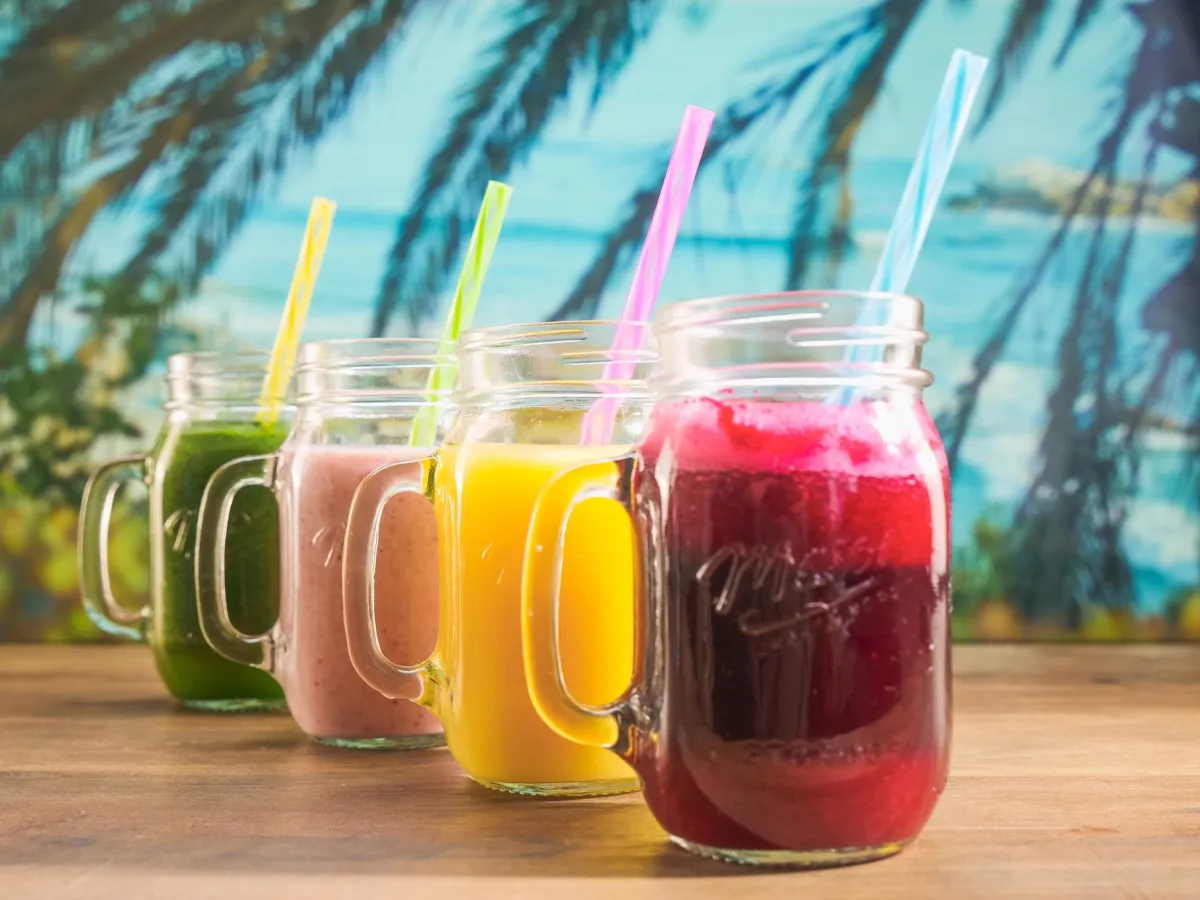
Most people searching for a smoothies PDF free download don’t need another lecture on kale. You need a list you can tape inside a cabinet door, so the 7 AM blender decision takes ten seconds instead of ten minutes of scrolling.
- Smoothies PDF Free Download: 38 Recipes and a Cheat Sheet
- How Do You Use This Smoothies PDF Free Download?
- How Can You Adjust These Smoothie Recipes?
- What Smoothie Mistakes Should You Avoid?
- Who Should Check With a Doctor or Dietitian First?
- What Does the Research Say About Smoothies?
- FAQ
- The Bottom Line
Every recipe here uses grocery-store staples and makes roughly 12 to 16 ounces (about 350 to 475 ml). Print the list, circle a few favorites, then scroll down for swaps, common mistakes and who should check with a doctor first.
Smoothies PDF Free Download: 38 Recipes and a Cheat Sheet
Unless a row says otherwise, “yogurt” means 1/2 cup plain nonfat Greek yogurt, “milk” means 1/2 cup low-fat milk, “almond milk” means 1 cup unsweetened, and “greens” means a loose cup of spinach or kale. Calories are rounded estimates based on USDA FoodData Central values and will shift with brands and portions.
The Basic Blend Formula
- Liquid: 1/2 to 1 cup milk, soy milk, almond milk or water.
- Protein: yogurt, cottage cheese, silken tofu, kefir or protein powder.
- Produce: 1 to 1 1/2 cups fruit and vegetables, ideally frozen.
- Extras: 1 tablespoon nut butter, chia, flax or oats for staying power.
Easy Fruit Smoothies
Fruit-forward blends are the easiest place to start. Most come together in a few minutes once the fruit is already in the freezer.
| Smoothie | Main ingredients | Approx. calories | Note |
|---|---|---|---|
| Strawberry Banana | 1 cup strawberries, 1/2 banana, yogurt, milk | ~220 | Classic first smoothie |
| Mango Pineapple | 1/2 cup each fruit, yogurt, coconut water | ~180 | Tropical, kid-friendly |
| Mixed Berry | 1 cup berries, 1/2 banana, almond milk | ~160 | Add yogurt for protein |
| Peach Ginger | 1 cup peaches, yogurt, almond milk, ginger | ~160 | Use frozen peaches |
| Cherry Vanilla | 1 cup cherries, yogurt, almond milk, vanilla | ~190 | Tastes like dessert |
| Tropical Orange | 1/2 cup orange juice, mango, 1/2 banana, yogurt | ~220 | Juice: keep it small |
| Watermelon Mint | 2 cups watermelon, lime, mint, ice | ~90 | Light summer sipper |
| Apple Pie | 1 apple, yogurt, milk, 2 tbsp oats | ~250 | Add cinnamon |
Green Smoothies
Greens hide better than you’d expect when they’re paired with something sweet. Start with the banana-based blends if spinach is new to you.
| Smoothie | Main ingredients | Approx. calories | Note |
|---|---|---|---|
| Beginner Green | Greens, 1 banana, almond milk, 1 tbsp peanut butter | ~240 | Banana hides the spinach |
| Pineapple Spinach | Greens, 1 cup pineapple, yogurt, water | ~160 | Bright, not grassy |
| Kale Mango | Kale, 1 cup mango, coconut water, lime | ~140 | Remove tough kale stems |
| Cucumber Apple | 1/2 cucumber, 1 apple, greens, lemon | ~120 | Very refreshing |
| Avocado Green | 1/2 avocado, greens, 1/2 banana, almond milk | ~210 | Extra creamy |
| Green Pear | 1 pear, greens, yogurt, ginger | ~170 | Ripe pears blend best |
| Mint Chip Green | Greens, 1/2 banana, almond milk, cacao nibs | ~150 | Add fresh mint |
| Kiwi Spinach | 2 kiwis, greens, 1/2 banana, yogurt | ~200 | Tangy and bright |
High-Protein Smoothies
These are the blends to reach for after a workout or when breakfast needs to last until lunch. Protein amounts are approximate and vary by brand, so check your powder label.
| Smoothie | Main ingredients | Approx. calories | Note |
|---|---|---|---|
| Peanut Butter Banana | 1 cup yogurt, 1/2 banana, peanut butter, milk | ~330 | About 30 g protein |
| Chocolate Cherry | 1 cup cherries, soy milk, cocoa, yogurt | ~250 | About 20 g protein |
| Cottage Cheese Berry | 1/2 cup cottage cheese, 1 cup berries, milk | ~210 | About 20 g protein |
| Vanilla Protein Shake | 1 scoop powder, 1 cup milk, 1/2 banana | ~280 | Check powder label |
| Silken Tofu Berry | 1/2 cup silken tofu, berries, soy milk | ~220 | Vegan, about 15 g protein |
| Kefir Blueberry | 1 cup low-fat kefir, blueberries, flax | ~230 | Contains live cultures |
| Mocha Protein | Cold coffee, 1 cup yogurt, 1/2 banana, cocoa | ~200 | Contains caffeine |
| Pumpkin Pie | 1/2 cup pumpkin puree, yogurt, 1/2 banana, milk | ~210 | Great around Thanksgiving |
Breakfast Smoothies That Keep You Full
Oats, chia and nut butter do most of the filling work here. They slow things down so the glass lasts longer.
| Smoothie | Main ingredients | Approx. calories | Note |
|---|---|---|---|
| Blueberry Oat | 1/4 cup oats, blueberries, yogurt, milk | ~280 | Oats add fiber |
| Banana Bread | 1 banana, 1/4 cup oats, almond butter, almond milk | ~320 | Add cinnamon |
| Chia Berry | 1 tbsp chia, 1 cup berries, yogurt, almond milk | ~230 | Thickens as it sits |
| Date Almond | 1 date, almond butter, 1/2 banana, almond milk | ~250 | Dates add natural sugar |
| PB and J | 1 cup strawberries, peanut butter, yogurt, milk | ~260 | Lunchbox flavor |
| Carrot Cake | 1/2 cup carrots, 1/2 banana, oats, yogurt | ~250 | Use almond milk |
| Mango Lassi Style | 1 cup mango, yogurt, milk, cardamom | ~220 | Pinch of cardamom |
Lower-Sugar Smoothies
Cauliflower and zucchini add body without much sweetness. Frozen works best for both.
| Smoothie | Main ingredients | Approx. calories | Note |
|---|---|---|---|
| Berry Avocado | 1/2 cup raspberries, 1/4 avocado, almond milk, chia | ~190 | Low sugar, rich |
| Cauliflower Berry | 1/2 cup frozen cauliflower, berries, yogurt | ~150 | You won’t taste it |
| Cocoa Avocado | 1/4 avocado, cocoa, soy milk, cinnamon | ~150 | Pudding-like texture |
| Cucumber Mint Yogurt | 1/2 cucumber, yogurt, mint, lemon | ~90 | Savory and cool |
| Zucchini Blueberry | 1/2 cup frozen zucchini, blueberries, almond butter | ~190 | Add almond milk |
| Raspberry Coconut | 1 cup raspberries, yogurt, coconut flakes | ~200 | Use unsweetened flakes |
| Spinach Peanut | Greens, peanut butter, cottage cheese, almond milk | ~220 | Savory-sweet, filling |
Ingredient Cheat Sheet: Use Freely or Go Easy
Use this sheet when you’re swapping ingredients or building a blend from scratch. The “how often” column is a guide, not a rule.
| Ingredient | Typical serving | Approx. calories | How often |
|---|---|---|---|
| Spinach or kale | 1 cup raw | ~10 | Use freely |
| Frozen unsweetened berries | 1 cup | ~70 | Use freely |
| Plain nonfat Greek yogurt | 1/2 cup | ~65 | Use freely |
| Unsweetened almond milk | 1 cup | ~35 | Use freely |
| Banana | 1 medium | ~105 | In moderation |
| Nut butter | 1 tablespoon | ~95 | In moderation |
| Avocado | 1/4 fruit | ~60 | In moderation |
| Fruit juice | 1/2 cup | ~55 | Go easy |
| Honey or maple syrup | 1 tablespoon | ~50 to 65 | Go easy |
| Ice cream or sherbet | 1/2 cup | ~130 or more | Skip for daily blends |
Keep this sheet near the blender. Put a star next to the recipes your household likes, and within a week or two it becomes your own personal menu.
How Do You Use This Smoothies PDF Free Download?
Use the list as a weekly menu: pick three or four recipes, shop for their shared ingredients, and rotate them through the week. Most recipes lean on the same five or six staples, which keeps both cost and food waste down.
- Pick a lane: choose the group that matches your goal, like high-protein after a workout or lower-sugar for an afternoon snack.
- Shop the overlap: frozen berries, bananas, spinach, plain Greek yogurt and one milk cover about half the list.
- Prep freezer packs: bag the solid ingredients for each smoothie on Sunday, so weekday mornings are dump, pour, blend.
- Blend in order: liquid first, then soft items, then frozen pieces, which helps most home blenders avoid stalling.
- Track what works: star the blends that keep you full until lunch and cross off the ones that don’t.
Here’s the thing: a smoothie only works as a meal when it brings protein and fiber, not just fruit. If a fruit-only glass leaves you staring at the vending machine by 10 AM, move to the high-protein or breakfast groups on your printout. For days you’d rather chew, these healthy breakfast ideas pair well with the list, and a meal prep planner template makes the weekly shop faster.
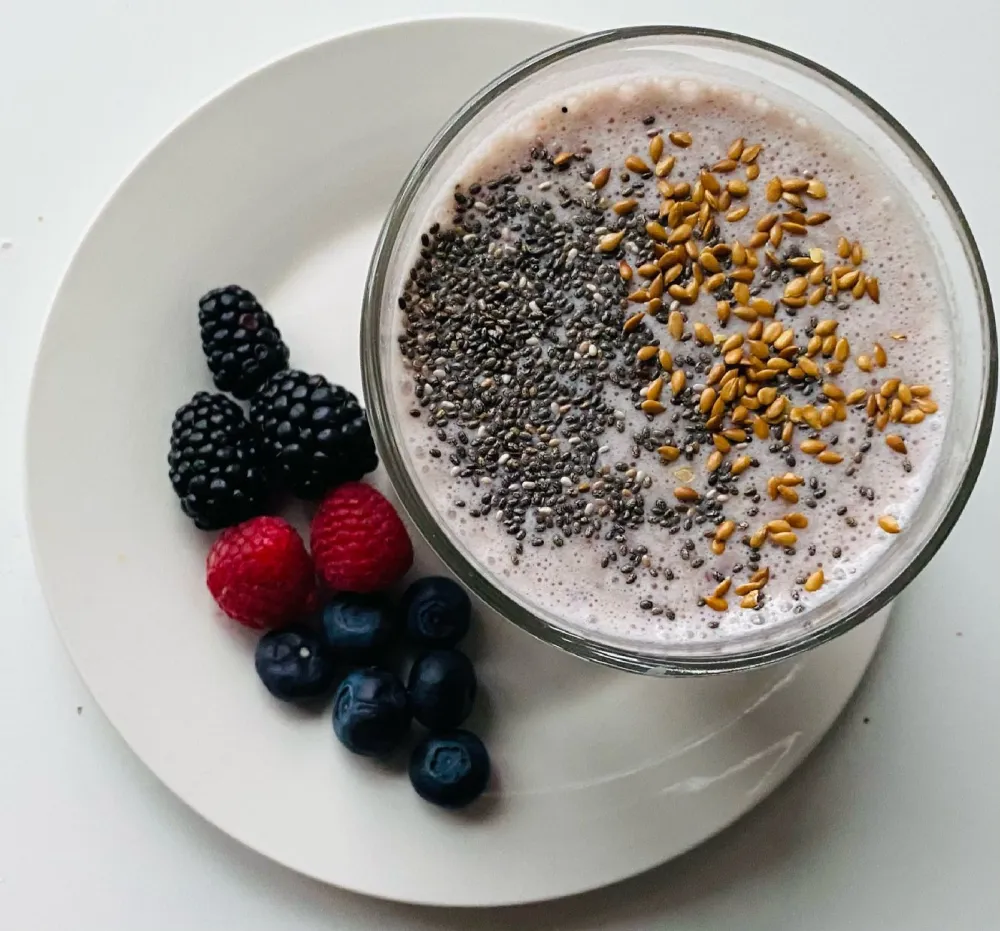
Expect a short learning curve. Your first few blends may come out too thick, too thin or a little too green, and that’s normal. Add liquid a splash at a time, and if spinach tastes strong, start with half a cup and work up.
How Can You Adjust These Smoothie Recipes?
You can adapt nearly any recipe on the list by swapping the liquid, the protein or the sweet fruit while keeping the basic formula the same. Small swaps do more for calories, cost and protein than trendy powders ever will.
On a Tight Budget
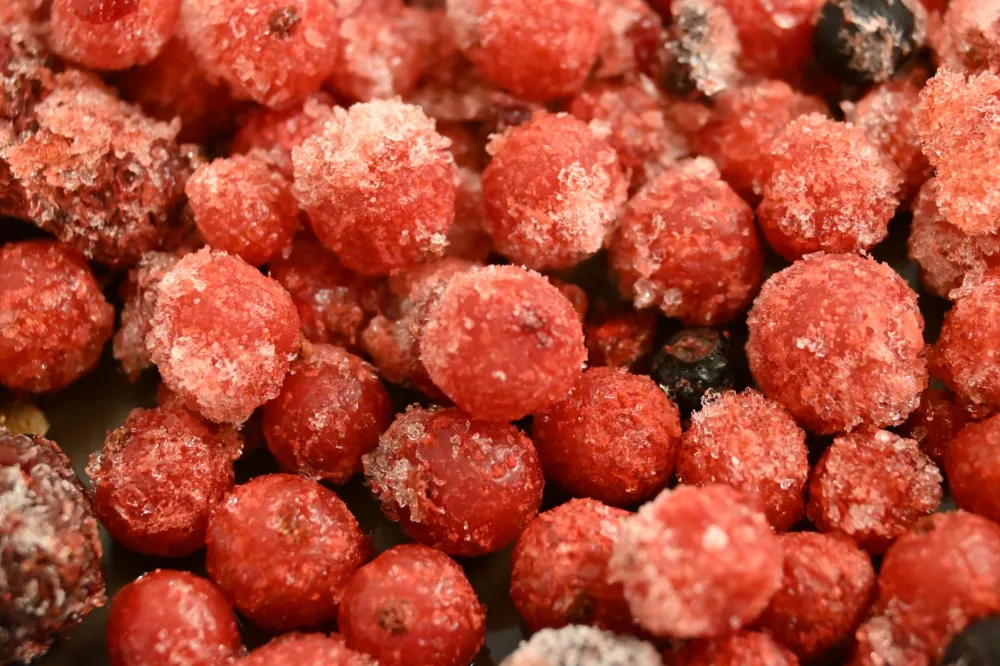
Frozen fruit and vegetables are often cheaper than fresh, especially in winter, and they’re typically frozen soon after harvest, so they hold much of their nutrition. Store-brand oats, peanut butter and big tubs of plain yogurt stretch much further than single-serve cups. Most recipes in this smoothies PDF free download work just as well with frozen produce.
Vegan or Dairy-Free
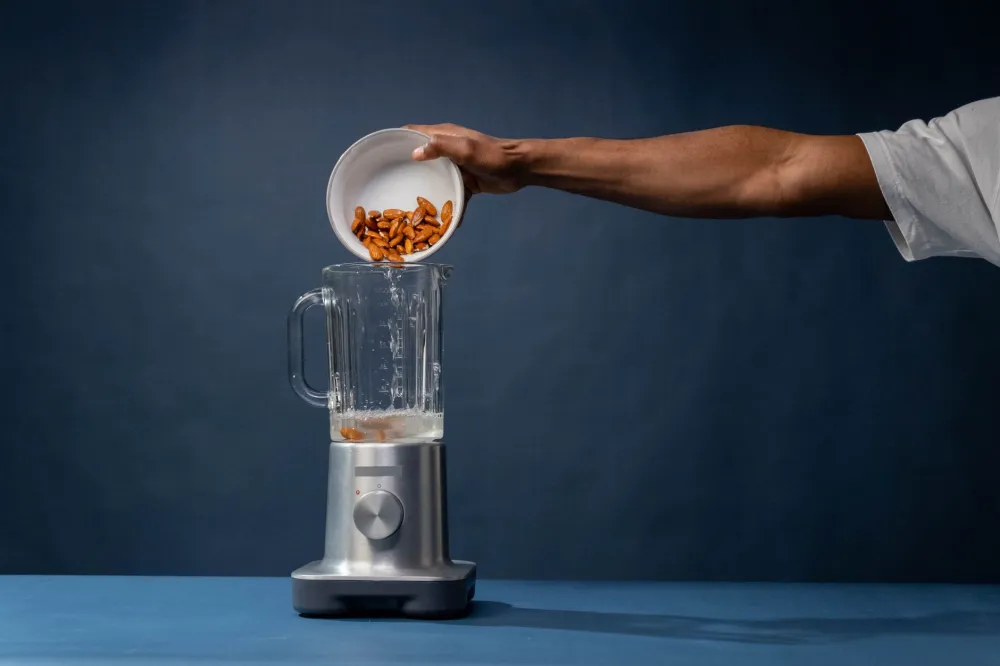
Swap yogurt for silken tofu or soy yogurt, and milk for unsweetened soy milk. Soy milk carries roughly 7 grams of protein per cup, much closer to dairy milk than almond milk, which has only about 1 gram. Our high protein foods chart lists more plant options you can blend.
Bigger or Smaller Portions
For a snack, simply halve any recipe. For a post-run breakfast, add oats or nut butter rather than piling in more fruit. If you’re managing your weight, the weight loss and nutrition guide explains how smoothies can fit a balanced, sustainable eating pattern.
| Goal | Swap this | For this | Why it helps |
|---|---|---|---|
| More protein | Almond milk | Soy or dairy milk | Adds roughly 7 to 8 g |
| Less sugar | Banana or mango | Frozen cauliflower or zucchini | Creamy with far less sugar |
| More fiber | Juice | Whole fruit plus chia | Keeps the fiber in |
| Lower cost | Fresh berries | Store-brand frozen berries | Cheaper, less waste |
| Longer fullness | Extra fruit | Oats or nut butter | Slows digestion |
Pick one swap at a time. Changing everything at once makes it hard to tell which version you actually enjoy, and enjoyment is what keeps healthy smoothies in your routine past week two.
What Smoothie Mistakes Should You Avoid?
The most common smoothie mistake is treating a giant glass of blended fruit and juice like a free snack. It can carry as many calories and as much sugar as a pastry. A few habits keep each glass working for you instead.
- Juice as the base: it adds sugar without fiber, so use milk, soy milk or water.
- Stacking sweet fruit: banana plus mango plus pineapple plus honey adds up fast. Pick one or two.
- Skipping protein: fruit-only blends often leave people hungry within an hour or two.
- Supersizing: coffee-shop smoothies of 24 ounces (about 700 ml) or more can match a full meal.
- Skipping the rinse: the CDC recommends washing produce under running water, even when you’re blending it.
One more nobody loves hearing: sipping a fruit smoothie slowly over the whole morning can keep sugar and acid on your teeth for hours. Finishing it at a meal and rinsing with water is a kinder habit. If sweetness is what draws you to smoothies, these tips on cutting added sugar without feeling deprived can help, and the cheat sheet in this smoothies PDF free download flags the ingredients to go easy on.
Storage matters too. Blended smoothies taste best fresh. If you make one ahead, keep it covered in the fridge and drink it within about a day. Avoid unpasteurized juice or raw milk, which the FDA and CDC warn can carry harmful germs.
Who Should Check With a Doctor or Dietitian First?
Most healthy adults can enjoy the recipes in this smoothies PDF free download without medical input. Some people need personalized advice first, because certain ingredients can interact with health conditions or medications.
- Diabetes or prediabetes: fruit-heavy blends can raise blood sugar quickly, so ask a dietitian about portions.
- Kidney disease: bananas, spinach, avocado and yogurt are high in potassium, which some people need to limit.
- Blood thinners like warfarin: leafy greens are rich in vitamin K, and MedlinePlus advises keeping vitamin K intake consistent day to day.
- Certain prescriptions: grapefruit can interact with some medicines, so ask your pharmacist before adding it.
- Pregnancy, allergies, swallowing trouble or past disordered eating: talk with your doctor about what fits you.
Replacing every solid meal with smoothies to lose weight isn’t something to try without medical guidance. Digestive symptoms that persist after smoothies deserve a real evaluation. Red-flag symptoms such as chest pain, trouble breathing, sudden numbness or weakness, or unexplained weight loss mean seeing a doctor promptly, not tweaking your recipes.
What Does the Research Say About Smoothies?
Research suggests smoothies can be a convenient way to eat more fruits and vegetables, but they aren’t automatically healthier than whole foods. Sugar and portion size matter. A smoothie is a blended drink of whole fruit or vegetables plus a liquid, which, unlike juice, keeps most of the fiber.
The produce gap is real. According to the CDC, only about 1 in 10 US adults eats the recommended amount of fruits and vegetables, so a daily glass with a cup of greens and a cup of berries may help close it.
But there’s a catch. The World Health Organization counts sugars in fruit juice as “free sugars,” the kind worth limiting. The American Heart Association suggests keeping added sugar to about 25 grams a day for most women and 36 grams for most men. Honey and syrup count toward that total.
Whole fruit seems to hold an edge. A large Harvard-led study of US health professionals found that eating more whole fruits such as blueberries, grapes and apples was linked to a lower risk of type 2 diabetes, while more fruit juice was linked to a higher risk. Smoothies likely sit somewhere in between, and direct studies on them are limited.
- Myth: green smoothies detox you. Fact: your liver and kidneys do that job. Greens add fiber, folate and vitamin K.
- Myth: more fruit is always healthier. Fact: beyond a cup or two, extra fruit mostly adds sugar and calories.
- Myth: smoothie diets melt fat. Fact: extreme liquid plans are hard to sustain and often backfire.
- Myth: you need superfood powders. Fact: evidence for most add-ins is thin, and supplements aren’t tightly regulated.
Fiber is where the best smoothie recipes shine. Oats, chia, flax and berries feed your microbiome, the trillions of bacteria living in your gut. Our gut health food list PDF covers more fiber-rich picks you can toss into the blender.
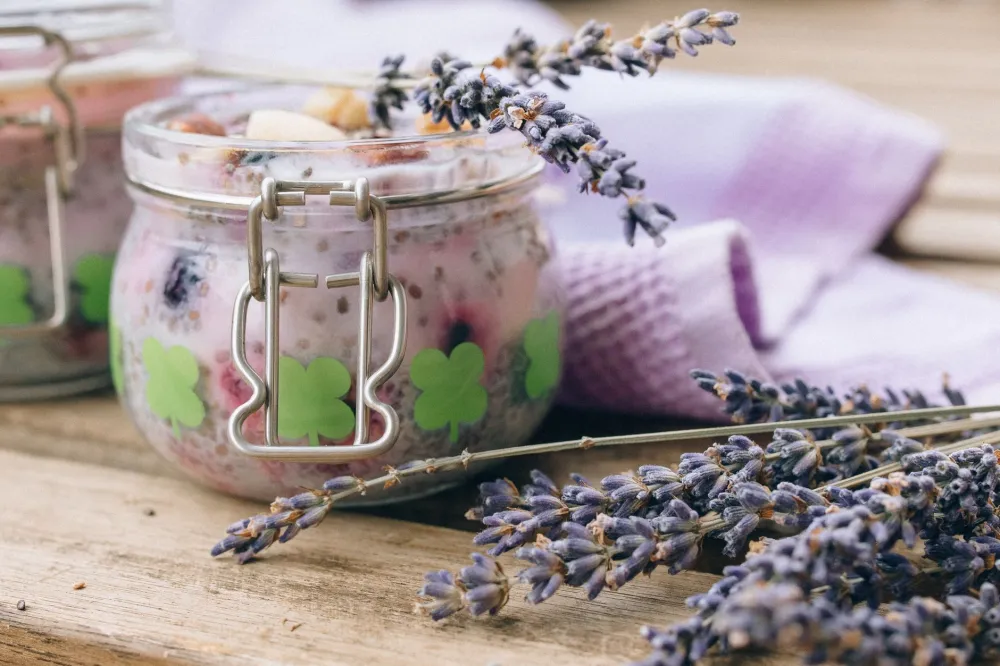
So what actually works? Recipes built on whole produce, a solid protein source and little or no added sweetener, served in a glass sized like a meal or a snack rather than a bucket. That’s exactly how the list above was put together.
FAQ
The Bottom Line
A smoothies PDF free download only helps if it gets you to the blender, so start small: print the list, star three recipes, and stock frozen berries, spinach, plain Greek yogurt and one milk. Build every glass around protein and fiber, keep sweet fruit to one or two servings, and treat juice and syrup as occasional extras. If you have diabetes or kidney disease, or take blood thinners, check with your doctor or a dietitian before making smoothies a daily habit.
This article is for informational purposes only and is not a substitute for professional medical advice, diagnosis, or treatment. Always consult a qualified healthcare provider about your specific situation. If you experience severe or sudden symptoms, seek medical care immediately.

Everyday Health and Wellness
Browse every related article on this topic in one place.