

Your bathroom shelf might hold twelve products, and your skin still feels tight by lunchtime. The problem usually isn’t the products. It’s the order you use them in and when you use them, and a routine taped inside your cabinet door can fix that far better than a 20-minute video you forgot to rewatch.
- Printable Skincare Routine PDF: 4 Morning and Night Schedules
- How Do You Use This Skincare Routine PDF?
- What Should You Expect in the First Weeks?
- How Can You Adjust the Schedule for Your Skin and Budget?
- Which Skincare Routine Mistakes Backfire Most?
- Who Should Check With a Dermatologist First?
- What Does the Research Say About Skincare Routines?
- FAQ
- The Bottom Line
Every schedule runs on the same logic dermatologists teach: cleanse, treat, moisturize, then protect with sunscreen during the day. Pick the one that matches your skin, print it, and give it several weeks before you decide whether it works.
Printable Skincare Routine PDF: 4 Morning and Night Schedules
The times are examples only. Shift them to fit your day, but keep the order of steps.
Schedule 1: Beginner Basics (3 Steps)
Who it suits: first routines, busy mornings, normal or combination skin.
| Time | Step | What to use | Tip |
|---|---|---|---|
| 7:00 AM | Cleanse | Gentle cleanser or water rinse | Lukewarm water, about 30 seconds |
| 7:02 AM | Moisturize | Lightweight lotion | Apply to slightly damp skin |
| 7:04 AM | Protect | Broad-spectrum SPF 30 or higher | Always the last morning step |
| 9:30 PM | Cleanse | Gentle cleanser | Removes sunscreen and makeup |
| 9:32 PM | Moisturize | Lotion or cream | Your morning lotion works fine |
Schedule 2: Oily or Acne-Prone Skin
Who it suits: shiny T-zone, clogged pores, regular breakouts.
| Time | Step | What to use | Tip |
|---|---|---|---|
| 7:00 AM | Cleanse | Foaming or salicylic acid cleanser | Rinse well, pat dry |
| 7:02 AM | Treat (optional) | Niacinamide serum | A few drops only |
| 7:04 AM | Moisturize | Oil-free gel moisturizer | Look for noncomedogenic |
| 7:06 AM | Protect | SPF 30 or higher, gel or fluid | Lighter textures feel less greasy |
| 9:30 PM | Cleanse | Same gentle cleanser | No scrubbing |
| 9:35 PM | Treat | Adapalene or benzoyl peroxide | Pea-sized, one active per night |
| 9:37 PM | Moisturize | Oil-free moisturizer | Offsets dryness from actives |
Schedule 3: Dry or Sensitive Skin
Who it suits: tightness, flaking, stinging, or redness after products.
| Time | Step | What to use | Tip |
|---|---|---|---|
| 7:00 AM | Rinse | Lukewarm water only | Cleanser optional in the morning |
| 7:01 AM | Hydrate (optional) | Glycerin or hyaluronic acid serum | Apply on damp skin |
| 7:03 AM | Moisturize | Fragrance-free cream with ceramides | Press in, don’t rub hard |
| 7:05 AM | Protect | Mineral SPF 30 or higher | Zinc oxide is often gentler |
| 9:30 PM | Cleanse | Creamy, non-foaming cleanser | Skip hot water |
| 9:32 PM | Moisturize | Thicker fragrance-free cream | Use generously |
| 9:34 PM | Seal (optional) | Thin layer of petrolatum | Only on dry patches |
Schedule 4: Aging-Focused Skin
Who it suits: fine lines, uneven tone, past sun damage.
| Time | Step | What to use | Tip |
|---|---|---|---|
| 7:00 AM | Cleanse | Gentle cleanser | Lukewarm water |
| 7:02 AM | Antioxidant (optional) | Vitamin C serum | Store away from light |
| 7:04 AM | Moisturize | Lotion or light cream | Include neck and chest |
| 7:06 AM | Protect | Broad-spectrum SPF 30 or higher | Reapply outdoors every 2 hours |
| 9:30 PM | Cleanse | Gentle cleanser | Pat completely dry |
| 9:35 PM | Treat | Retinol or retinoid, pea-sized | Start 2 to 3 nights weekly |
| 9:37 PM | Moisturize | Cream | Helps buffer retinoid dryness |
Weekly Actives Calendar
Use this for the treat step. Rest nights mean cleanse and moisturize only.
| Day | Oily or acne-prone | Aging-focused | Dry or sensitive |
|---|---|---|---|
| Monday | Active | Retinoid | Rest |
| Tuesday | Rest | Rest | Rest |
| Wednesday | Active | Retinoid | Rest |
| Thursday | Rest | Rest | Rest |
| Friday | Active | Retinoid | Gentle exfoliant (optional) |
| Saturday | Rest | Rest | Rest |
| Sunday | Rest | Rest | Rest |
Rules for Every Schedule
- Thinnest texture first, thickest last.
- Sunscreen is the final morning step.
- Add only one new product every 2 weeks.
- Never use two strong actives the same night.
- Stop any product that burns or swells skin.
Want more? Browse all our free printables: meal plans, food lists, trackers and challenges, each with a PDF.
How Do You Use This Skincare Routine PDF?
Print the page, circle the schedule that matches your skin, and stick with it for at least four to six weeks before adding anything new. Three or four basic steps used every day tend to beat a crowded shelf used at random.
A skincare routine is just a repeatable order of products, used at the same points in your day, so each one can do its job without canceling out the others. That’s all this printable is: a decision already made for you.
- Pick one schedule: If you’re torn between two, choose the gentler one. You can always add steps later, but calming irritation takes longer.
- Shop your shelf first: Match what you already own to each row. Most people already have a cleanser and a moisturizer.
- Patch test new products: The American Academy of Dermatology (AAD) describes patch testing as a sensible first step. Try a new product on a small spot, such as the inside of your elbow, twice a day for about 7 to 10 days before it goes on your face.
- Add slowly: Introduce one product roughly every two weeks, so if your skin reacts, you’ll know the culprit.
- Check off your days: A tick mark on the printout makes it easy to see whether a dull week lined up with a skipped week.
Curious why the steps run thin to thick? Our guide to the right order to apply skincare products explains the logic layer by layer. The short version: a watery serum can’t soak through a thick cream, and sunscreen works best as an unbroken top layer.

What Should You Expect in the First Weeks?
Expect small changes early and bigger ones later. Basic cleansing and moisturizing may make skin feel more comfortable within days, while acne treatments often take around 6 to 8 weeks, and retinoids for texture can take several months.
This timeline is why so many people abandon a perfectly good routine too early. Your outer skin layer renews itself roughly every month, give or take, so one week of anything tells you very little.
| Timeframe | What you may notice | What to do |
|---|---|---|
| Days 1 to 7 | Skin feels cleaner, maybe tighter | Moisturize more if tight |
| Weeks 2 to 4 | Mild dryness from actives | Cut active nights back |
| Weeks 6 to 8 | Possible fewer breakouts | Stay consistent |
| Months 3 to 6 | Possible smoother texture | Keep daily sunscreen |
Mild flaking during the first month of a retinoid is common and usually settles as your skin adjusts. Red, raw, stinging skin is another story. It means your night routine is moving too fast.
How Can You Adjust the Schedule for Your Skin and Budget?
You can adjust any schedule by swapping product types, not by adding steps. A cheaper cleanser, a thicker cream for winter, or fewer active nights are all reasonable changes that keep the basic order intact.
On a tight budget
A drugstore gentle cleanser, a fragrance-free moisturizer and a broad-spectrum sunscreen cover the core of every schedule. Serums are optional extras. A plain tub of petrolatum, the same stuff found in classic healing ointments, is one of the cheapest barrier helpers around.
When you only have two minutes
Fall back on Schedule 1. A moisturizer with SPF 30 or higher can cover your last two morning steps, as long as you apply a generous layer. Many people apply far less sunscreen than the amount used in lab testing, which may mean less protection than the label promises.
In winter or dry indoor heat
Cold air and heated rooms can leave skin tight by lunchtime. Switch to a creamy cleanser, move up to a thicker moisturizer, and drop active nights from three to one or two. Our guide to fixing dry winter skin covers more cold-weather tweaks.
Adding a retinoid for the first time
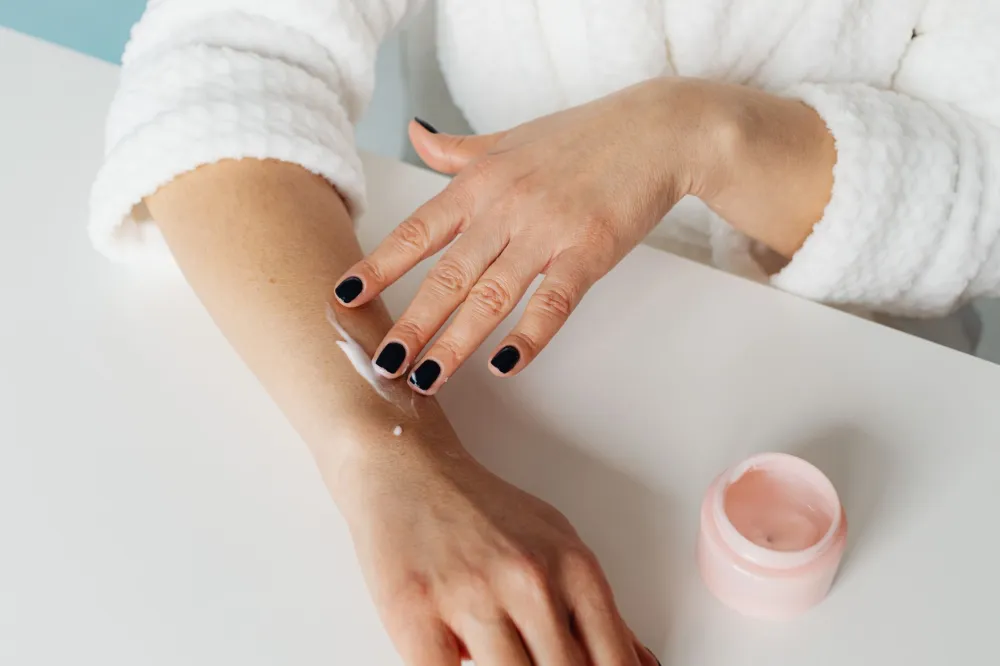
Start with a pea-sized amount for your whole face, two or three nights a week, on fully dry skin. If it stings, try the “sandwich”: moisturizer, then retinoid, then moisturizer again. Our walkthrough on retinol for beginners without the irritation has a slower ramp-up plan if your skin is touchy.
Which Skincare Routine Mistakes Backfire Most?
The biggest mistakes are doing too much, too fast, and skipping sunscreen. Stacking several acids and a retinoid can damage your skin barrier, the outer layer of oils and cells that holds moisture in and keeps irritants out.
- Layering every active at once: Retinol, glycolic acid, salicylic acid and benzoyl peroxide in one night is a recipe for raw skin. The weekly calendar spaces them out for a reason.
- Skipping morning sunscreen: Retinoids and acids can make skin more sensitive to sunlight, and UV exposure is a major driver of dark spots and wrinkles. Our list of sunscreen myths takes on the “I’m indoors all day” excuse.
- Scrubbing harder when skin feels oily: Harsh scrubs and very hot water can strip skin, and some people end up looking shinier afterward.
- Judging a product after one week: Most treatments need weeks to months.
- Ignoring the sting: Burning that lasts after application is a stop sign. If you’ve already overdone it, our guide to skin barrier repair after over-exfoliating shows how to calm things down.
One quieter mistake: forgetting your neck and the backs of your hands. They get about as much sun as your face, so let your routine reach them too.

Who Should Check With a Dermatologist First?
Talk to a dermatologist or your doctor before starting any new routine if you’re pregnant or trying to conceive, use prescription skin medicine, or have a diagnosed skin condition. These situations can change which ingredients are safe or useful for you.
- Pregnancy or breastfeeding: Retinoids and some other actives may not be recommended. Ask your OB-GYN or dermatologist before using them.
- Prescription treatments: If you already use tretinoin, oral acne medicine or prescription creams, don’t add over-the-counter actives without checking with your prescriber.
- Eczema, rosacea or psoriasis: These conditions often need a gentler plan, and some common ingredients can trigger flares.
- Painful, deep or scarring acne: Cystic acne usually needs prescription care. Our piece on why adult acne keeps coming back explains the options.
The Mayo Clinic and the AAD both encourage regular skin self-checks. Severe or persistent rashes, itching or pain deserve a real medical evaluation, not another product.
What Does the Research Say About Skincare Routines?
The strongest evidence backs a short list: daily sunscreen, retinoids for aging and acne, and moisturizers to support the skin barrier. Many popular extras have weaker or mixed evidence, which is why the schedules keep them optional.
Sunscreen has some of the best support. An Australian trial randomly assigned adults to either daily sunscreen use or their usual habits. Over roughly four years, the daily group showed less skin aging than the other group. Prescription retinoids such as tretinoin are among the most studied topical treatments for sun-related wrinkles.

Over-the-counter retinol is weaker than prescription versions, and the studies on it are smaller. Many dermatologists still consider it a reasonable starting point. Here’s how common claims hold up.
| Claim | Myth or fact? | What evidence suggests |
|---|---|---|
| More steps means better skin | Myth | Consistency matters more than step count |
| Daily sunscreen slows visible aging | Fact | Supported by randomized trial evidence |
| Retinoids improve fine lines | Mostly fact | Strongest for prescription forms |
| Vitamin C serums transform skin | Overhyped | Some benefit, depends on formula |
| Oily skin doesn’t need moisturizer | Myth | Light moisturizers can reduce irritation |
| Expensive means more effective | Myth | Ingredients matter, not price |
For more on what’s worth your money, browse our skin and beauty guide.
FAQ
The Bottom Line
A good routine is short and steady, and sunscreen is the non-negotiable part. Print the skincare routine PDF, choose the schedule that fits your skin, and run it for four to six weeks before adding anything. Bring in actives one at a time using the weekly calendar, and back off at the first sign of burning. If your skin problem is painful, persistent or changing, a dermatologist will get you further than any shelf of products.
This article is for informational purposes only and is not a substitute for professional medical advice, diagnosis, or treatment. Always consult a qualified healthcare provider about your specific situation. If you experience severe or sudden symptoms, seek medical care immediately.

Skin and Beauty
Browse every related article on this topic in one place.