

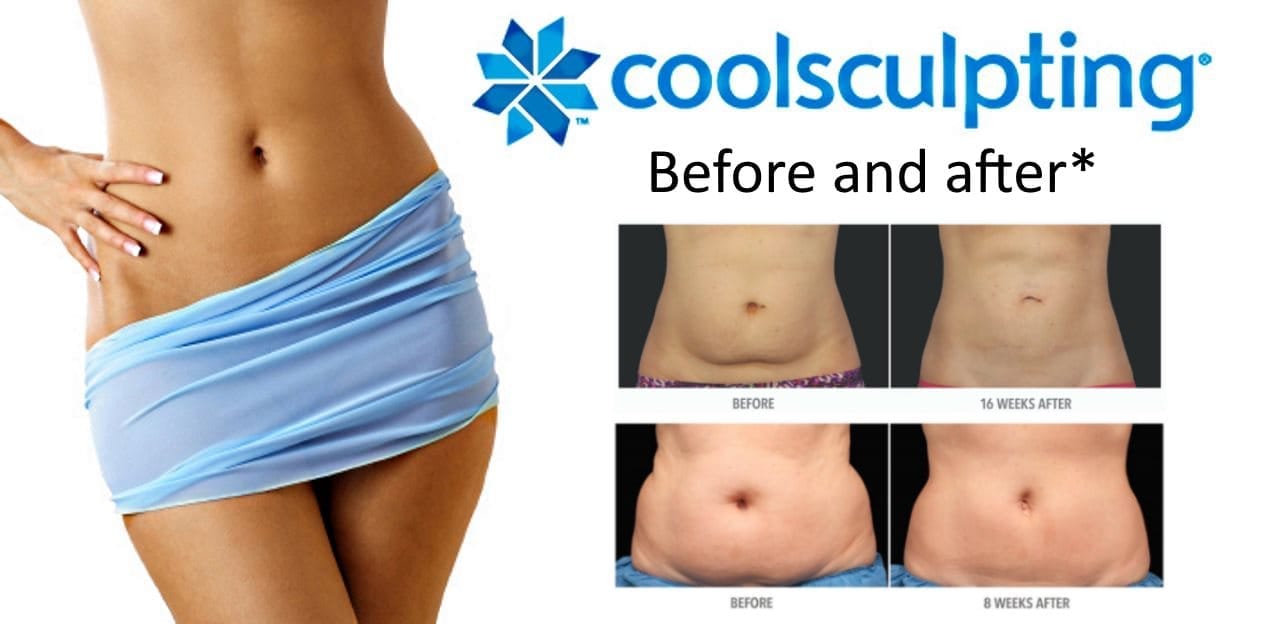
CoolSculpting is one of the best-known non-surgical ways to reduce a stubborn pocket of fat. It uses controlled cooling to damage fat cells under the skin, which your body then clears away over the following weeks. There are no cuts and usually no downtime, which is a big part of its appeal.
It is also often misunderstood. It is not a weight loss treatment, the results are modest and gradual, and there is a rare side effect that can make the treated area bigger rather than smaller. Here is what the evidence says about how it works, what results are realistic, who it suits and what can go wrong.
What Is CoolSculpting?
CoolSculpting is a brand name for cryolipolysis, which simply means “breaking down fat with cold.” Several other brands of fat freezing devices exist, but they work on the same principle.
The device was cleared by the US Food and Drug Administration (FDA) for reducing fat on the flanks in 2010, and has since been cleared for other areas, including the abdomen, thighs, under the chin, the bra line and back, the upper arms and the area beneath the buttocks. It is designed for subcutaneous fat, the pinchable fat that sits just under the skin. It does not affect the deeper visceral fat around your organs, which is the type most linked to health problems.
How Fat Freezing Works
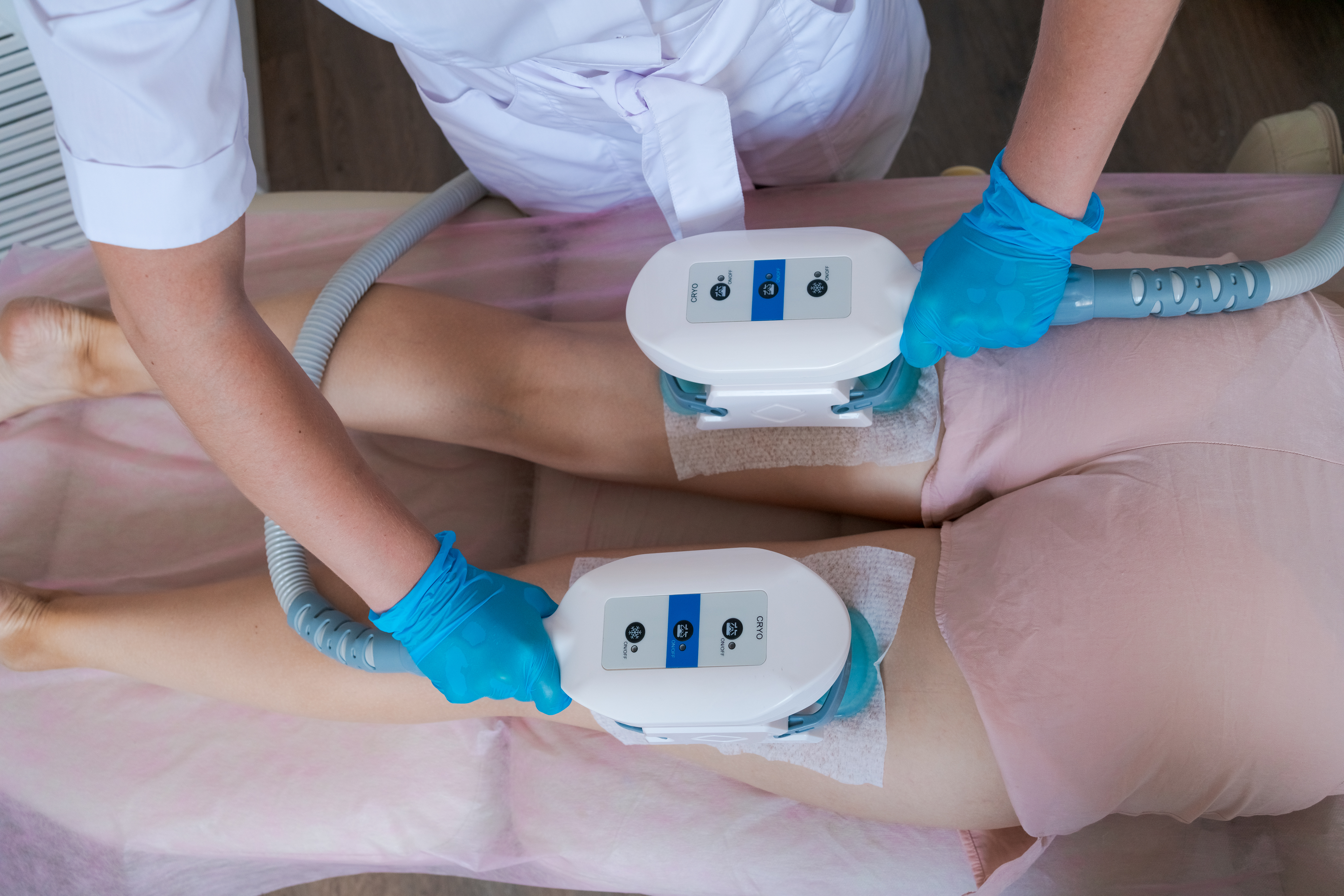
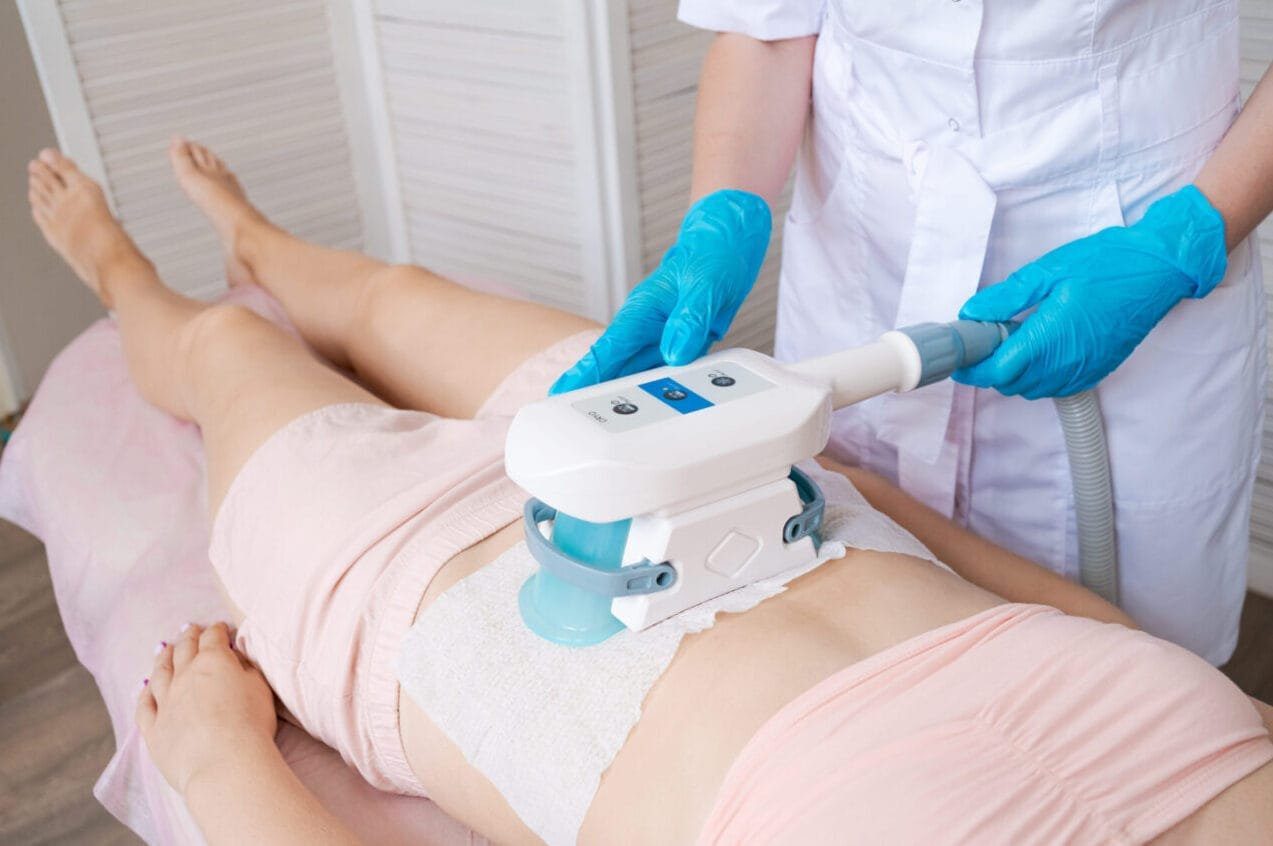
Fat cells are more sensitive to cold than the skin, nerves and muscle around them. During treatment, an applicator draws the fat bulge in with gentle suction (or rests flat on the skin) and cools it to a controlled temperature for a set time, often 35 to 60 minutes per area with newer applicators.
The cold injures the fat cells and triggers a process of cell death. Over the next few weeks, the immune system gradually removes the damaged cells. Because the treated fat cells are cleared rather than shrunk, the fat that remains in that spot is reduced. People usually start to see a change after about three weeks, with the most noticeable results after two to three months. Cleveland Clinic explains the process in more detail.
What a session is like
- The provider marks the area and places a gel pad to protect your skin.
- You feel strong pulling and intense cold at first, which usually fades to numbness within about 10 minutes.
- Most people read, use a phone or rest during treatment.
- After the applicator comes off, the area is often massaged for a couple of minutes. It may look like a firm, flattened bar of fat for a short time.
- You can usually go back to normal activities the same day.
Who CoolSculpting Suits (and Who It Does Not)
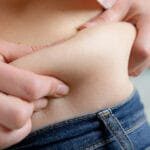
The best candidates are close to a healthy weight and have one or two small, pinchable areas of fat that have not shifted with diet and exercise. Common examples are a lower belly pouch, love handles, bra line bulges or a small double chin.
It is not a good choice if:
- You want to lose weight. The amount of fat removed is small, and your weight on the scales will barely change.
- You are living with obesity. Weight management through diet, activity and, where appropriate, medication or surgery has far bigger health benefits.
- Your main concern is loose skin. Fat freezing does not tighten skin. Loose abdominal skin, especially after pregnancy or big weight loss, may be better addressed with a tummy tuck.
- The fat is not pinchable, for example fat deep inside the belly.
Medical reasons to avoid it
Cryolipolysis should not be used by people with conditions in which cold triggers harmful reactions in the blood:
- Cryoglobulinemia, where abnormal proteins in the blood clump in the cold
- Cold agglutinin disease, where antibodies attack red blood cells in the cold
- Paroxysmal cold haemoglobinuria, a rare condition in which cold exposure destroys red blood cells
Tell your provider if you have Raynaud’s phenomenon, cold urticaria (hives from cold), a hernia near the treatment area, poor circulation, numbness in the area, or are pregnant. You should have a consultation with a qualified clinician, not just a sales appointment, before treatment.
What Results Are Realistic?
Studies report an average reduction of the fat layer in the treated area of roughly 20 to 25 percent, measured with ultrasound or callipers, although results across studies range more widely than that. A 2015 review of the published research concluded that cryolipolysis is a safe and effective option for modest, localised fat reduction, while noting that study methods and measurements vary a lot.
In everyday terms, that means a visible softening of a bulge rather than a dramatic change. Before and after photos used in marketing show the better outcomes, and individual results differ. Some people see little change at all.
- Sessions: Many people have one or two cycles per area, spaced at least a few weeks apart. Larger areas may need several applicators.
- Timeline: Changes appear from about three weeks, with most of the effect by two to three months. The body may keep clearing fat for up to six months.
- Lasting results: Treated fat cells are gone for good, but remaining fat cells can still grow. If you gain weight, the area can fill out again.
Side Effects and Risks
Most side effects are temporary and settle within days to weeks:
- Redness, swelling and bruising in the treated area
- Numbness, tingling or reduced feeling, which can last several weeks
- Aching, cramping or itching
- Delayed pain, often starting a few days after treatment, especially on the abdomen. It usually fades over a few weeks.
Paradoxical adipose hyperplasia (PAH)
PAH is the side effect most people have not heard of. Instead of shrinking, the treated fat becomes firmer and gradually enlarges over the months after treatment, often taking the shape of the applicator. It is not dangerous to health, but it does not go away on its own and is cosmetically upsetting.
A 2014 report in JAMA Dermatology described the condition and cited an estimated incidence of about 1 in 20,000 treated areas, but later reports suggest it may be more common than first thought. It appears to occur more often in men. PAH is usually treated with liposuction, typically after waiting several months for the tissue to soften, and sometimes needs more than one procedure.
CoolSculpting vs Liposuction
Liposuction is the main alternative for targeted fat removal. It is surgery, but it removes far more fat in one go.
| CoolSculpting (fat freezing) | Liposuction | |
|---|---|---|
| Type | Non-surgical, no cuts | Surgery through small incisions |
| Anaesthetic | None | Local or general |
| Amount of fat removed | Small, about a fifth to a quarter of the fat layer per area | Larger, more precise sculpting |
| Results seen | Gradually over 2 to 3 months | Once swelling settles, over weeks to months |
| Downtime | Usually none | Days to a couple of weeks; compression garments |
| Sessions | Often more than one | Usually one |
| Main risks | Temporary numbness, pain, bruising; rare PAH | Surgical risks such as infection, contour irregularities, fluid build-up, blood clots |
Neither treatment replaces healthy habits, and neither tightens loose skin. The American Society of Plastic Surgeons recommends discussing your goals with a board-certified plastic surgeon or dermatologist, who can offer both options and tell you honestly which fits your body.
How Much Does CoolSculpting Cost?
Prices vary widely by country, city, clinic and the number of applicators needed. In the US, a single applicator cycle often costs several hundred dollars, and treating one area properly can run into the low thousands once you add extra cycles. It is a cosmetic treatment, so health insurance does not cover it. Ask for a written plan that states how many cycles you will need and the total cost, and be wary of clinics that push large packages before assessing you.
FAQ
Does CoolSculpting really work?
For small, pinchable fat pockets, yes, studies show a modest reduction in the treated area. The change is gradual and not as dramatic as some marketing photos suggest.
Is CoolSculpting permanent?
The destroyed fat cells do not come back. But the remaining fat cells can grow if you gain weight, so keeping a stable weight matters.
Does CoolSculpting hurt?
Most people find the first few minutes uncomfortable from cold and suction, then the area goes numb. Some feel aching or sharp pain a few days later, which usually fades within a few weeks.
Can CoolSculpting help me lose weight?
No. It reshapes small areas rather than lowering body weight. For weight loss, see our guide to getting past weight loss plateaus.
Can it treat back fat?
There are applicators for the bra line and back. Diet and strength training remain the starting point, as our guide to getting rid of back fat explains.
The Bottom Line
CoolSculpting can modestly reduce small, stubborn areas of fat without surgery, with gradual results over two to three months. It suits people near their target weight who have realistic expectations, not anyone looking to lose weight or tighten loose skin. Side effects are usually short-lived, but paradoxical adipose hyperplasia, while rare, is worth knowing about before you book. Choose a qualified provider, get a clear plan and price, and compare it with other options before deciding.
This article is for general information and is not a substitute for advice from your doctor.
Sources
- Cleveland Clinic: Cryolipolysis (Fat Freezing)
- American Society of Plastic Surgeons: Cryolipolysis
- Ingargiola et al.: Cryolipolysis for Fat Reduction and Body Contouring, Plastic and Reconstructive Surgery 2015
- Jalian et al.: Paradoxical Adipose Hyperplasia After Cryolipolysis, JAMA Dermatology 2014
- Harvard Health Publishing: Is CoolSculpting Effective?
Medical disclaimer: This article is for general information only and is not a substitute for advice, diagnosis or treatment from a qualified health professional. If your symptoms are severe, sudden or getting worse, contact a doctor or emergency services.

Weight Loss and Nutrition
Browse every related article on this topic in one place.




1 thought on “CoolSculpting (Fat Freezing): Results, Side Effects and Who It Suits”