

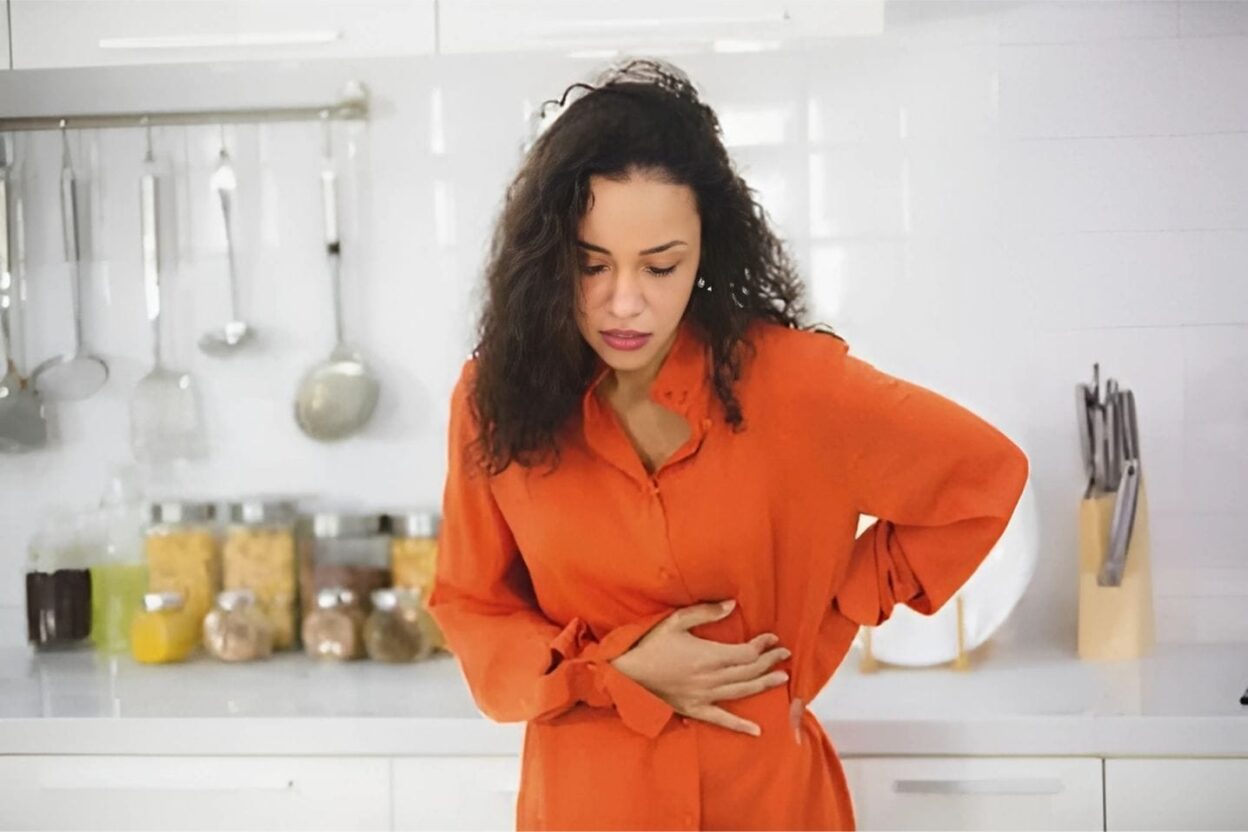
A sudden, stabbing pain low in your pelvis can stop you in your tracks. Often the cause is harmless: a twinge from ovulation, trapped wind or a brief muscle spasm. But sharp pelvic pain can also signal a burst ovarian cyst, a twisted ovary, an infection or an ectopic pregnancy, and some of these need emergency treatment.
This guide walks through the most likely causes, the clues that help tell them apart, and the signs that mean you should get help straight away.
What Counts as Pelvic Pain?
Pelvic pain is pain below the belly button and between the hip bones. In women, this area holds the womb, ovaries, fallopian tubes, bladder, the lower bowel and the muscles and joints of the pelvic floor and pelvic girdle. Any of them can cause sharp pain.
Doctors usually split it into acute pain, which is new and sudden, and chronic pain, which lasts six months or more or keeps coming back. A sudden stabbing pain is acute, even if it fades quickly.
Common Causes of Sudden Stabbing Pelvic Pain
Ovulation pain (mittelschmerz)
About two weeks before your period, some people feel a sharp or cramping pain on one side as an egg is released. It can switch sides from month to month and usually lasts from a few minutes to a day or two. It is harmless, and over-the-counter pain relief or heat usually helps.
Period pain
Cramps can feel stabbing as well as aching, particularly in the first day or two. If period pain is severe enough to stop normal life, or has got worse over the years, ask a doctor about endometriosis or fibroids.
Ovarian cysts
Most ovarian cysts are small, fluid-filled and go away on their own. A cyst that bursts can cause sudden sharp pain on one side, sometimes after sex or exercise. The pain often eases over a day or two, but a large rupture can cause internal bleeding.
Wind, constipation and IBS
The bowel sits in the pelvis, and trapped gas or constipation can cause surprisingly sharp, stabbing pains that move around and ease after a bowel movement. Irritable bowel syndrome causes repeated bouts of cramping with bloating and changes in bowel habit.
Urinary tract infection or kidney stone
A bladder infection causes pain low in the middle of the pelvis with burning when you pee and needing to go often. A kidney stone causes intense waves of pain that often start in the side or back and move towards the groin.
Pelvic floor muscle spasm
The muscles of the pelvic floor can go into spasm, causing sharp or aching pain in the pelvis, vagina or rectum, sometimes with pain during sex. A pelvic health physiotherapist can help.
Proctalgia fugax
This is a sudden, intense stabbing or cramping pain in the rectum or low pelvis, often at night, that lasts seconds to minutes and then disappears completely. It is thought to come from muscle spasm and is harmless, though it can be very uncomfortable.
Pregnancy-related pain
In pregnancy, stretching of the round ligaments that support the womb can cause brief, sharp pains in the lower abdomen or groin, often when you change position. Pain at the front or back of the pelvis may be pelvic girdle pain. Any pain with bleeding in pregnancy needs checking.
Causes That Need Urgent Treatment
- Ectopic pregnancy. A pregnancy growing outside the womb, usually in a fallopian tube. It can cause one-sided pain, vaginal bleeding, shoulder tip pain and dizziness, and can rupture and bleed internally. It often happens before someone knows they are pregnant.
- Ovarian torsion. The ovary twists on its blood supply, often because of a cyst. It causes sudden, severe one-sided pain, frequently with nausea and vomiting. It needs surgery quickly to save the ovary.
- Appendicitis. Pain usually starts around the belly button and moves to the lower right, getting steadily worse, with fever and loss of appetite.
- Pelvic inflammatory disease (PID). An infection of the womb, tubes or ovaries, usually from an untreated STI such as chlamydia or gonorrhoea. It causes pelvic pain, fever, unusual discharge and pain during sex. Prompt antibiotics lower the risk of infertility.
- Miscarriage, which can cause cramping pain with bleeding.
Clues That Help Point to the Cause
| Pattern | Possible cause |
|---|---|
| One side, mid-cycle, lasts hours, then goes | Ovulation pain |
| One side, sudden, after sex or exercise | Ruptured ovarian cyst |
| One side, severe, with nausea or vomiting | Ovarian torsion |
| Missed period or positive test, with bleeding | Ectopic pregnancy or miscarriage |
| Fever and unusual discharge | Pelvic inflammatory disease |
| Burning when you pee | Urinary tract infection |
| Waves of pain from side to groin | Kidney stone |
| Lower right, worsening over hours | Appendicitis |
| Seconds-long rectal stab, then gone | Proctalgia fugax |
| Bloating, eases after a bowel movement | Wind, constipation or IBS |
These patterns overlap a lot, so treat this as a starting point for a conversation with your doctor, not a self-diagnosis. For pain that is more of a general ache, see our guide to lower abdominal pain.
When Sharp Pain Keeps Coming Back
Repeated stabbing pains are more likely to come from a long-term condition:
- Endometriosis: tissue similar to the womb lining growing elsewhere in the pelvis, causing painful periods, pain during sex and sometimes sharp pain at other times. Our article on endometriosis and mental health covers its wider impact.
- Adenomyosis: womb lining tissue growing into the muscle wall of the womb, causing heavy, painful periods.
- Fibroids: non-cancerous growths in the womb that can cause pressure, pain and heavy bleeding.
- Interstitial cystitis (bladder pain syndrome).
- IBS and pelvic floor dysfunction.
Bleeding between periods alongside pain is worth mentioning to your doctor. Our guide to spotting before periods explains the common causes.
How Doctors Find the Cause
Your doctor will ask where the pain is, when it started, how long it lasts and how it links to your cycle, bowels, bladder and sex. They will usually do a pregnancy test first. Other tests may include:
- Urine tests for infection or blood
- Blood tests for infection, inflammation or anaemia
- Swabs for sexually transmitted infections
- A pelvic examination
- A pelvic ultrasound, often through the vagina, which is the main scan for the womb and ovaries
- A CT or MRI scan in some cases
- Laparoscopy, keyhole surgery to look inside the pelvis, which is the most reliable way to diagnose endometriosis
Treatment and Home Care
Treatment depends on the cause. Infections are treated with antibiotics. An ectopic pregnancy may be treated with medicine or surgery. Ovarian torsion, appendicitis and some cysts need surgery. Endometriosis and fibroids are managed with pain relief, hormonal treatments or surgery. Pelvic floor problems often improve with physiotherapy.
For mild pain where a serious cause has been ruled out, or with a clear pattern like ovulation pain, these can help:
- A hot water bottle or heat pad on your lower abdomen or back
- Ibuprofen or paracetamol (acetaminophen), following the pack directions
- Gentle movement, such as walking or stretching
- Regular meals, fibre and fluids to keep bowels moving
- A pain diary noting the date, cycle day, location and triggers, which is very useful for your doctor
Safe sex and regular STI testing lower the risk of pelvic inflammatory disease, one of the preventable causes of pelvic pain.
FAQ
Why do I get sudden sharp pain in my pelvis that goes away?
Brief stabbing pains that disappear quickly are often caused by ovulation, trapped wind, muscle spasm or proctalgia fugax. If they keep coming back or are severe, see a doctor.
Can a stabbing pelvic pain be a sign of pregnancy?
Early pregnancy can cause mild cramping, but sharp one-sided pain in early pregnancy can be a sign of ectopic pregnancy and needs urgent assessment.
How do I know if an ovarian cyst has burst?
A burst cyst often causes sudden sharp pain on one side, sometimes with light bleeding. Seek urgent care if pain is severe or comes with dizziness, fever or vomiting.
Can stress cause pelvic pain?
Stress can tighten the pelvic floor muscles and worsen IBS, both of which cause pelvic pain. Other causes should still be ruled out.
Is pelvic pain during sex normal?
Occasional mild discomfort can happen, but regular or sharp pain during sex is not something to put up with. It can point to infection, endometriosis, cysts or pelvic floor problems.
The Bottom Line
Sudden stabbing pain in the pelvis is often harmless, caused by ovulation, wind, period cramps or a brief muscle spasm. But it can also signal an ectopic pregnancy, ovarian torsion, appendicitis or infection. If the pain is severe, you could be pregnant, or it comes with fever, vomiting, fainting or heavy bleeding, get emergency help. If it keeps coming back, a doctor can help find the cause. Find more guides in our women’s health hub.
This article is for general information and is not a substitute for advice from your doctor.
Sources
- Cleveland Clinic: Pelvic Pain
- Cleveland Clinic: Pelvic Inflammatory Disease
- NHS: Pelvic Pain
- NHS: Ovarian Cyst
- NHS: Ectopic Pregnancy
- ACOG: Chronic Pelvic Pain
Medical disclaimer: This article is for general information only and is not a substitute for advice, diagnosis or treatment from a qualified health professional. If your symptoms are severe, sudden or getting worse, contact a doctor or emergency services.

Women's Health
Browse every related article on this topic in one place.






Comments are closed.