
A bump shows up in the genital area and your brain goes straight to worst-case scenario. Sound familiar? You’re not alone, and the good news is that most genital bumps are completely harmless.
- What Does an Ingrown Hair Look Like Down There?
- Are Genital Pimples a Real Thing?
- How Do Herpes Sores in the Genital Area Actually Look?
- Side-by-Side: Ingrown Hair, Pimple, and Herpes Compared
- Common Myths Worth Clearing Up
- When Should You See a Doctor?
- What Happens If Herpes Is Diagnosed?
- How to Reduce Your Risk of Ingrown Hairs and Pimples in the Area
- FAQ
- The Bottom Line
Telling them apart isn’t always easy on your own. But understanding the key differences between ingrown hair, pimple, and herpes in the genital area can help you figure out your next move with a lot less anxiety.
What Does an Ingrown Hair Look Like Down There?
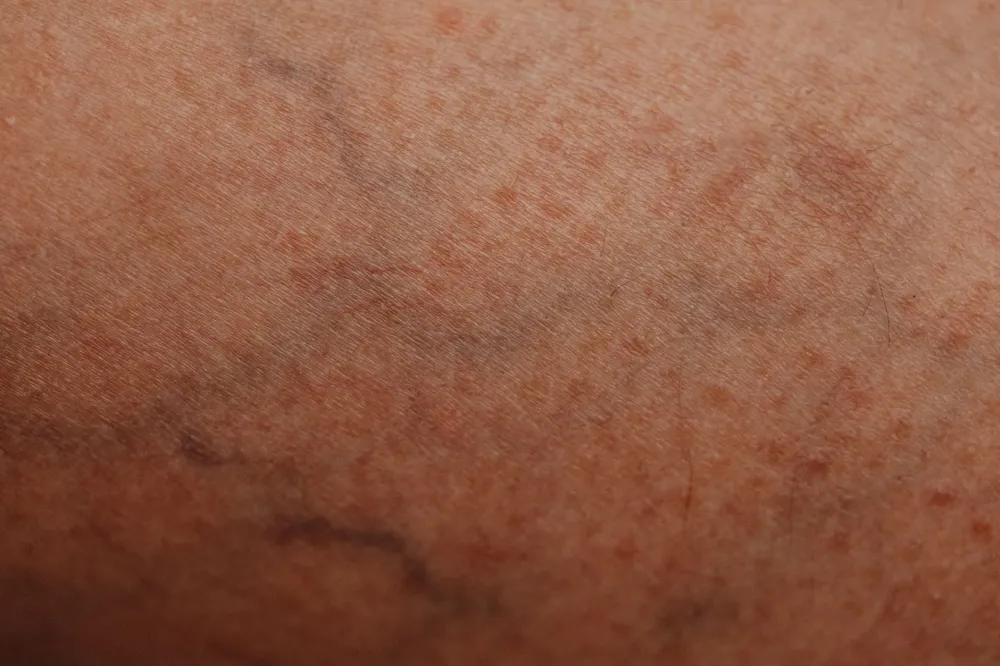
An ingrown hair happens when a hair curls back into the skin instead of growing straight out. The follicle, the tiny tube that holds each hair, gets blocked, and the surrounding skin responds with inflammation. The result is a firm, raised bump that looks red and irritated.
In the genital area, ingrown hairs are extremely common after shaving, waxing, or wearing tight clothing that causes friction. If you’ve recently groomed and notice a bump a day or two later, an ingrown hair is one of the most likely explanations.
Here’s what makes them recognizable:
- Visible hair beneath the skin: If you look closely with good light, you may see a curved or coiled hair just below the surface.
- Single, firm bump: Ingrown hairs usually appear one at a time, though you can get a few in the same area.
- Pus may develop: When infected, the bump can fill with yellow or white pus and look similar to a pimple. This is called folliculitis, an infection of the hair follicle.
- No tingling or burning: Ingrown hairs can be tender when pressed, but they don’t typically cause the nerve-related stinging that herpes sores do.
Most ingrown hairs resolve on their own within a week or two. Applying a warm, damp cloth two or three times a day may help bring the hair to the surface. Avoid picking or squeezing, since that can push bacteria deeper and cause infection.
Are Genital Pimples a Real Thing?
Yes, completely. The skin in the genital and pubic region has hair follicles and oil-producing glands just like anywhere else on your body, so it can absolutely break out. Genital pimples are triggered by blocked pores, friction, sweat, or hormonal changes, much like the pimples you’d get on your face or chest.
If you deal with adult acne elsewhere, the same underlying hormonal patterns may be contributing to breakouts in this area too.
What a genital pimple typically looks and feels like:
- Whitehead or pustule: A raised bump with a white or yellow tip filled with pus.
- Blackhead: A clogged pore that’s open at the surface, appearing dark.
- Mildly tender: May be sore when touched but not intensely painful.
- No accompanying illness: You won’t feel flu-like symptoms, fatigue, or swollen lymph nodes with a simple pimple.
The treatment approach is similar to pimples anywhere else. Keep the area clean and dry. Avoid picking. If you’re getting frequent breakouts in the pubic area, look at your laundry detergent, fabric softener, or tight synthetic underwear as possible irritants.
How Do Herpes Sores in the Genital Area Actually Look?
Genital herpes is caused by herpes simplex virus type 2 (HSV-2) in most cases, though herpes simplex virus type 1 (HSV-1), the same virus that causes cold sores on the lips, can also affect the genitals. According to the CDC, genital herpes is one of the most common sexually transmitted infections in the United States. About 1 in 8 people aged 14 to 49 carry HSV-2 in the most recent national survey data, and many more carry HSV-1.
Here’s the thing: many people with herpes never have obvious symptoms, or they have symptoms so mild they mistake them for something else entirely. That’s part of what makes it easy to overlook.
When symptoms do appear, they tend to have a distinctive pattern:
- Clusters of small blisters: Unlike a single ingrown hair or pimple, herpes typically produces groups of tiny fluid-filled blisters.
- Tingling or burning before blisters appear: Many people notice an itching, tingling, or burning sensation one to two days before the sores show up. This warning phase is called a prodrome.
- Blisters that break open: The blisters often rupture and leave shallow, painful ulcers that take one to three weeks to heal without treatment.
- Flu-like symptoms during the first outbreak: Fever, muscle aches, swollen lymph nodes in the groin, and fatigue are common during a primary (first) herpes infection.
- Recurrent outbreaks: Herpes is a virus that stays in the body. Outbreaks can recur, often triggered by stress, illness, or a weakened immune system.
The Mayo Clinic notes that herpes sores can appear on the genitals, buttocks, thighs, and even the lower back. They’re not always in the most obvious spot, which is another reason visual self-diagnosis is unreliable.
Side-by-Side: Ingrown Hair, Pimple, and Herpes Compared
A quick comparison can help you see the clearest differences at a glance. Keep in mind this table is a general guide, not a diagnosis tool. Only a healthcare provider can tell you for certain what you’re dealing with.
| Feature | Ingrown Hair | Pimple | Herpes Sore |
|---|---|---|---|
| Appearance | Firm bump, trapped hair | Whitehead or pustule | Cluster of tiny blisters |
| Number of bumps | Usually one or a few | One or scattered | Often multiple, grouped |
| Pain type | Tender when pressed | Mild tenderness | Burning, tingling, raw |
| Tingling before bump | No | No | Yes, common |
| Flu-like symptoms | No | No | Yes, in first outbreak |
| Link to grooming | Yes, often after shaving | Sometimes | No |
| Recurs regularly | Only if grooming continues | Can, with hormonal changes | Yes, lifelong virus |
| Needs STI testing | No | No | Yes, strongly recommended |
Common Myths Worth Clearing Up
There’s a lot of misinformation floating around about genital bumps, and some of it causes real harm by making people dismiss something serious or sending them into unnecessary panic.
Myth: If it doesn’t hurt much, it can’t be herpes. Not true. Many herpes outbreaks are mild or even completely painless. The absence of severe pain does not rule out herpes.
Myth: You can always see herpes sores. Also false. The CDC notes that herpes can be transmitted even when no visible sores are present, through a process called asymptomatic shedding. Routine STI panels usually do not include herpes, and the CDC does not recommend herpes blood tests for people without symptoms, so ask your provider directly if you are worried about an exposure.
Myth: Ingrown hairs only happen if you shave badly. Even careful shavers get ingrown hairs, especially in areas where the hair is naturally curly or coarse. Tight underwear and friction can cause them too, no razor required.
Myth: A pimple in the genital area always means poor hygiene. Absolutely not. Hormones, sweat, friction, and fabric choice all play a role. It’s a skin issue, not a cleanliness one.
When Should You See a Doctor?
Some bumps you can watch and wait. Others need professional attention sooner rather than later.
See a healthcare provider promptly if:
- Blisters appear in a cluster, especially with burning, tingling, or rawness.
- You have flu-like symptoms alongside a genital bump, including fever, fatigue, or swollen groin glands.
- A bump doesn’t heal within two to three weeks, regardless of what you think caused it.
- You’ve had unprotected sex recently and any new genital bump appears.
- The area becomes increasingly red, swollen, warm, or painful, which may signal a bacterial skin infection (cellulitis) that needs treatment.
- You’re not sure. There’s no award for guessing correctly on your own.
A doctor can swab an active sore and test it directly. Blood tests can also detect HSV-1 and HSV-2 antibodies, though they’re most accurate at least 12 to 16 weeks after possible exposure. Your provider will know which test makes the most sense for your situation.
For broader context on how skin symptoms can vary and what drives different conditions, the skin and beauty guide at Better Life Carez covers a wide range of related topics in plain language.
What Happens If Herpes Is Diagnosed?
A herpes diagnosis feels overwhelming at first for many people. But it’s worth keeping a clear head here. Herpes is a manageable, chronic condition, not a life-ending one.
Antiviral medications, like acyclovir or valacyclovir, are prescribed by a doctor and can reduce the frequency and severity of outbreaks. They can also lower the risk of passing the virus to a partner, though they don’t eliminate that risk entirely. Your doctor will walk you through options and dosing, since this isn’t a decision to make based on a blog post.
Stress is a commonly reported trigger for herpes recurrences, along with illness, friction, and menstruation. Practices that support your overall immune health, like regular sleep, balanced nutrition, and stress management, may help reduce how often outbreaks occur. The daily habits that support immunity article covers some of those foundations in practical, research-backed detail.

How to Reduce Your Risk of Ingrown Hairs and Pimples in the Area
For bumps that aren’t herpes, a few simple habits can make a real difference. These won’t prevent everything, but many people find they help.
For those prone to recurring pimples on the body generally, understanding how body acne works can offer useful parallels for managing breakouts in other areas too.
FAQ
The Bottom Line
Figuring out whether a genital bump is an ingrown hair, a pimple, or a herpes sore comes down to a few key clues: how many bumps there are, whether they blister and break open, whether you feel tingling or nerve-related discomfort before they appear, and whether you have any flu-like symptoms alongside them. Ingrown hairs are usually single firm bumps tied to recent grooming; pimples are whiteheads caused by blocked pores; herpes typically appears as clusters of painful blisters that may recur. When you’re genuinely unsure, the right move is always a visit to a healthcare provider. A quick swab or blood test gives you a real answer, and that’s worth a lot more than anxious guessing.
This article is for informational purposes only and is not a substitute for professional medical advice, diagnosis, or treatment. Always consult a qualified healthcare provider about your specific situation. If you experience severe or sudden symptoms, seek medical care immediately.

Skin and Beauty
Browse every related article on this topic in one place.