
If you run your tongue along the back of your lower front teeth and feel a rough, hard ridge, that is probably tartar. Plenty of websites promise you can scrape it off at home with baking soda, vinegar or a metal pick bought online. The honest answer is less exciting: once plaque has hardened into tartar, brushing and home remedies will not shift it, and trying to chip it off yourself can damage your teeth and gums.
The good news is that you have a lot of control over how much tartar forms in the first place. This guide explains what tartar is, why it matters, which home “hacks” to skip, what a dental cleaning involves and the daily habits that keep it from coming back.
What Is Tartar?
Tartar, also called dental calculus, is plaque that has hardened. Plaque is the soft, sticky film of bacteria that builds up on your teeth every day. If it is not cleaned away, minerals from your saliva (mainly calcium and phosphate) settle into it, and over a few days it starts to set into a hard, crusty deposit that bonds firmly to the tooth.
Tartar is usually yellow, cream or brown, although it can stain darker in people who smoke or drink a lot of tea, coffee or red wine. It tends to build up fastest in two places, because they sit next to the openings of the salivary glands:
- The inside (tongue side) of the lower front teeth
- The outside (cheek side) of the upper back teeth
Tartar that forms above the gum line is called supragingival calculus and you can often see it. Tartar that forms below the gum line, subgingival calculus, is usually darker, harder to spot and more closely linked to gum disease.
Why Tartar Matters
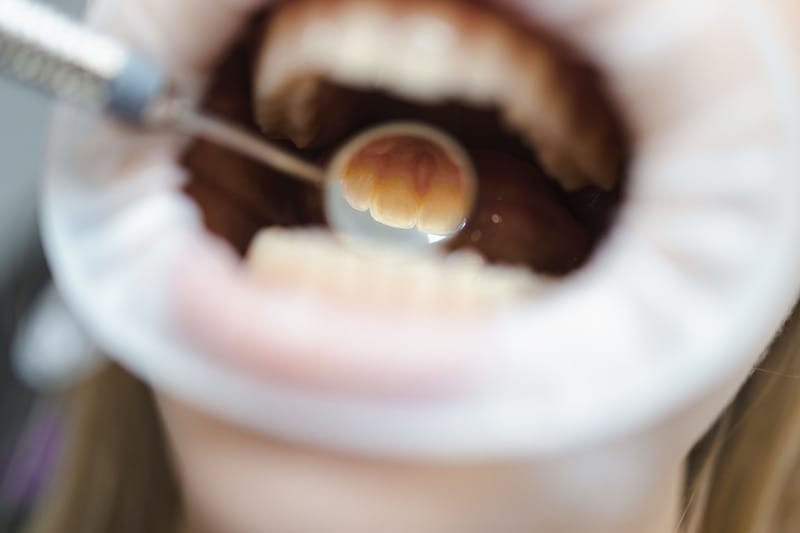
Tartar is not just a cosmetic problem. Its rough surface is a perfect place for more plaque to stick, and it is hard to clean around. That keeps the gums constantly irritated.
- Gingivitis. Plaque and tartar along the gum line cause red, swollen gums that bleed when you brush. At this stage the damage is reversible with good cleaning.
- Periodontitis. If inflammation continues, the gums can pull away from the teeth and form pockets. Over time, the bone and tissue holding the teeth in place can be lost, and teeth can loosen. The National Institute of Dental and Craniofacial Research describes gum disease as a major cause of tooth loss in adults.
- Tooth decay. Bacteria trapped next to tartar make acids that weaken enamel. Our guide on how to get rid of cavities explains how decay starts and how to stop it early.
- Bad breath and staining. The bacteria in plaque and tartar give off unpleasant smells, which is one reason a cleaning often helps with bad breath.
Can You Remove Tartar at Home?
No, not safely. You can remove plaque at home, and that is exactly what brushing and flossing do. But once plaque has hardened into tartar, it is bonded to the tooth too firmly for a toothbrush or floss to lift it. Cleveland Clinic is clear on this: tartar has to be removed by a dentist or dental hygienist, and trying to do it yourself can harm your teeth.
Here is what to make of the most common home “removal” tips:
| Home method | Does it remove tartar? | The problem |
|---|---|---|
| Metal scaler or pick bought online | Can chip some off | Easy to scratch enamel, cut gums, push tartar further under the gum and introduce infection. Dentists train for years to do this safely. |
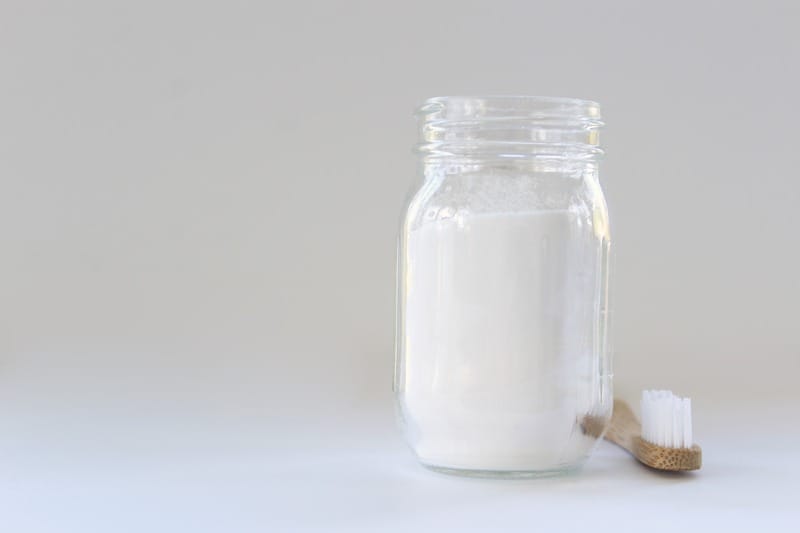
| Baking soda | No | A mild abrasive that helps lift plaque and surface stains, but it cannot dissolve hardened tartar. |
| Vinegar or lemon juice | No | Acids soften and wear away enamel, which is permanent damage. |
| Orange peel, strawberries, sesame seeds | No | No good evidence. Fruit acids and sugars can add to the problem. |
| Hydrogen peroxide rinses | No | Can irritate gums when used often or at high strength, and do not dissolve calculus. |
| Tartar-control toothpaste | No, but helps prevent new tartar | Slows new buildup. It does not remove tartar that is already there. |
What you can do at home is remove plaque thoroughly every day, before it has the chance to harden. That is where your effort pays off.
How Dentists Remove Tartar
Professional tartar removal is usually called a scale and polish or a professional cleaning. It is done by a dentist or dental hygienist and is normally quick and fairly comfortable.
- Check. Your gums are examined, and the depth of the space between gum and tooth may be measured to look for gum disease.
- Scaling. An ultrasonic scaler, which vibrates and sprays water, breaks tartar off the teeth. Hand instruments then clean the smaller areas.
- Polishing. A gritty paste on a soft rotating cup smooths the tooth surface and removes stains, making it harder for plaque to stick.
- Advice. You will usually get tips on the areas you tend to miss when brushing.
If there is tartar deep under the gums, you may need scaling and root planing, a deeper cleaning that smooths the root surfaces so the gums can reattach. This is often done with local anaesthetic, sometimes over two or more visits. Mild soreness and sensitivity for a few days afterwards are common.

How often should you have a cleaning?
There is no single right interval. The NHS says check-ups can range from every 3 months to every 2 years depending on how healthy your mouth is. People who build tartar quickly, smoke, have diabetes or have had gum disease usually need cleanings more often. Many people with healthy gums do well with a cleaning once or twice a year. Your dentist or hygienist is the best judge.
How to Prevent Tartar Buildup
Since tartar starts as plaque, preventing it comes down to removing plaque well and often.
- Brush twice a day for two minutes with a fluoride toothpaste. Angle the bristles toward the gum line, where plaque collects. Last thing at night is the most important time.
- Spit, do not rinse. The NHS advises spitting out toothpaste after brushing rather than rinsing with water, so the fluoride keeps working.
- Consider an electric toothbrush. Research suggests powered brushes, especially rotating-oscillating types, remove somewhat more plaque than manual brushes. A manual brush used well is still fine.
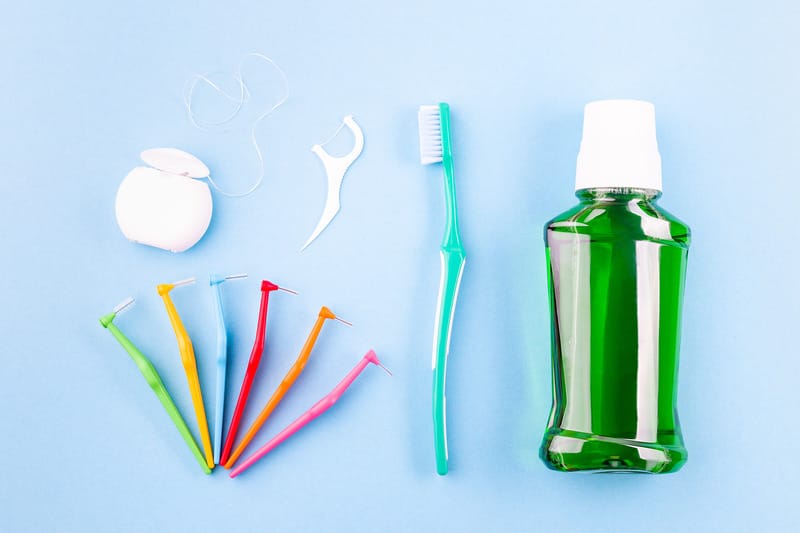
- Clean between your teeth once a day with floss or interdental brushes. A toothbrush cannot reach these gaps, and they are prime spots for tartar.
- Try a tartar-control toothpaste if you build tartar quickly. Ingredients such as pyrophosphates or zinc salts slow the hardening of new plaque. Some people find them make teeth a little more sensitive.
- Cut down on sugary snacks and drinks, especially between meals. Plaque bacteria feed on sugar.
- Do not smoke. Smoking is linked to more tartar, more staining and a much higher risk of gum disease, and it can hide the warning sign of bleeding gums.
- Keep up regular dental visits so any tartar is removed before it causes damage.
Tartar and Other Dental Problems
Tartar on its own does not usually hurt. If you have pain, it points to something else, such as decay, a cracked tooth or an infection. Our guide to toothache relief covers what you can do while you wait to be seen, and pain at the back of the jaw may be linked to wisdom teeth, which are hard to clean and often collect plaque and tartar.
Related reading: Mold Exposure Symptoms: What Damp and Mold Can Really Do to Your Health.
FAQ
How quickly does plaque turn into tartar?
Plaque can start to harden within a few days if it is not removed. That is why brushing twice daily and cleaning between teeth every day matters more than an occasional deep clean.
Does removing tartar damage your enamel?
Professional scaling done by a dentist or hygienist does not harm healthy enamel. Teeth may feel more sensitive for a few days, often because areas that were covered by tartar are now exposed.
Can baking soda remove tartar?
No. Baking soda can help lift plaque and light surface stains, but it cannot dissolve or scrub off hardened tartar.
Why do my teeth feel loose or look gappy after tartar removal?
Heavy tartar can fill the spaces left by gums that have already shrunk back. Once it is removed, those gaps show. The cleaning did not cause the problem; it revealed it, and your gums should firm up as inflammation settles.
Is a tartar-control toothpaste worth it?
It can help if you tend to build tartar quickly, because it slows new buildup. It will not remove tartar you already have, so it works alongside good brushing and regular cleanings.
The Bottom Line
You cannot safely remove hardened tartar at home. Skip the metal picks, vinegar and DIY scrubs, and book a professional cleaning instead. Then focus on what really works: fluoride toothpaste twice a day, cleaning between your teeth daily, less sugar, no smoking and regular dental visits. Done consistently, these habits stop most plaque from ever becoming tartar. Find more guides in our ear, nose, throat and dental hub.
This article is for general information and is not a substitute for advice from your dentist.
Sources
- Cleveland Clinic: Tartar on Teeth (Dental Calculus)
- MedlinePlus: Plaque and Tartar on Teeth
- National Institute of Dental and Craniofacial Research: Periodontal (Gum) Disease
- NHS: How to Keep Your Teeth Clean
- NHS: Dental Check-ups
- Cleveland Clinic: Scaling and Root Planing
Medical disclaimer: This article is for general information only and is not a substitute for advice, diagnosis or treatment from a qualified health professional. If your symptoms are severe, sudden or getting worse, contact a doctor or emergency services.

Ear, Nose, Throat and Dental
Browse every related article on this topic in one place.