
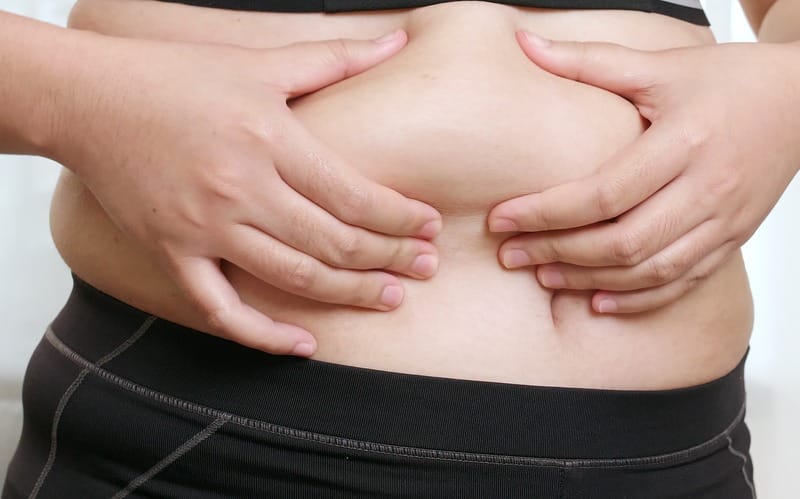
A tummy tuck is one of the most common cosmetic operations, and one of the most misunderstood. It is often thought of as a shortcut to weight loss, when in fact it is designed for a very specific problem: loose, overstretched skin and weakened abdominal muscles that diet and exercise cannot fix, usually after pregnancy or major weight loss.
This guide explains what the surgery does and does not do, the different types, who tends to be a good candidate, what recovery is really like, the risks, and the alternatives worth considering first.
What Is a Tummy Tuck?
A tummy tuck, medically called abdominoplasty, is an operation that reshapes the front of the abdomen. Depending on the type, the surgeon:
- Removes excess skin and some of the fat beneath it, mainly from the lower tummy.
- Tightens the abdominal wall by stitching together the two vertical bands of the six-pack muscle (the rectus abdominis) when they have pulled apart. This separation is called diastasis recti and is very common after pregnancy.
- Repositions the belly button so it sits naturally on the newly tightened skin.
What a tummy tuck does not do
- It is not a weight loss operation. Most people lose only a small amount of weight from the skin and fat removed. If weight loss is the goal, bariatric surgery is a different conversation, covered in our guide to gastric sleeve vs gastric bypass.
- It does not remove fat deep inside the abdomen around the organs (visceral fat).
- It does not remove stretch marks everywhere. Marks on the skin that is cut away go with it, but marks elsewhere stay.
- It does not stop future weight gain or pregnancy from stretching the area again.
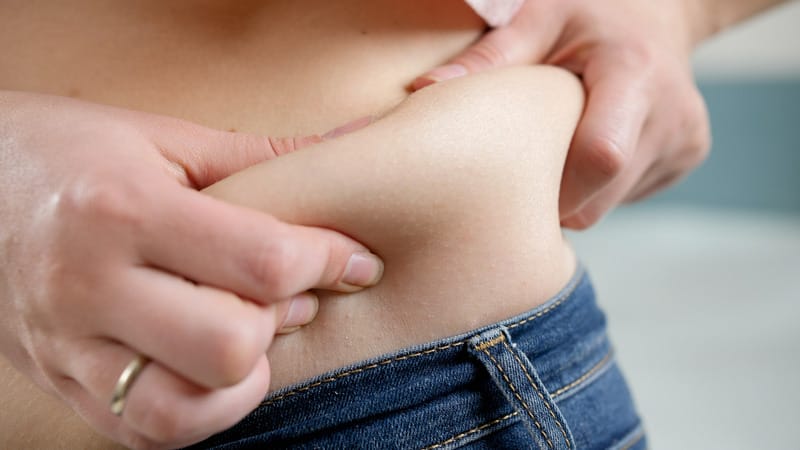
Types of Tummy Tuck
The right type depends on how much loose skin there is and where it sits.
| Type | What it treats | Scar |
|---|---|---|
| Full (standard) | Loose skin above and below the belly button, muscle separation | Low hip-to-hip scar, plus a scar around the belly button |
| Mini | A small amount of loose skin below the belly button only | Shorter low scar, belly button usually not moved |
| Extended | Loose skin that wraps onto the hips and flanks | Longer scar running around toward the back |
| Fleur-de-lis | Large amounts of loose skin both vertically and horizontally, usually after massive weight loss | Low horizontal scar plus a vertical scar up the middle |
A tummy tuck is often combined with liposuction to the flanks, or with other procedures such as a breast lift. Combining operations lengthens surgery and can add to the risk, so it is worth discussing carefully.
Who Is a Good Candidate?
According to the American Society of Plastic Surgeons, good candidates are generally people who:
- Are at a stable weight they can maintain, ideally close to their goal. Losing a lot of weight afterwards can leave new loose skin.
- Have finished having children. A later pregnancy can stretch the skin and separate the muscles again.
- Do not smoke, or are willing to stop for several weeks before and after. Nicotine reduces blood flow to the skin and greatly raises the chance of wound healing problems.
- Are in good general health, with conditions such as diabetes or high blood pressure well controlled.
- Have realistic expectations about the result and the scar.
Fat that pinches easily but sits on firm, elastic skin may respond better to weight loss or liposuction than to a tummy tuck. If you are losing weight on medication, our article on protecting muscle on GLP-1 treatment is worth reading before planning surgery.

What Happens During the Procedure
A tummy tuck is done under general anaesthetic and usually takes about 2 to 4 hours. In a full tummy tuck:
- The surgeon makes a horizontal cut low on the abdomen, usually just above the pubic hairline, and a second cut around the belly button.
- The skin and fat are lifted off the abdominal wall up toward the ribs.
- Separated muscles are stitched together down the midline to tighten the wall.
- The skin is pulled down, the excess is trimmed, and a new opening is made for the belly button.
- The wounds are closed, and thin drains may be placed to remove fluid that collects under the skin.
Some people go home the same day, while others stay in hospital for one or more nights. The NHS notes that most people stay a few nights. Tummy tucks are rarely available on the NHS for cosmetic reasons.
Recovery Timeline
Recovery takes longer than many people expect, mainly because the muscle repair needs time to heal.
- First days: You will be sore and tight. You will probably walk slightly bent forward for a week or so to avoid strain on the wound. Short walks around the house are encouraged from the start to lower the risk of blood clots.
- Drains: If used, they usually come out within 1 to 2 weeks, once the fluid slows down.
- Compression garment: Usually worn day and night for several weeks to control swelling and support the tissues.
- Work: Many people with desk jobs return after about 2 to 4 weeks. The NHS suggests allowing 4 to 6 weeks off work and normal activities, and longer for physical jobs.
- Driving: Usually not for a few weeks, until you can brake suddenly and twist without pain.
- Exercise: Gentle walking early on, but no heavy lifting or strenuous exercise, including core work, for at least 6 weeks or until your surgeon clears you.
- Swelling: Most settles within a few months, though some can linger for up to a year.
Risks and Complications
Abdominoplasty is major surgery, and its complication rate is higher than many other cosmetic procedures, particularly when combined with other operations or in people who smoke or have a high BMI. Risks include:
- Seroma: a collection of fluid under the skin, one of the most common problems. It may need draining with a needle, sometimes more than once.
- Wound healing problems: parts of the wound can open or the skin edge can break down, more often in smokers and people with diabetes.
- Scarring: scars can become thick, raised or wide. “Dog ears”, small bulges of skin at the ends of the scar, sometimes need a minor revision.
- Numbness of the lower tummy skin is normal and can last months or be permanent in part.
- Blood clots in the legs or lungs, which is why early walking and sometimes blood-thinning injections are used.
- Infection, bleeding and a collection of blood under the skin (haematoma).
- Risks of the anaesthetic, and a belly button that heals in an unexpected shape.
Choose a surgeon registered with a recognised plastic surgery body, ask how often they do the procedure, and be wary of cheap packages abroad that leave you without follow-up care.

Results and the Scar
Once swelling settles, the result is a flatter, firmer lower abdomen with a tighter waist. The results can last for many years if your weight stays stable, although normal ageing and gravity still affect the skin over time.
The scar is permanent. It usually sits low enough to hide under underwear or a swimsuit, is red or pink for the first months, and gradually fades and flattens over 12 to 18 months. It rarely disappears completely.
Alternatives to a Tummy Tuck
- Exercise and physiotherapy for diastasis recti. Many people with mild to moderate separation improve with targeted core rehabilitation from a physiotherapist, particularly a women’s health or pelvic health physio. It is worth trying before considering surgery.
- Weight loss. If most of the bulge is fat rather than loose skin, gradual weight loss will change the shape more safely. The honest approach in our love handles guide applies here too.
- Liposuction removes fat but not skin, so it suits people with good skin elasticity and no muscle separation.
- Non-surgical fat reduction such as fat freezing can shrink small, pinchable areas of fat but does nothing for loose skin or separated muscles.
Related reading: How to Get Rid of a Pimple Fast: What Works and What Makes It Worse.
FAQ
How much weight do you lose with a tummy tuck?
Usually only a little, from the skin and fat removed. A tummy tuck changes shape, not overall weight, and works best for people already near their goal weight.
Can I have a tummy tuck after a C-section?
Yes. Many people have one after pregnancy, and the surgeon can often remove the old C-section scar within the new one. Most surgeons advise waiting at least 6 to 12 months after giving birth and after you have finished breastfeeding.
What happens if I get pregnant after a tummy tuck?
Pregnancy is generally safe after a tummy tuck, but it is likely to stretch the skin and separate the muscles again, undoing part of the result.
Does a tummy tuck fix a hernia?
A surgeon can sometimes repair an umbilical or small abdominal wall hernia during the same operation, but this needs to be planned in advance and is a separate medical issue to discuss.
How painful is the recovery?
The first week is the hardest, with tightness and soreness from the muscle repair. Prescribed pain relief usually controls it, and discomfort eases steadily over the following weeks.
The Bottom Line
A tummy tuck removes loose skin and some fat from the lower abdomen and can repair separated muscles, giving a flatter shape that diet and exercise alone often cannot. It is not a weight loss procedure, it leaves a permanent low scar, and recovery takes several weeks with real risks such as seroma and wound problems. You are most likely to be happy with the result if your weight is stable, you have finished having children, you do not smoke, and you have tried physiotherapy for muscle separation first.
This article is for general information and is not a substitute for advice from your doctor or a qualified plastic surgeon.
Sources
- NHS: Tummy Tuck (Abdominoplasty)
- Cleveland Clinic: Tummy Tuck (Abdominoplasty)
- American Society of Plastic Surgeons: Tummy Tuck Candidates
- American Society of Plastic Surgeons: Tummy Tuck Procedure Steps
- Cleveland Clinic: Diastasis Recti
Medical disclaimer: This article is for general information only and is not a substitute for advice, diagnosis or treatment from a qualified health professional. If your symptoms are severe, sudden or getting worse, contact a doctor or emergency services.

Skin and Beauty
Browse every related article on this topic in one place.