
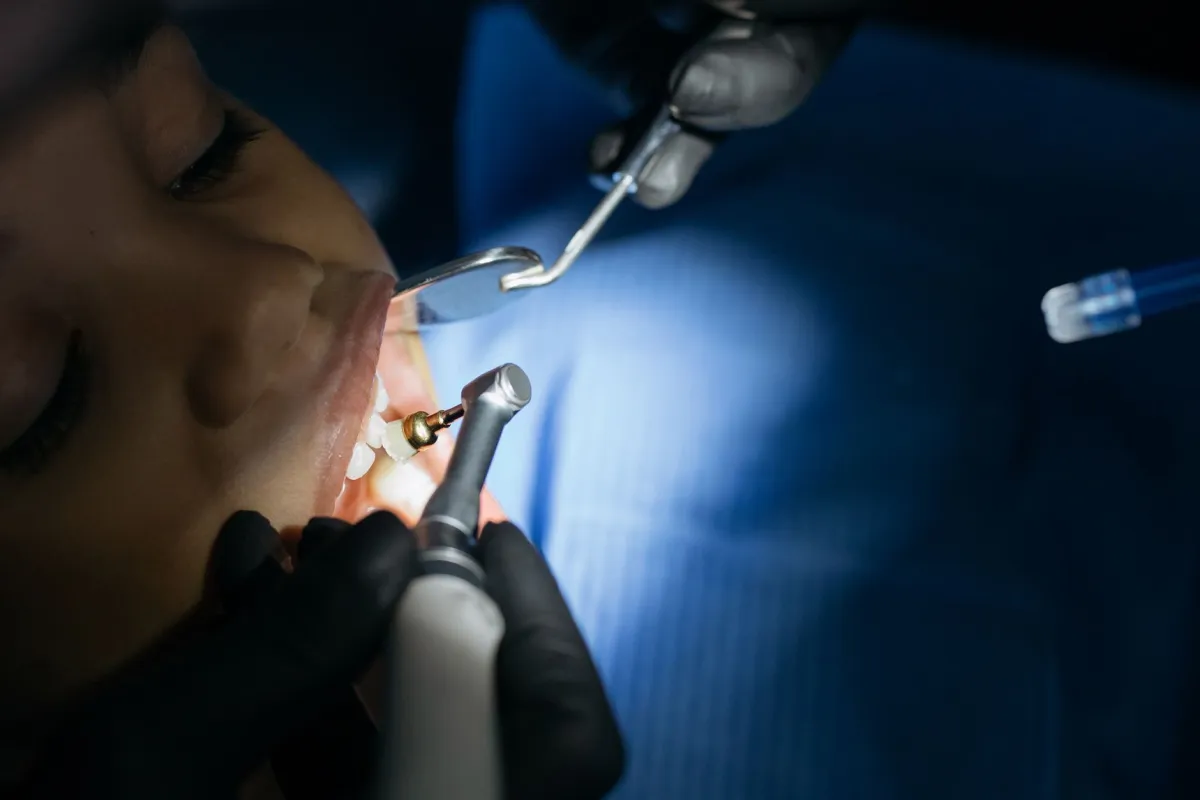
You’ve probably heard that baby teeth are just placeholders for adult ones. Turns out, they’re also a kind of biological time capsule, quietly recording chemical exposures during the earliest years of a child’s life. Researchers are starting to read that record very carefully.
- What Did the UT San Antonio Study Find?
- Why Study Teeth to Understand Brain Development?
- What We Know About Environmental Factors and Autism
- Myth vs. Fact: What the Research Does and Doesn't Support
- What This Means for Parents Right Now
- How Is Autism Actually Diagnosed?
- The Bigger Picture: Environmental Health Research and Kids
- What Should Families Actually Watch For?
- FAQ
- The Bottom Line
What Did the UT San Antonio Study Find?
Researchers at UT Health San Antonio recently reported finding elevated levels of certain toxicants in the teeth of children diagnosed with autism spectrum disorder (ASD), a term describing a range of conditions that affect communication, behavior, and social interaction. The study used baby teeth as biological markers to look back at what children may have been exposed to during critical windows of brain development.
Baby teeth are useful for this kind of research because they form layers over time, much like tree rings. Each layer carries chemical information from the period when it was laid down. A single shed tooth can give researchers a timeline of what a child was exposed to in the womb and in the earliest months and years of life.
Here’s what matters: the researchers found an association between higher toxicant levels and autism diagnoses. That’s not the same as proving that toxicant exposure causes autism. Association means two things tend to appear together; it doesn’t tell us which came first or whether one caused the other. The researchers themselves frame this as a promising lead for further investigation, not a definitive answer.

Why Study Teeth to Understand Brain Development?
Teeth are one of the few tissues in the body that preserve a detailed chemical record of early life, making them genuinely valuable for neurodevelopmental research. Unlike blood or urine samples, which only reflect what’s in the body at the moment of collection, teeth encode a historical record. That’s powerful for researchers trying to understand what happened during the first trimester or first year of life, periods that may be especially sensitive to environmental influences on the brain.
The chemicals researchers look for in tooth studies often include heavy metals like lead and manganese, as well as other environmental contaminants. Toxicants is the term for chemicals that can be harmful to the body, particularly in high amounts or during sensitive developmental windows.
This approach isn’t entirely new. Scientists have been mining baby teeth for environmental clues for years. What makes the UT Health San Antonio work notable is the specific focus on autism and the potential to identify exposure patterns that might differ between children with and without ASD diagnoses. The hope is that understanding early exposures could eventually inform prevention strategies, though researchers are still far from translating these findings into clinical recommendations.
What We Know About Environmental Factors and Autism
Environmental factors in autism research is a broad and still-evolving area of science. The scientific consensus, reflected in guidance from organizations like the CDC and the Mayo Clinic, is that autism likely results from a combination of genetic predispositions and environmental influences, and that no single factor explains all cases.
Factors that research has associated with increased autism risk include advanced parental age at conception, certain prenatal infections, extreme prematurity, and some prenatal exposures to air pollution or heavy metals. None of these are considered direct causes in the way a bacterial infection causes strep throat. They’re statistical associations found in large population studies, which is a meaningfully different thing.
Here’s the thing: association studies are genuinely valuable. They help scientists figure out where to look next. The UT Health San Antonio tooth study fits squarely in this category. It adds a piece to a large, complicated puzzle.

Myth vs. Fact: What the Research Does and Doesn’t Support
Studies like this one tend to generate headlines that outrun the actual findings. Here’s a clear-eyed look at what the evidence actually supports.
| Common Claim | What the Evidence Actually Says |
|---|---|
| Toxicant exposure causes autism | Not proven. Research finds associations, not cause-and-effect |
| Autism has a single identifiable cause | No. Current evidence points to a mix of genetic and environmental factors |
| Higher toxicant levels mean a child will develop ASD | Not supported. Population-level patterns don’t predict individual outcomes |
| Avoiding all environmental chemicals prevents autism | Unsupported. Reducing unnecessary exposures is sensible, but it’s not a guaranteed prevention strategy |
| Tooth mineral analysis can diagnose autism | No. Tooth studies are research tools, not diagnostic tests |
The bigger picture is that neurodevelopmental research is making genuine progress, and studies like the UT San Antonio one are part of that. Progress in science is usually slow, incremental, and full of caveats. That’s not a flaw; it’s how reliable knowledge gets built.
What This Means for Parents Right Now
If you’re reading about this study, the most honest answer to “what should I do?” is: don’t panic, but do stay informed. Research like this is meant to guide future policy and public health strategies, not to send individual families into a spiral of anxiety.
That said, there are genuinely sensible steps that child health experts broadly recommend for reducing unnecessary chemical exposures during pregnancy and early childhood. These aren’t specific responses to this study; they’re reasonable general practices backed by years of pediatric guidance.

How Is Autism Actually Diagnosed?
Autism spectrum disorder is diagnosed through behavioral and developmental evaluation, not through any blood test, brain scan, or tooth analysis. There is currently no single biological marker that can definitively diagnose ASD. Diagnosis involves a team approach: pediatricians, psychologists, speech-language pathologists, and other specialists observing and evaluating a child’s communication, social interaction, and behavior patterns across different settings.
The American Academy of Pediatrics recommends autism-specific screening at 18 and 24 months as part of routine well-child care, in addition to general developmental surveillance at every visit. Early identification matters because early intervention, including speech therapy, occupational therapy, and behavioral support, is associated with significantly better long-term outcomes.
If you have concerns about your child’s development at any age, talk to your pediatrician. Don’t wait for a single news story to prompt that conversation. Developmental concerns deserve professional attention, and your child’s doctor is the most qualified person to assess them. For a broader look at how everyday health habits affect children and families, the everyday health and wellness guide at Better Life Carez covers evidence-based approaches to keeping the whole family well.
The Bigger Picture: Environmental Health Research and Kids
The UT Health San Antonio tooth study is part of a broader and genuinely exciting shift in how researchers think about children’s health. Scientists are increasingly interested in what’s sometimes called the “exposome,” meaning the total collection of environmental exposures a person accumulates from conception onward, and how those exposures interact with genetic factors to shape health outcomes.
This kind of research is complex, expensive, and slow-moving. But it’s also producing real insights. We now know, for example, that prenatal exposure to air pollution is associated with cognitive differences in children. We know that lead exposure in early childhood has measurable effects on brain development even at levels previously considered safe. And we’re learning more every year about how the timing of an exposure matters as much as the amount.
None of this means the modern world is a minefield for children. Most kids are healthy and resilient. But it does mean that reducing unnecessary chemical exposures, especially during pregnancy and early childhood, is a reasonable, science-backed priority, and that research like the UT San Antonio tooth study is doing meaningful work in helping us understand where to focus those efforts.
Staying current with science like this, while keeping a clear head about what it actually proves versus what it suggests, is a skill worth developing as a parent or caregiver. For more on how research translates into real-world health decisions, the explanation of how clinical research networks affect everyday care is a helpful read.

What Should Families Actually Watch For?
Developmental red flags that warrant a prompt conversation with your pediatrician include: no babbling or pointing by 12 months, no single words by 16 months, no two-word phrases by 24 months, any loss of previously acquired language or social skills at any age, and limited eye contact or social responsiveness. These are not diagnostic in themselves, but they’re worth raising with a doctor sooner rather than later.
For children already diagnosed with ASD, research consistently shows that consistent, individualized therapeutic support, a structured and predictable home environment, and strong family advocacy produce the best outcomes. The science on early intervention is probably the most actionable takeaway from the entire field of autism research, including from studies like this one.
And for parents who simply want to support healthy brain development in all children, the basics hold up remarkably well: good prenatal nutrition, avoiding tobacco and alcohol during pregnancy, breastfeeding where possible, minimizing unnecessary chemical exposures, maintaining a safe home environment, and keeping up with well-child visits. None of these are flashy, but the evidence behind them is solid. You can also explore how screen time and smartphone use may affect kids’ health for another angle on the environmental factors shaping child development today.
FAQ
The Bottom Line
A new study from UT Health San Antonio suggests that baby teeth of children with autism may contain elevated levels of certain toxicants, a finding that adds to a growing body of research on how early environmental exposures may relate to brain development. This is promising science worth watching, but it doesn’t change what we currently know about autism diagnosis, which is still based on behavioral evaluation, or about its complex, multi-factor origins. The most useful thing most families can do is reduce unnecessary chemical exposures as a general practice, keep up with routine pediatric screenings, and talk to a doctor promptly if developmental concerns arise. Early support, whatever a child’s needs turn out to be, consistently makes a real difference.
This article is for informational purposes only and is not a substitute for professional medical advice, diagnosis, or treatment. Always consult a qualified healthcare provider about your specific situation. If you experience severe or sudden symptoms, seek medical care immediately.
Keep exploring
- Smartphones & Kids' Eating Habits: What Parents Should Know
- Daily Habits That Genuinely Support Immunity (Science-Backed)
- Everyday Health and Wellness Guide
This article is part of our Everyday Health and Wellness guide, where you can browse every related topic in one place.